Thin-Strut Bioresorbable Vascular Scaffold Shows Promise
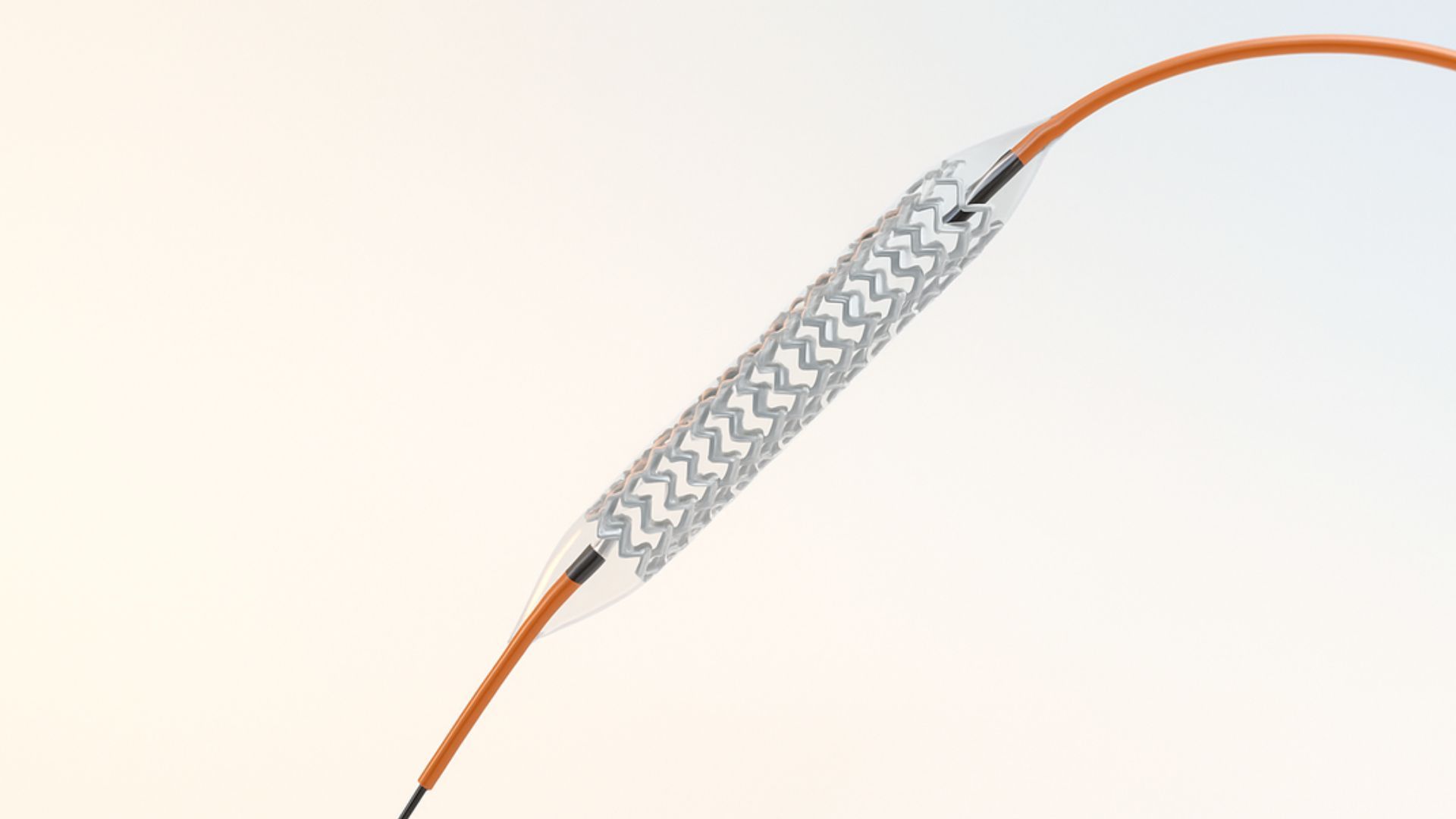
The MeRes100 thin-strut sirolimus-eluting bioresorbable scaffold, developed by Meril Life Sciences,
demonstrated zero scaffold thrombosis and very low major adverse cardiac event rates for up to three years,
according to two recent clinical trials.
A next-generation bioresorbable scaffold (BRS) system called MeRes 100, developed by Meril Life Sciences, is
thinner than first-generation similar devices, with a low strut thickness of 100 microns. Two recent clinical studies
have shown that this feature, along with some other innovations, have made it more successful than
first-generation similar devices, and more important, safe and effective.
First-generation devices were thick, took a long time to resorb, and easily fractured, according to
ProfessorAlexandre Abizaid, chief of coronary interventions at Institute Dante Pazzanese de Cardiologia in Sao
Paulo, Brazil, and principal investigator of the MeRes-1 Extend study. “The first-generation BRS device wasn't so
successful because these devices were bulky and the absorption time was perhaps a little bit too long—close to
four years,” he said in an interview with MD+DI.
“I think MeRes is a good example of a second-generation device because it is thinner,” he continued. “Because it
is thinner, you're going to have a less thrombogenic device.”
The device features radiopaque markers at its edges to make it more visible and therefor easier for the operator
to deploy, Abizaid said. In addition, “MeRes 100 has a hybrid cell design, which is a closed cell at the edges and
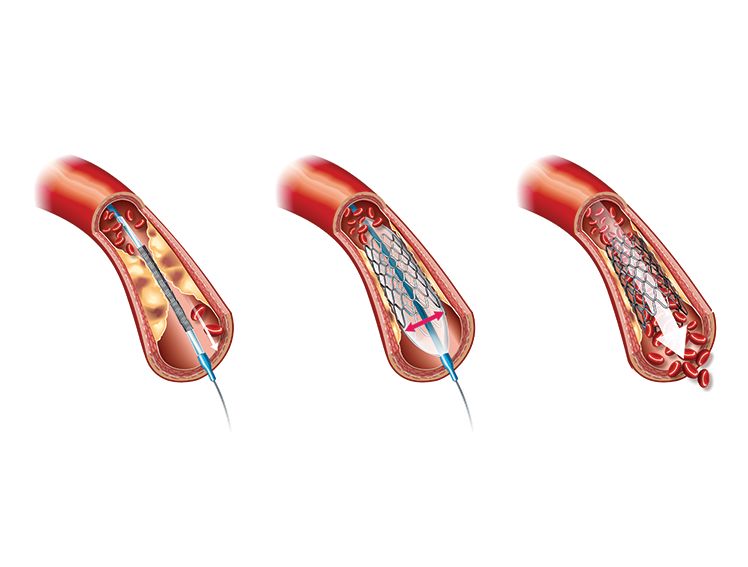
open cells in the middle. Because of the design, when we deploy the stent and inflate the balloon, there will be
less injury at the edges of the stent,” he explained.
He said that the MeRes 100 is designed to resorb naturally within two to three years, compared with the almost
four years required by first-generation devices.
The two recent clinical studies that have borne out the safety and efficacy of the MeRes 100 are the MeRes-1, the
first in-human study with the device, and MeRes-1 Extend. MeRes-1 used multimodality imaging and concluded
that at three years, the cumulative MACE endpoint, which includes cardiac death, myocardial infarction, and
ischemia-driven target lesion revascularization, is 1.87%. This is better than data reported from first-generation
BRS in-human trials with double-digit MACE rates.
MeRes-1 Extend is a global study that enrolled patients from Brazil, Europe, and Asia, and its results were
consistent with the MeRes-1, with a MACE endpoint of 1.61% at two years.
“The most attractive indication for MeRes 100 is for younger patients with severe coronary disease,” said Abizaid.
He explained that these patients are more likely to have catheterization lab procedures several times in their lives,
and that if they have multiple metallic stents that do not resorb, it makes it difficult to find space to place new
ones. Resorbable devices will eliminate that difficulty.
The company is currently designing a clinical study to prepare for FDA approval in the United States, which could
take at least a year to complete. MeRes has received the CE mark and is commercially available in the EU.