What Is a Tissue Heart Valve? Everything You Need to Know
Introduction
If you or a loved one has been advised heart valve replacement, you’ve likely come across the term tissue heart valve. At first glance, it can sound complex or even intimidating. In reality, tissue valves are among the most widely used and well-understood options in modern cardiac care.
These valves are designed to restore normal blood flow when your natural heart valve no longer functions properly. What makes them unique is their biological origin and how closely they mimic natural valve behaviour.
Understanding how tissue valves work, who they are best suited for, and what to expect can help you make a more informed and confident decision.
How Tissue Heart Valves Are Designed and Sourced
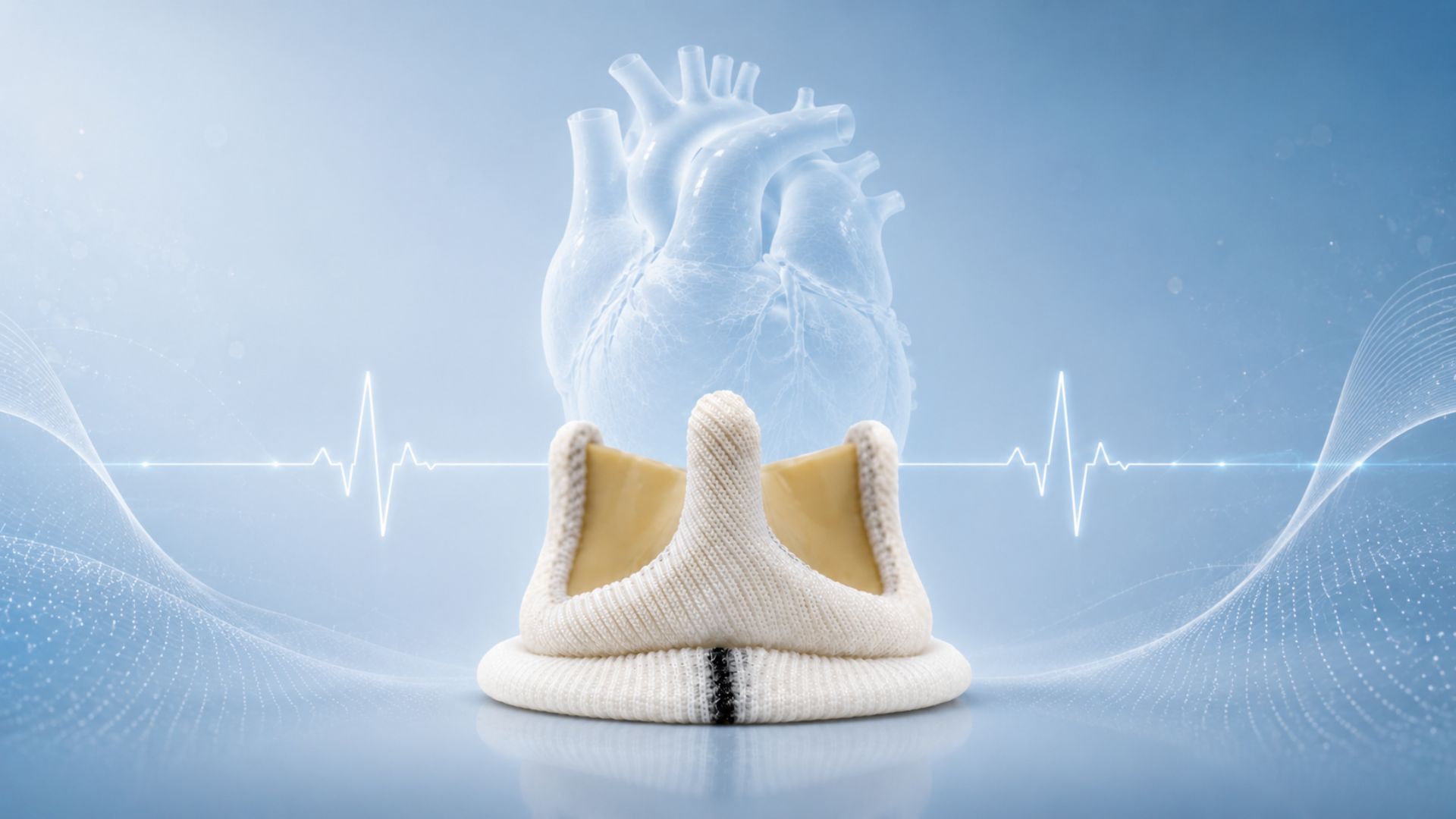
Tissue heart valves, also called bioprosthetic valves, are made from biological materials. These are typically sourced from:
Animal tissue (xenografts)
It is usually derived from animal tissue, usually made of parts of a pig (porcine) or cow (bovine) tissue.
Human donor tissue (homografts)
It is less commonly used, often in specific clinical situations. The tissue is carefully treated and preserved to:
It prevents immune rejection
Improve durability
Maintain flexibility similar to natural valves
The final valve is mounted on a supporting frame, allowing it to open and close efficiently with each heartbeat.
From a functional standpoint, tissue valves closely replicate the behaviour of your natural valve; this is one of their biggest advantages.
Who Is an Ideal Candidate for a Tissue Valve?
Not every patient receives the same type of valve. The choice depends on multiple factors.
You may be a suitable candidate for a tissue valve if you:
Are over 60–65 years of age
Want to avoid lifelong blood thinners
Have a higher risk of bleeding complications
Prefer a more natural blood flow pattern
Lead a lifestyle where anticoagulation management is difficult
In India, where routine monitoring of blood thinners may not always be consistent across regions, tissue valves are often preferred for certain patient groups.
However, younger patients may also receive tissue valves depending on individual circumstances and preferences.
Tissue vs Mechanical Valves: Key Trade-Offs Patients Should Understand
Choosing between a tissue valve and a mechanical valve is one of the most important decisions in valve replacement.
Feature | Tissue Valve | Mechanical Valve |
Material | Biological tissue | Metal / carbon |
Lifespan | 10–20 years | 20+ years |
Blood thinners | Usually not long-term | Required lifelong |
Noise | Silent | May produce a clicking sound |
Reoperation risk | Higher over time | Lower |
Key Points:
Tissue valves offer comfort and convenience
Mechanical valves offer long-term durability
According to the American Heart Association, tissue valves are increasingly preferred in older adults because they require less anticoagulation therapy.[1] It is reasonable to use a bioprosthetic valve in patients >65 years of age to avoid the risks of anticoagulation, as the valve's durability exceeds the expected years of life.
Longevity of Tissue Valves: What Affects Their Lifespan?
Tissue valves do not last forever, but their durability has improved significantly over time.
Most tissue valves last:
10–15 years on average
Up to 15–20 years in older patients
Factors influencing lifespan:
Age
Calcium metabolism
Lifestyle factors
Underlying medical conditions
A study highlights that structural valve deterioration is common in younger individuals due to higher metabolic activity.[3] It means that younger patients may require earlier replacement than older individuals.
Surgical vs Transcatheter Replacement: How Tissue Valves Are Implanted
Tissue valves can be implanted using two main approaches:
1. Surgical Aortic Valve Replacement (SAVR)
It is placed in a traditional open-heart surgery
It is better suited for younger or lower-risk patients
It provides long-term durability
2. Transcatheter Aortic Valve Replacement (TAVR)
Minimally invasive procedure
Inserted via a catheter (usually through the leg)
Ideal for older or high-risk patients
According to the Cleveland Clinic, TAVR has expanded access to valve replacement for patients who were previously considered too high-risk for surgery.[2]
Key benefits of TAVR:
Shorter hospital stay
Faster recovery
Reduced surgical trauma
Living without Long-Term Blood Thinners: A Major Advantage Explained
One of the most significant advantages of tissue valves is that they typically do not require lifelong anticoagulation therapy.
Why this matters:
Blood thinners (like warfarin) can:
Increase risk of bleeding
Require frequent blood tests
Interact with food and medications
With tissue valves:
Anticoagulants may be needed only for a short period post-surgery
Long-term management is simpler
For many patients, especially older adults, this translates into:
Greater lifestyle freedom
Fewer hospital visits
Reduced medication burden
What Happens When a Tissue Valve Wears Out?
Over time, tissue valves can undergo structural valve deterioration (SVD).
Common changes include:
Thickening or stiffening of valve leaflets
Calcium buildup
Reduced ability to open and close properly
When this happens:
You may need:
Valve-in-valve TAVR (minimally invasive replacement inside the old valve)
Or repeat surgery in some cases
The development of valve-in-valve procedures has significantly reduced the burden of repeat surgeries, especially in elderly patients.
Recovery and Rehabilitation After Tissue Valve Replacement
Recovering from a tissue valve replacement varies depending on the procedure used.
After open-heart surgery:
Hospital stay: 5–7 days
Full recovery: 6–12 weeks
After TAVR:
Hospital stay: 1–3 days
Recovery: 1–2 weeks
Rehabilitation includes:
Gradual increase in physical activity
Cardiac rehabilitation programs
Monitoring blood pressure and heart function
Patients are usually encouraged to:
Walk regularly
Follow a heart-healthy diet
Avoid heavy lifting during early recovery
Risks and Limitations Patients Should Be Aware Of
While tissue valves are safe and effective, there are some risks to consider:
Limited lifespan compared to mechanical valves
Possibility of reoperation
Risk of infection
Potential for valve degeneration over time
It is important to weigh these risks against the benefits, especially in younger patients.
Innovations in Tissue Valve Technology: What’s Changing Today?
Advancements in medical technology are continuously improving the performance of tissue heart valves.
Key innovations include:
It usually has an anti-calcification treatment to extend valve life
Improved valve design for better blood flow
Next-generation TAVR systems with higher precision
Enhanced durability testing
In India, increasing access to minimally invasive procedures and improved device availability is transforming patient outcomes.
Conclusion
Tissue heart valves have become a widely accepted solution for treating valve disease, especially among older adults and those seeking a simpler post-surgery lifestyle.
They offer a balance between functionality and convenience—mimicking natural valve behaviour while reducing the need for lifelong medication.
However, they are not a one-size-fits-all solution. The right choice depends on your age, health condition, and long-term expectations.
A detailed discussion with your cardiologist remains the most important step in making an informed decision.