

























Why Vector-Borne Diseases Increase During the Monsoon
Introduction
The monsoon brings welcome relief from the summer heat, but it can also create favourable conditions for mosquitoes and other disease-carrying vectors. Rainwater may collect in coolers, buckets, tyres, flowerpot trays, roof gutters, construction materials and poorly drained outdoor areas.
Rain itself does not cause dengue, malaria or other vector-borne diseases. Transmission depends on several connected factors, including the presence of infected vectors, local environmental conditions, water storage practices, sanitation and exposure to mosquito bites. Understanding these factors can help you take practical action before illness spreads.
What are Vector-Borne Diseases?
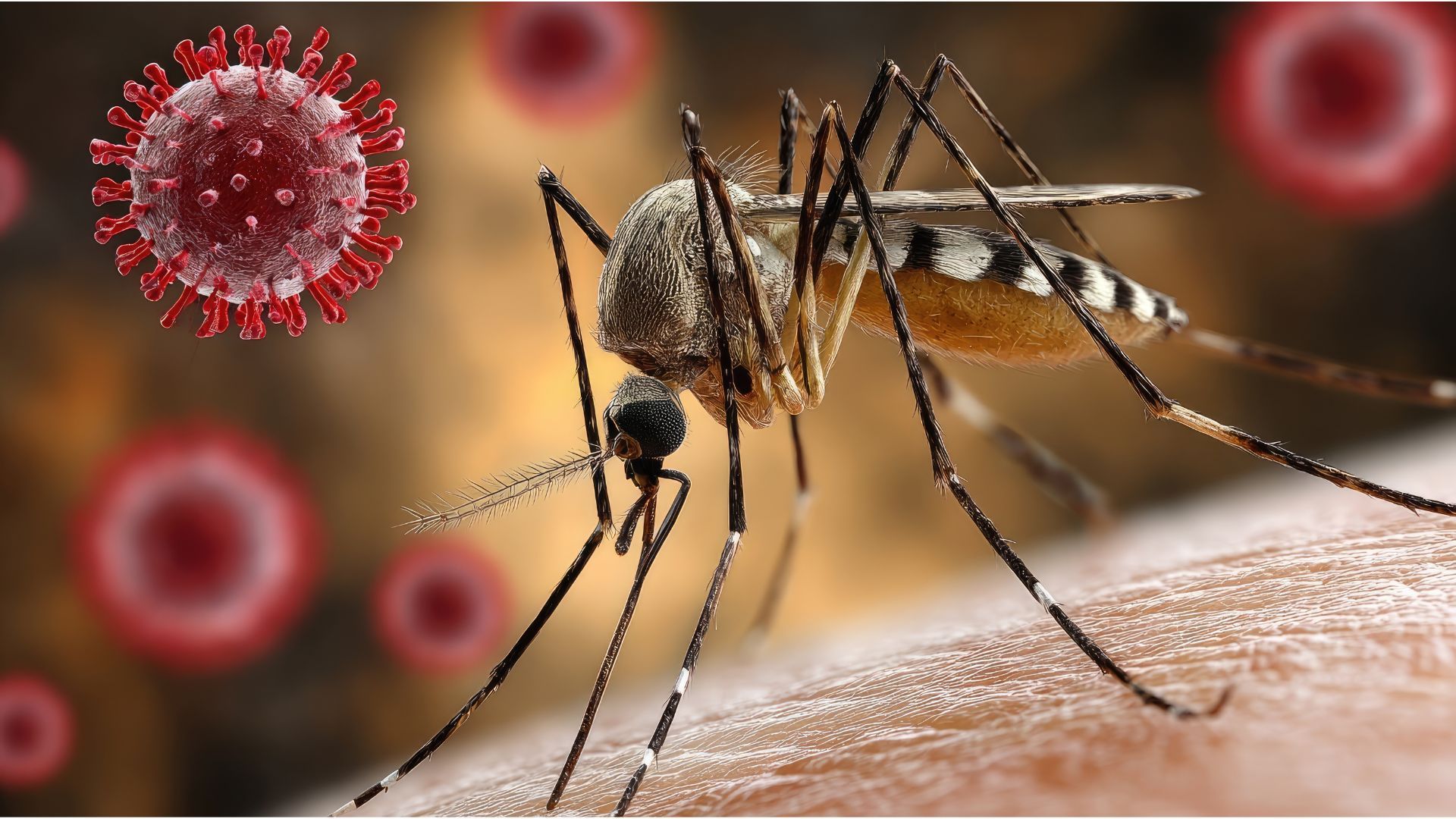
Vector-borne diseases are infections transmitted through living organisms known as vectors. These organisms can carry disease-causing viruses, bacteria or parasites between humans or from animals to humans. The World Health Organization identifies vector-borne diseases as an important global health concern, particularly in tropical and subtropical regions.[2]
Common vectors include:
Aedes mosquitoes, which can transmit dengue and chikungunya
Anopheles mosquitoes, which transmit malaria
Culex mosquitoes, which can transmit Japanese encephalitis
Sandflies, which transmit leishmaniasis or kala-azar
Ticks, which can transmit certain bacterial and viral infections
Fleas, which may transmit plague
Although several vectors are relevant to public health, mosquito-borne diseases often receive greater attention during the Indian monsoon because rainfall can create more water-filled breeding habitats.
Why the Monsoon Creates Ideal Conditions for Disease-Carrying Vectors
Mosquito breeding does not require a large pond or flooded field. A small container that holds water for several days may be enough for some species.
1. Rain fills household containers
Rainwater may collect in places that are easily overlooked, including:
Uncovered buckets and drums
Desert coolers
Flowerpot trays
Discarded bottles and cups
Tyres
Roof gutters
Tarpaulin folds
Construction materials
Refrigerator and air-conditioner trays
2. Rainwater can activate previously laid eggs
Aedes eggs attach firmly to container walls, usually just above the waterline. These eggs can remain in place after the container dries. When rain or stored water later covers them, larvae may hatch.
This is why simply pouring out water may not always be enough. Scrubbing the inner walls of containers can help remove eggs that remain attached to the surface.[1]
3. Mosquitoes develop quickly in water
Mosquitoes pass through four stages:
Egg
Larva
Pupa
Adult mosquito
Larvae and pupae live in water. Once development is complete, adult mosquitoes emerge and fly away. A nearby water collection can therefore become a continuing source of mosquitoes if it is not emptied or cleaned regularly.
4. Water storage can increase breeding opportunities
Irregular water supply may lead families, workplaces and housing societies to store water. Open or loosely covered containers can provide egg-laying sites for mosquitoes.
WHO notes that access to safe water, appropriate water storage, and good sanitation are important parts of vector-borne disease control.
5. Local breeding keeps mosquitoes close to people
Aedes aegypti mosquitoes commonly live close to humans and may be found indoors as well as outdoors. They generally do not fly long distances, which means mosquitoes biting around a home may have developed there or in the surrounding neighbourhood.
The Most Common Vector-Borne Diseases during the Rainy Season
Several mosquito-borne diseases may require attention during the monsoon. Their distribution and seasonal patterns differ according to location, mosquito species and local public health conditions.
Disease | Main vector | Cause | Common clinical features |
Dengue | Aedes mosquito | Virus | Fever, headache, body pain, nausea and rash |
Chikungunya | Aedes mosquito | Virus | Fever, severe joint pain, joint swelling, fatigue and rash |
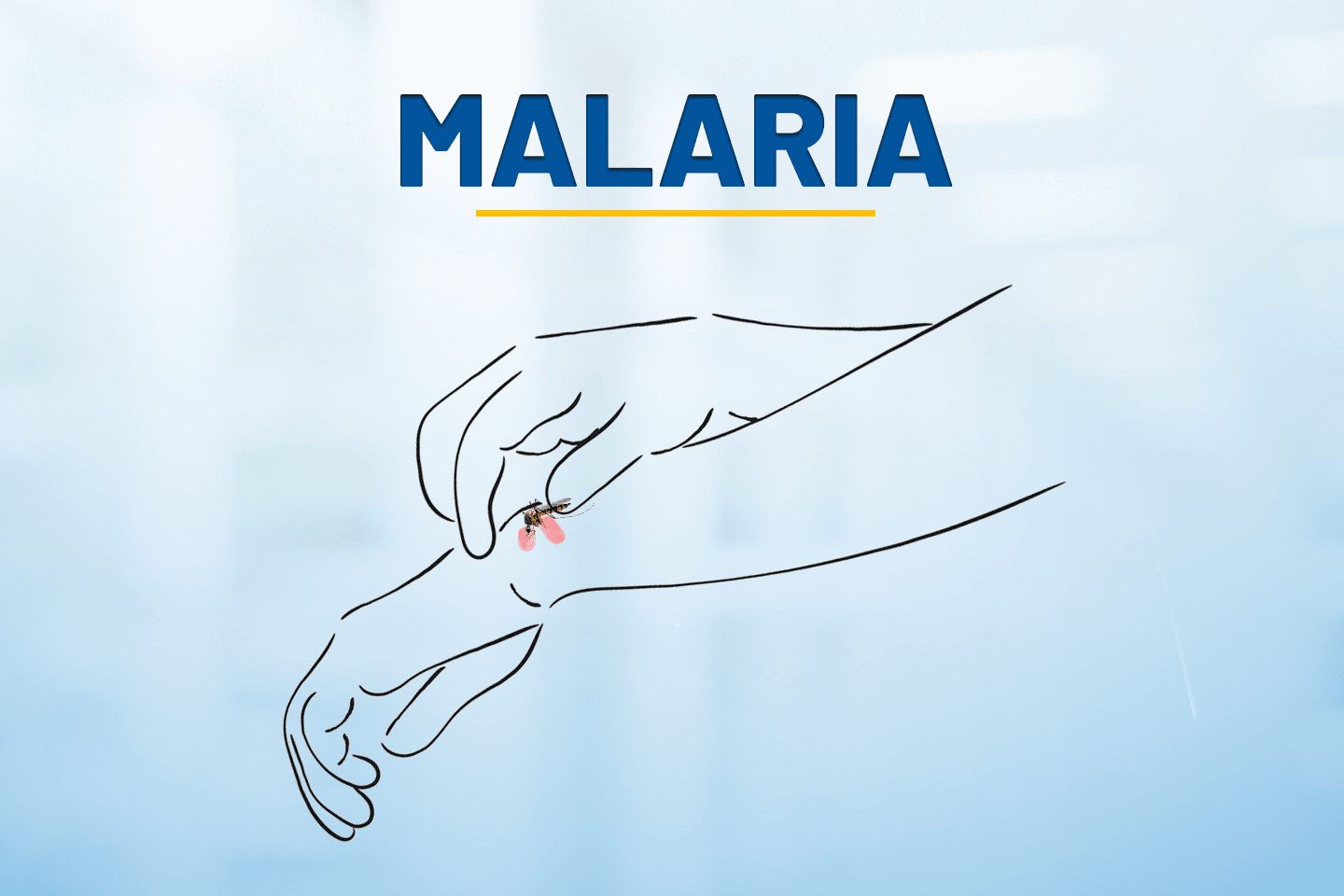
Malaria | Anopheles mosquito | Parasite | Fever, chills, headache, sweating and tiredness |
Japanese encephalitis | Culex mosquito | Virus | Often no symptoms; severe disease may cause fever, confusion or seizures |
Symptoms can overlap considerably. Fever and body pain, for example, do not automatically indicate dengue. Clinical assessment and appropriate testing are often needed to identify the cause.
This is particularly important with dengue, as the infection may initially appear to be an ordinary viral fever. A sudden fever with headache, pain behind the eyes, muscle and joint pain, nausea or rash may raise suspicion, but these symptoms alone cannot confirm dengue. What matters is the combination of symptoms, possible mosquito exposure and the level of dengue activity in the area. Recognising this early can help people seek medical advice rather than assuming that a fever is simply a routine monsoon illness.
Early Symptoms You Should Not Ignore
The first symptoms of mosquito-borne diseases may resemble flu or another common infection. However, you should pay attention when fever develops during or after a period of possible mosquito exposure.
Possible early symptoms include:
Fever
Headache
Chills or sweating
Muscle or body pain
Joint pain or swelling
Pain behind the eyes
Nausea or vomiting
Rash
Marked tiredness
Reduced appetite
Dengue commonly causes fever, headache, body aches, nausea and rash. Severe joint pain is particularly associated with chikungunya, while fever, chills and headache are common early features of malaria.
Warning signs that need urgent attention
Seek urgent medical care if you notice:
Severe or persistent abdominal pain
Repeated vomiting
Bleeding from the nose or gums
Blood in vomit or stools
Rapid or difficult breathing
Extreme weakness
Confusion or reduced alertness
Seizures
Neck stiffness
Dark or bloody urine
Pale, cold or clammy skin
Severe dengue may become apparent after the fever starts settling. Malaria can also progress rapidly in some people, while confusion, seizures, and neck stiffness may indicate encephalitis or another medical emergency.
Why Dengue Symptoms May Need Early Attention
Dengue often begins with a sudden fever accompanied by symptoms such as headache, pain behind the eyes, muscle and joint pain, nausea or vomiting and rash. These symptoms can overlap with those of other infections common during the monsoon, making it difficult to identify dengue based on symptoms alone.
Another important point is that a person may feel better as the fever decreases, while warning signs of severe dengue can develop around this period. Persistent abdominal pain, repeated vomiting, bleeding, extreme weakness, difficulty breathing or changes in alertness require urgent medical evaluation.
Therefore, when fever develops during periods of increased dengue activity or potential mosquito exposure, timely medical assessment can help determine whether testing or monitoring is needed.
Practical Ways to Reduce Your Risk of Vector-Borne Diseases
Prevention needs to address both mosquito breeding and mosquito bites.
Reduce breeding around your home
Covering, emptying, and cleaning domestic water-storage containers regularly; removing artificial habitats that collect water; and improving community awareness.
Protect yourself from mosquito bites
Wear clothes that will cover the arms and legs.
Apply a suitable mosquito repellent according to its instructions.
Install or repair mesh screens on doors and windows.
Use mosquito nets, particularly when sleeping.
Use coils or vapour-based products safely and as directed.
Keep doors and windows closed when mosquito activity is high.
Follow local health authority advice during an outbreak.
When Should You See a Doctor?
Consult a doctor when fever is persistent, worsening or accompanied by significant chills, rash, vomiting, headache, joint pain or unusual weakness. Earlier assessment is advisable for young children, pregnant women, older adults and people with existing medical conditions.
Do not rely on symptoms alone to decide whether you have dengue, malaria or chikungunya. These infections can resemble one another, especially during the first few days. The doctor may recommend tests based on your symptoms, examination findings, and the location and stage of the illness.
Seek emergency care immediately for:
Bleeding
Severe abdominal pain
Persistent vomiting
Difficulty breathing
Confusion
Seizures
Loss of consciousness
Extreme drowsiness
Dark urine or jaundice
Until dengue has been ruled out, avoid aspirin or other anti-inflammatory medicines unless a doctor has specifically advised them. These medicines may increase the risk of bleeding in people with dengue.
Conclusion
Monsoon rainfall can leave behind numerous water-filled containers where mosquitoes lay eggs and develop. When these breeding sites are located close to homes, schools, and workplaces, contact between mosquitoes and people may increase.
Vector-borne disease prevention goes beyond treating fever after infection. Emptying and cleaning containers, covering water, using protection, and addressing waterlogging in the community can minimise risk. Equally important, any persistent fever and symptoms should be evaluated by a professional, not dealt with through guesswork or self-medication.