World Health Day: A Guide to Maintaining Overall Well-Being
Introduction
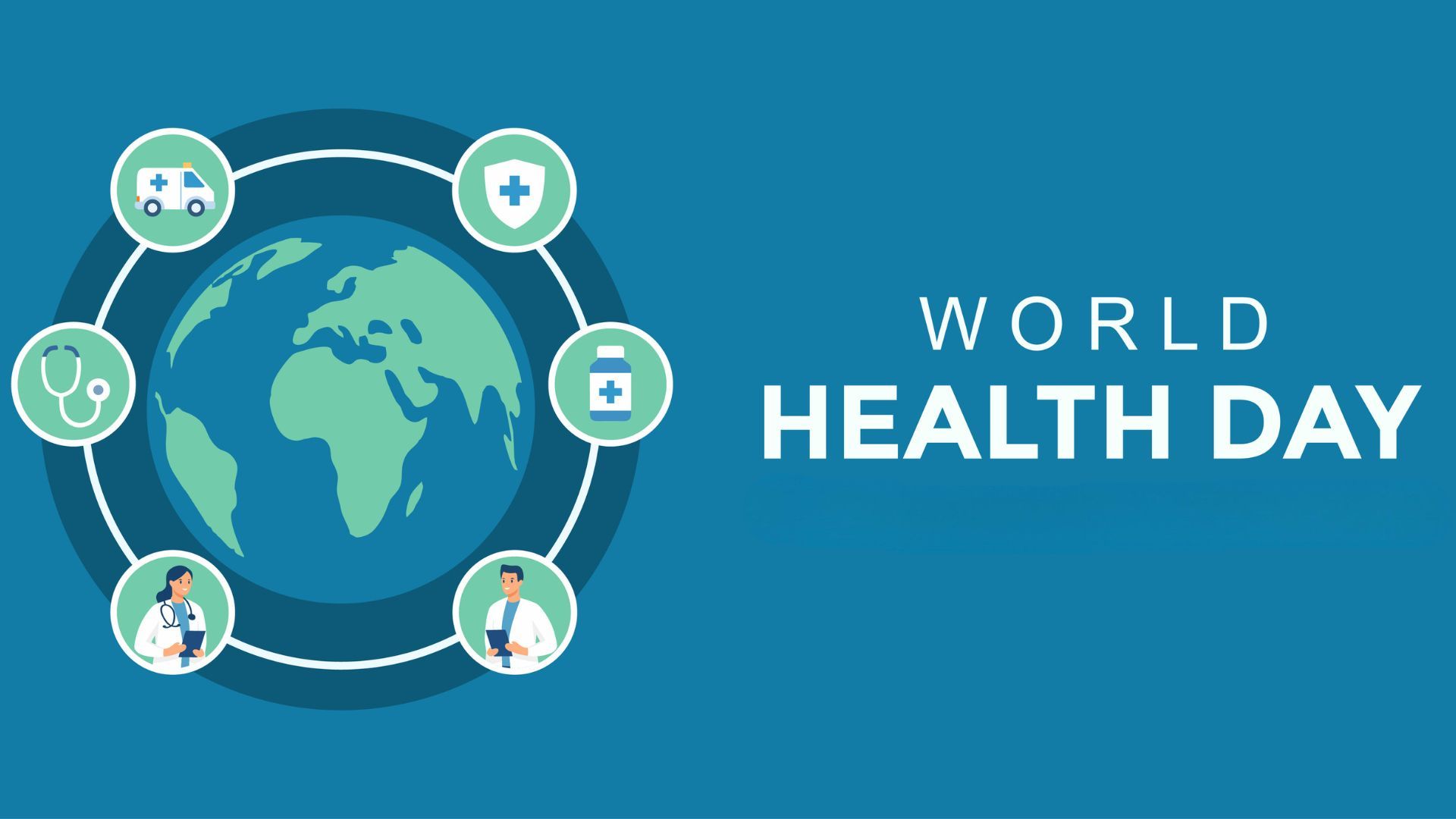
World Health Day, celebrated annually on April 7th, is an opportunity to reflect on the importance of community health and well-being worldwide. This year's theme, as outlined by the World Health Organization: “Together for Health, Stand with Science”, emphasizes the importance of making health decisions based on scientific evidence and collective action.[1]
This year’s focus calls for a shift from general advice to evidence-based health practices. At Meril Life, this theme resonates deeply. As a company built on the principles of precision, innovation, and evidence-based care, we believe that science is not just the foundation of medicine; it is the foundation of healthier lives. This blog will explore what overall well-being means through a scientific lens, and how research-backed recommendations can help you maintain and improve your health.
What Overall Well-Being Means
Well-being is more than just the absence of illness. The World Health Organization defines health as a state of complete physical, emotional, and social well-being, a definition that has guided global health policy for decades.[5] Modern research reinforces this multidimensional view. A science-informed approach to well-being means addressing all three, not just treating symptoms as they arise.
The Importance of Preventive Healthcare
Preventive healthcare focuses on prevention before there is cause for concern. Preventive healthcare is science’s most powerful argument against reactive medicine. According to the WHO, up to 80% of premature heart disease, stroke, and type 2 diabetes cases could be prevented through healthy lifestyle choices and early detection.[6]
When individuals focus on prevention, they can avoid the onset of several conditions that affect long-term health. Regular screenings, vaccinations, and health education are essential components of preventive care. Taking preventive measures can lead to early detection of health issues, allowing them to be treated effectively.
The Role of Balanced Nutrition in Well-Being
Nutrition is a critical determinant of health. A balanced diet provides the nutrients required for energy, immunity, and cellular function, and decades of nutritional science support this.
Components of a balanced diet:
Nutrient Group | Role in the Body | Common Sources |
Carbohydrates | Energy production | Whole grains, fruits |
Proteins | Tissue repair and growth | Pulses, eggs, dairy |
Fats | Hormone production, energy storage | Nuts, seeds, oils |
Vitamins & Minerals | Immunity and metabolic functions | Vegetables, fruits |
A diet that is very high in processed foods, preservatives, sugar, and saturated fats is associated with increased risk of obesity, many heart-related diseases, and metabolic disorders.[7] Balancing nutrition, portion control, and regular activity supports long-term health.
Why Regular Physical Activity Matters?
The evidence for the benefits of physical activity is unambiguous. The CDC recommends that adults engage in at least 150 minutes of moderate-intensity aerobic activity per week, a threshold associated with a 35% reduction in cardiovascular disease risk and significant improvements in health outcomes.[2] Physical activities can include walking, dancing, cycling, or any form of exercise that raises the heart rate.
Key Benefits of Regular Physical Activity:
Improves cardiovascular health
Aids in weight management
Stimulates the release of endorphins, serotonin, oxytocin, and dopamine, which help regulate mood and reduce stress[3]
Prioritizing Emotional Health
Emotional health is often overlooked, even though it is an aspect of overall well-being. It involves understanding and managing emotions, coping with stress, and maintaining healthy relationships. Choosing to prioritize your emotional health will lead to improved resilience in life and, in turn, a better quality of life.
Here are some ways that you can try to enhance emotional well-being:
Practice Mindfulness: Start by engaging in mindfulness practices like yoga, deep breathing, or meditation. With practices, you can help reduce stress and promote emotional stability.
Seek Support: Talking to friends, family, or health professionals can be valuable.
Engage in Hobbies: Pursuing interests and hobbies can improve mood and provide a sense of accomplishment.
Remember that recognizing early signs of stress or burnout can help prevent serious health concerns.
The Importance of Quality Sleep
When you get good-quality sleep, your body repairs itself, and your brain functions better, supporting memory and learning. Sleep science establishes that adults need 7–9 hours of uninterrupted sleep each night for optimal physiological repair and cognitive function.[8] Here are some tips that can help improve your sleep quality:
Create a relaxing bedtime routine
Limit screen time before bed
Keep the bedroom dark and cool
Regular Health Checkups and Screenings
Regular health checkups and screenings help individuals understand their health status and take timely steps toward effective management. Consult with healthcare providers to establish a schedule for necessary screenings based on individual health needs and risks. These may include:
Blood pressure checks
Cholesterol screenings
Cancer screenings (such as mammograms or colonoscopies)
Early evaluation helps individuals better understand their health status and take timely steps toward effective management.
Building Healthy Lifestyle Habits for Long-Term Health
Building healthy lifestyle habits is a lifelong journey. The science is clear: start small by incorporating one or two evidence-based changes at a time, and gradually develop a routine that supports your overall well-being. Consistency, backed by informed choices, is what drives lasting results. A study published in the British Journal of General Practice found that on average, it takes 66 days for a new behaviour to become automatic.[4]
Conclusion
World Health Day reminds us that looking after our health isn't just a personal effort; it's a collective one, grounded in science. The habits that protect us are not guesswork; they are built on decades of research into what the human body needs to thrive. Small, science-informed choices over time can make a real difference. The 2026 theme reinforces the idea: when we stay informed, trust the evidence, and work together, we make better choices for our health.
At Meril Life, this commitment to science-led healthcare, guides everything we do. Every product we develop, every solution we bring to clinicians and healthcare systems, is grounded in the science of precision and care. Through its innovations in medical technology, Meril Life Sciences remains committed to improving patient outcomes and strengthening the future of healthcare. On this World Health Day, we invite you to stand with science too, in the choices you make daily, and in the healthcare you seek and support.
FAQs


References
[2] https://www.cdc.gov/physical-activity-basics/benefits/index.html
[3] https://www.mayoclinic.org/healthy-lifestyle/fitness/in-depth/exercise/art-20048389
[4] https://pmc.ncbi.nlm.nih.gov/articles/PMC3505409/
[5] https://www.who.int/about/governance/constitution
[6] https://pmc.ncbi.nlm.nih.gov/articles/PMC6378495/