


























World Spine Day: Everyday Choices for Better Spine Health
Introduction
The way you sit at your desk, how often you stand up, how you lift your bag, and even how you move during the day can affect your back and neck. None of these activities seems significant on its own. Over time, however, they may define how comfortably you move through everyday life.
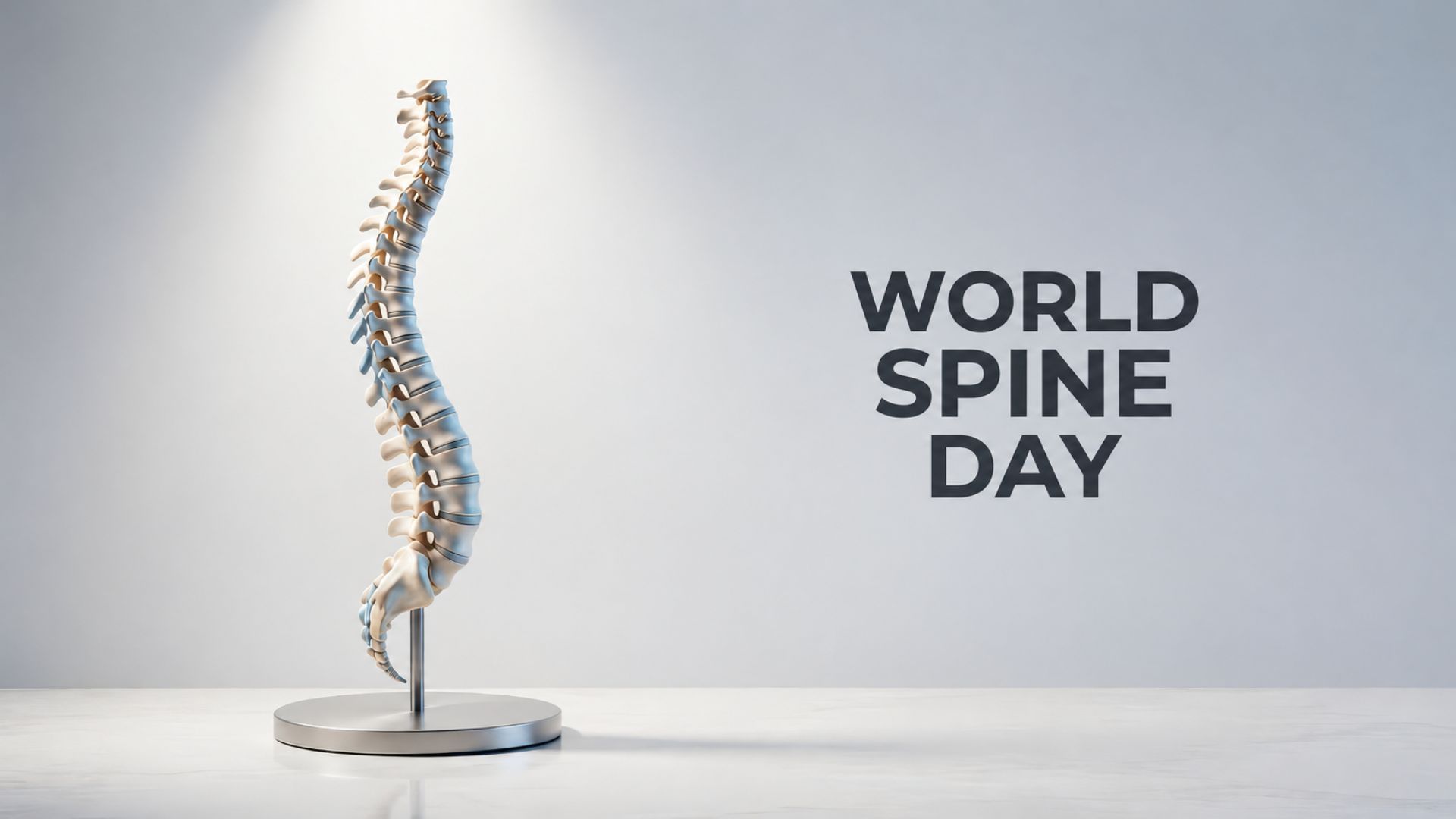
World Spine Day, observed on October 16, focuses on spinal health and the growing burden of back and neck problems. It is also a good opportunity to look at the things you do every day that may be helping or hurting your spine.
World Spine Day and the Importance of Spine Health
World Spine Day was created to raise awareness of spinal disorders, their impact on quality of life, and the need for better prevention and care. Back pain is one of the most common reasons people struggle with everyday activities, from working and exercising to simply getting out of bed.
The World Health Organization estimates that 619 million people were living with low back pain in 2020. By 2050, this figure could rise to 843 million. Lower back pain is currently the leading cause of disability worldwide.[1] The burden is particularly in India, where low back pain affects a substantial proportion of the population. A systematic review of 97 studies found a point prevalence of 48% and a lifetime prevalence of 66% among Indian populations studies.[2]
So taking care of your spine matters, even if you don't feel like anything is wrong with your back right now. It is always easier to develop a preventive practice rather than an active one.
How Everyday Habits Can Affect Your Spine
Most people do not spend their day doing one obviously harmful thing to their back. The problem is often a combination of small habits.
A desk job, for instance, can mean sitting for several hours with barely any movement. Add long commutes, phone use, and little exercise, and your back may spend much of the day in the same few positions.
Another common problem is lifting. Lifting a suitcase, moving a piece of furniture, or carrying something very heavy can be difficult on your back when you twist or try to lift more than you can handle.
Your overall lifestyle matters as well. An analysis of global low back pain data found that 38.8% of years lived with disability from low back pain in 2020 were attributable to occupational factors, smoking, and high BMI together.[3]
That does not mean every case of back pain is caused by poor habits. Back pain can have many causes, and sometimes there is no single obvious one.
Simple Changes for a Healthier Spine
You don't need to reorganise your day to fully support your spine. Start with habits that are easy to maintain.
Get up during long work sessions. If you have been sitting for a while, stand up, walk around or stretch before returning to your desk.
Make movement part of the day. Walking is a simple place to start. You can also choose cycling, swimming, strength training, or another activity you enjoy. Consistency matters more than picking the “perfect” exercise.
Strengthen the muscles that help you move. Exercises involving the abdomen, back, hips, and legs can improve strength and physical capacity. A systematic review found that exercise reduced the risk of low back pain by 33%.[4]
Set up your workspace properly. Your screen should be at a comfortable height, your chair should provide adequate support, and your feet should rest comfortably rather than hanging off the chair.
Think before you lift. Get close to the object, use your legs, and avoid turning your body while carrying a heavy load.
Change positions. You do not need to find one “perfect” posture and hold it all day. Sitting, standing, and moving regularly give your body some variety.
When Back or Neck Pain Needs Medical Attention
A sore back after an unfamiliar workout or a long day does not necessarily signal a serious problem. Some episodes improve with time and a gradual return to normal activity.
Pain that persists, keeps returning, or begins to interfere with work, sleep, or movement is different. It is worth discussing with a doctor, particularly if it is accompanied by:
Weakness or numbness in arms or legs
Pain spreading into the arm or leg.
Problems with balance or walking
Loss of bladder or bowel control
Fever or unexplained weight loss
Severe pain after an accident or significant injury
These symptoms don't necessarily mean something serious is happening, but you shouldn't brush them aside.
Building Better Spine Health through Prevention and Early Care
Good spine care is less about maintaining an impossibly perfect posture and more about giving your body enough movement, strength, and recovery.
If you sit for long periods, make sure you move around throughout the day. If you lift at work, learn proper lifting techniques. If you are not physically active, then ensure that the activity you choose is sustainable. If your pain is consistent or interferes with daily activities, seek medical assistance. World Spine Day may come once a year, but these are habits worth carrying into the other 364 days.
Conclusion
Your spine has to support you through almost everything you do, so caring for it should not begin only after pain appears. Regular movement, sensible lifting, a comfortable work setup and appropriate exercise can all form part of everyday spine care.
You don't have to pursue perfect posture or an elaborate process. Making small changes regularly will be more beneficial. And if you experience ongoing pain or unusual symptoms with the pain, seeking medical help would be wise.


