
























Bariatric Surgery: Learn More About The Different Types of Bariatric Surgery
What is bariatric surgery?
A weight loss surgery is known as bariatric surgery or even metabolic surgery. It is used as a treatment for people who are very obese and have comorbid health issues like diabetes, heart disease, and high blood pressure. To understand who falls under the obese criteria, we must know it’s generally accepted definition. The International Classification of Diseases 11 states, ‘Obesity is a chronic complex disease by excessive adiposity (too much fatty tissue in the body) that can impair health.’ Various external and internal factors, including genetics and diet, can cause obesity.
Body Mass Index is usually used to understand whether a person falls in the ‘healthy’ weight category. BMI categories are different for children and adults. If someone’s BMI is 30 or higher, they are identified as obese. However, one must note that not everyone in this category suffers from comorbidities, and not everyone will require weight loss surgery.
The decision to undergo bariatric surgery is taken after conventional weight loss methods do not bring the desired results. This surgery is also not undertaken to bring cosmetic change solely. However, a physical transformation is expected post-op.
Understanding Obesity and BMI: Who Qualifies for Weight Loss Surgery
Body Mass Index (BMI) is the primary tool doctors use to determine if you qualify for weight loss surgery. BMI is calculated by dividing your weight by your height squared.
BMI Categories:
Normal weight: 18.5 to 24.9
Overweight: 25 to 29.9
Obese: 30 to 39.9
Severely obese: 40 or higher
Who Qualifies for Bariatric Surgery
You may be a good candidate if:
Your BMI is 40 or above (severely obese)
Your BMI is 35–39, AND you have serious weight-related health problems like diabetes, high blood pressure, or sleep apnea
You've tried other weight loss methods without long-term success
You're committed to making permanent lifestyle changes
Bariatric surgery is a valuable tool, but lasting results come from pairing it with healthy eating habits and regular physical activity. For a closer look at how BMI is calculated and its role in surgery eligibility, read our blog on BMI and weight loss surgery.
Why is bariatric surgery done?
The ultimate purpose of bariatric surgery or weight loss surgery is to ensure that a person’s quality of life improves, has a longer life span, and does not have to face obesity-related risks. This surgical intervention only occurs when other steps like diet and exercise have not worked for weight loss.
Bariatric surgery is done for people who are at risk of:
- Heart disease and stroke
- Type 2 diabetes
- Sleep apnea
- High blood pressure
- High blood sugar
- Kidney disease
- Non-alcohol-related fatty liver disease (NAFLD) or non-alcohol-related steatohepatitis (NASH)
How Weight Loss Surgery Works: Restriction vs. Malabsorption
Weight loss resulting from these surgical procedures works in two main ways, which can be employed independently or simultaneously depending on the type of surgery:
1. Restriction (Reducing the Size of Your Stomach)
Restrictive procedures work by physically reducing your stomach size, naturally limiting the quantity of food you can take at a sitting. With reduced stomach capacity, you may feel full after eating much smaller portions, feel that fullness sooner, and experience a significantly decreased appetite.
2. Malabsorption (Changing How You Absorb Food)
Malabsorptive surgeries reduce the absorption of calories and nutrients by changing your digestive system so your body cannot absorb all of it — creating a kind of shortcut that bypasses a section of your small intestine where most calorie absorption normally takes place.
Most current weight loss surgeries incorporate both restrictive and malabsorptive principles to improve effectiveness and offer optimal results.
Types of bariatric surgery
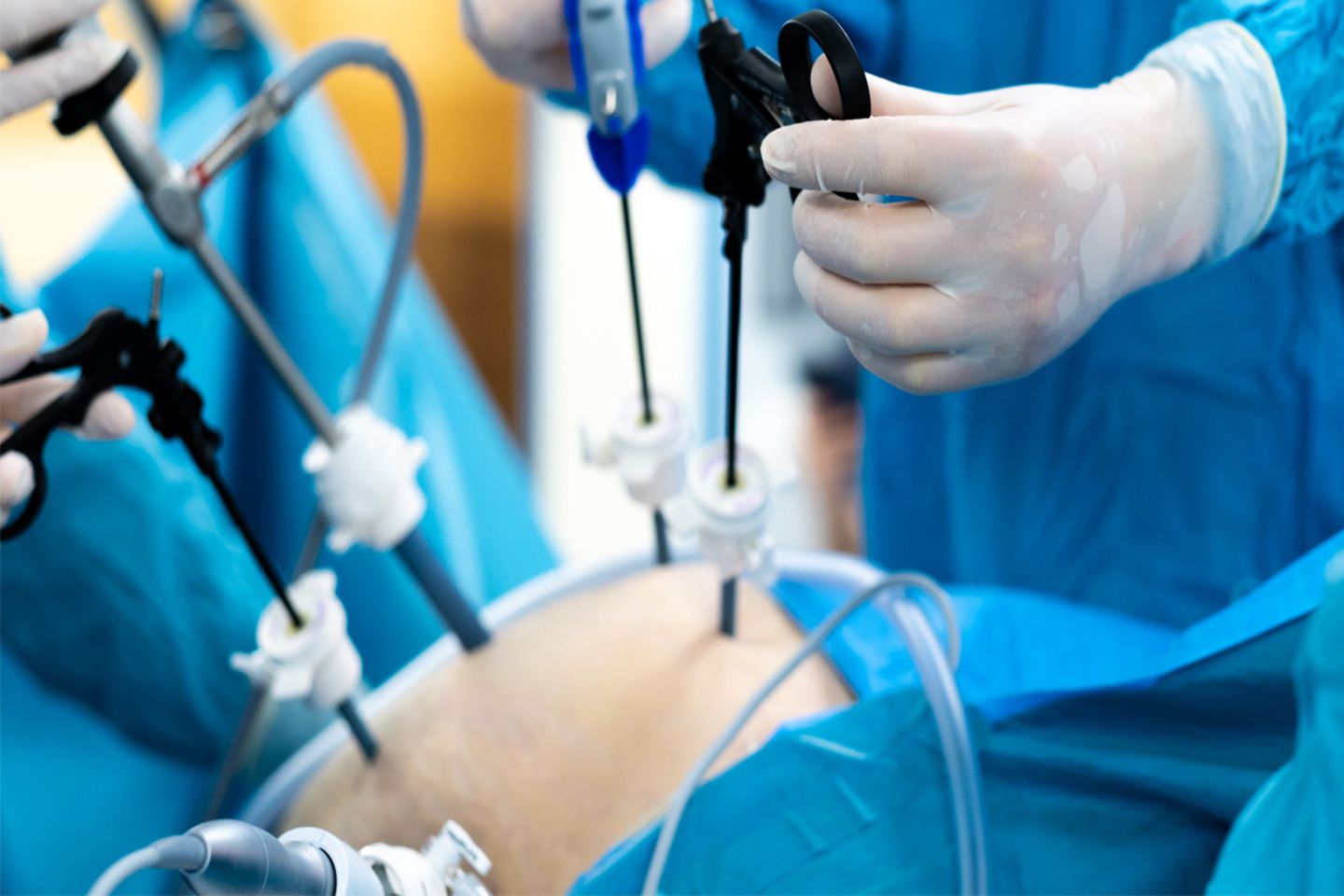
With the advancement in surgery techniques, any bariatric or weight loss surgery is done by making small incisions, i.e., laparoscopically. However, the doctor can opt for open surgery, depending on your case. In minimally invasive surgeries, the surgeon will insert a laparoscope with a camera attached to its head inside the abdomen for a full view. The surgeon can perform the procedure without creating large incisions, which is ideal for fast recovery and post-op pain management.
There are several bariatric surgeries, but the one you need will depend on your case specificities. Each of these weight loss surgeries has its pros and cons.
Some common bariatric surgery types are:
- Gastric band is minimally invasive and reversible. Here, an inflatable band is put around the top of the stomach to reduce its size and food intake.
- Gastric bypass divides the stomach into two gastric pouches. The uppermost pouch is also smaller than the latter half and is connected to the small intestine. The objective is to change how your stomach and small intestine digest food and absorb nutrients. The new, smaller stomach and lower small intestine act as a bypass for food flow.
- Sleeve gastrectomy (gastric sleeve) removes at least 80% of the stomach, so you cannot eat as much. Your stomach will also not release the hunger-inducing hormone ghrelin, so the desire to eat wanes.
- Gastric Balloon is a temporary procedure for weight loss. A deflated balloon is inserted through an endoscope into the stomach and then inflated to reduce the space within, leading to a reduction in the food-holding capacity of the stomach and, eventually, food intake.
Bariatric Surgery is a life-changing process and causes significant physical and mental stress. So, you can speak to your doctor to clear any doubts and queries regarding the process.
Benefits of Bariatric Surgery
Bariatric surgery offers a range of benefits for those struggling with severe obesity:
Significant Weight Loss: The most obvious advantage of bariatric surgery is weight loss. Many patients lose significant amounts of weight within the first year of surgery, and this continues over time.
Improved Health: Conditions including type 2 diabetes, high blood pressure, and sleep apnea that are linked to obesity can be improved or even cured with bariatric surgery, reducing the risk of long-term complications.
Better Mobility: Carrying extra weight can limit your ability to move comfortably. Many people find it easier to move, exercise, and carry out daily duties after undergoing bariatric surgery, enhancing their quality of life.
Increased Energy: Weight loss leads to increased energy levels, allowing patients to engage more in physical activities and lead a more active lifestyle.
Preparing for Surgery
There are some routine assessments done before surgery like:
- Learning the patient’s medical history like any comorbidities and previous surgeries
- Assessing patient’s mental health
- Physical examination like blood tests, X-rays
Besides these, you will be advised to refrain from smoking. You might be put on a calorie-deficit diet before the surgery and asked to engage in physical activity. The doctor will also advise on any medication to take.
Surgery aftercare
You will remain in the hospital for the doctors to monitor your vitals after the surgery.
Post-surgery, you will be put on a liquid diet and asked to incorporate and monitor your physical activity. You will experience fatigue, nausea and vomiting, and post-surgical pain, which are all normal after undergoing this operation.
Risks of bariatric surgery
Undergoing bariatric or weight loss surgery can have severe short-term and long-term risks and complications. Before you decide to have the surgery, you must discuss the pros and cons of it with your surgeon.
Short-term risks include:
- Acid reflux
- Anaesthesia-related risks or allergy
- Chronic nausea and vomiting
- Dilation of oesophagus
- Food intolerance with some items
- Wound infection
- Obstruction of stomach
- Gall stones
- Weight gain or failure to lose weight
Long-term risks include:
- Dumping syndrome, where food ends up in the small intestine instead of the stomach
- Excess skin after weight loss
- Low blood sugar
- Malnutrition
- Vomiting
- Ulcers
- Bowel obstruction
- Hernias
Though weight loss surgeries have mostly proven to be beneficial and effective, there are some chances that they might not work. If this is the case, then keeping up follow-up sessions with your doctor will help you find out why weight loss is not happening. Patients should also remember that it is possible to regain weight after the weight loss surgery. This happens when the prescribed dietary and physical activity changes are not incorporated or followed.
Meril Life offers several superior surgical instruments for laparoscopic procedures like bariatric or weight loss surgeries. The MIRUS POWERED ENDOSCOPIC LINEAR CUTTER AND RELOADS from Meril give consistent staple formation and transect tissue stability and control. This instrument is battery-operated and comes with a safety switch, so the surgery is secure. Besides abdominal surgeries like weight loss, this instrument is also used during gynaecologic, paediatric, and thoracic procedures.
Final note
Bariatric surgeries are often the last resort for people who are obese and have or are at risk of obesity-related diseases. These surgeries help lose weight when other steps don’t work and help reduce the risk of mortality.
FAQs


References
https://www.nhs.uk/conditions/overweight-and-obesity
https://pubmed.ncbi.nlm.nih.gov/32870301/
https://www.mayoclinic.org/tests-procedures/bariatric-surgery/about/pac-20394258
https://www.mayoclinic.org/tests-procedures/gastric-bypass-surgery/about/pac-20385189
https://www.mayoclinic.org/tests-procedures/sleeve-gastrectomy/about/pac-20385183