
























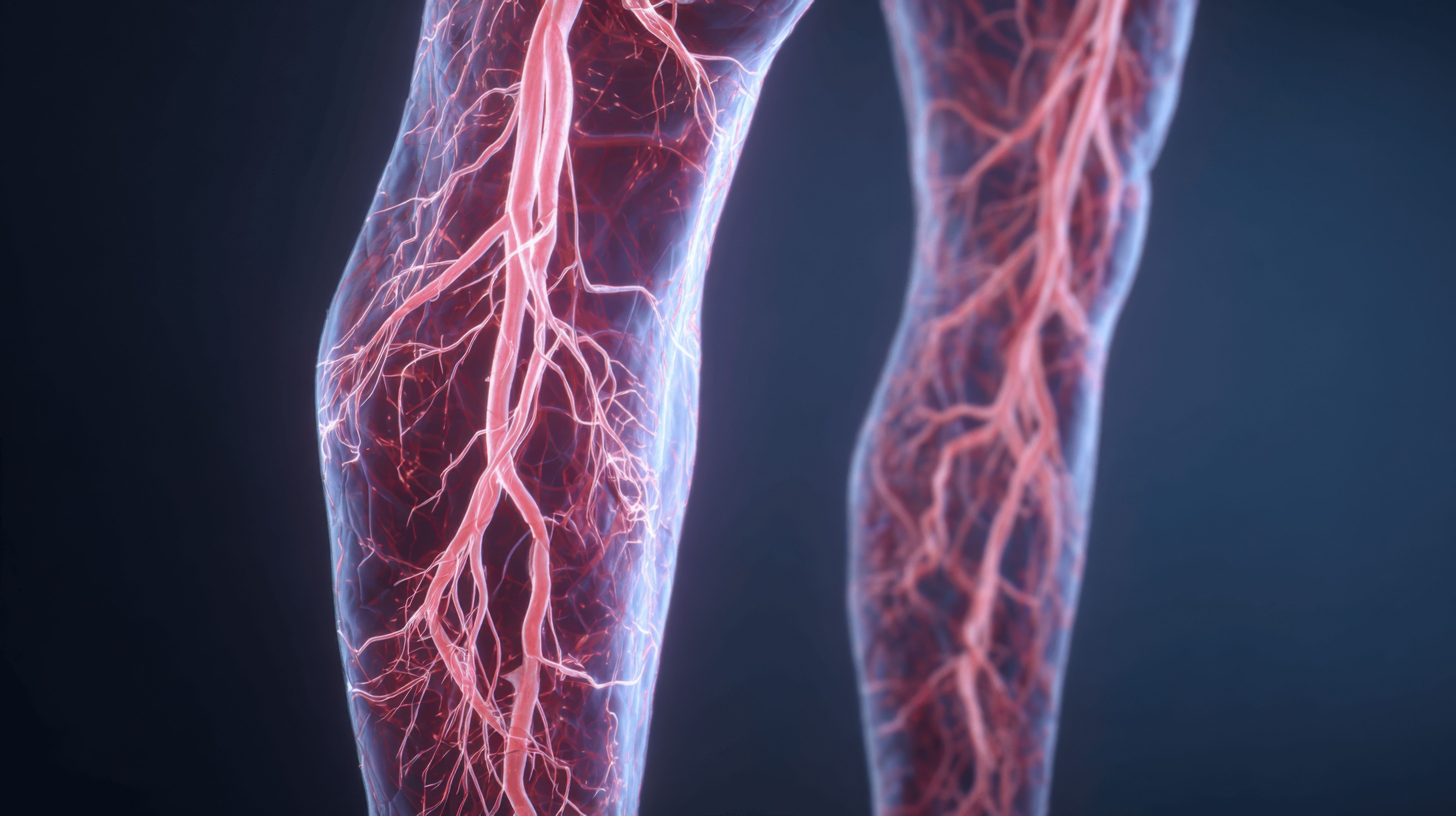
Why Closing a Blood Vessel Can Sometimes Help You Heal?
Introduction
When you hear the phrase "closing a blood vessel," it may sound alarming. After all, blood vessels carry oxygen and nutrients that keep your body alive. So why would doctors ever want to block one on purpose?
The answer may surprise you. In certain medical situations, closing a specific blood vessel can actually help your body heal faster. When you plan this approach carefully, precisely target it, and back it with science. It is not about stopping blood flow everywhere, but about controlling it where it is causing harm.
In this blog, let us walk through how blood vessel healing usually works, when blood vessels become part of the problem, and how closing them under medical supervision can support recovery. We'll keep things simple, practical, and easy to understand.
How Wound Healing Normally Works
Your body is remarkably good at repairing itself. When you get a cut, scrape, or internal injury, healing happens in stages.
- First, blood clotting kicks in. Blood vessels contract briefly, slowing bleeding, and platelets form a clot, which helps seal the wound.
- Next comes inflammation, where white blood cells clean up damaged tissue and protect against infection.
- Then, new tissue and blood vessels form to rebuild the area.
- Finally, the wound strengthens and matures over time.[1]
As you already know, the blood vessels deliver oxygen, food, and immune cells to the injured area. Without them, wounds would struggle to heal. So far, blood vessels sound like heroes, and most of the time, they are.
When Blood Vessels Become the Problem
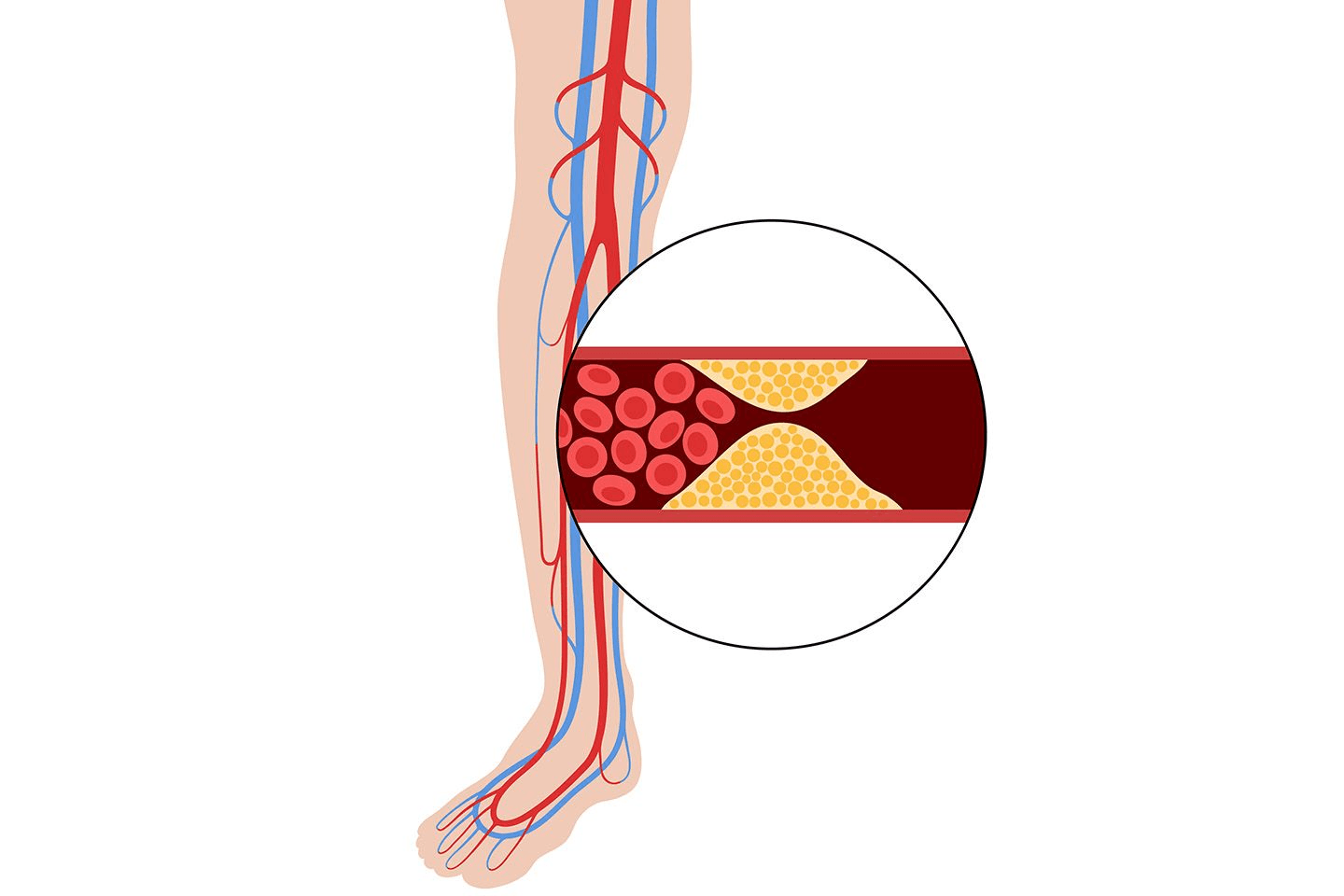
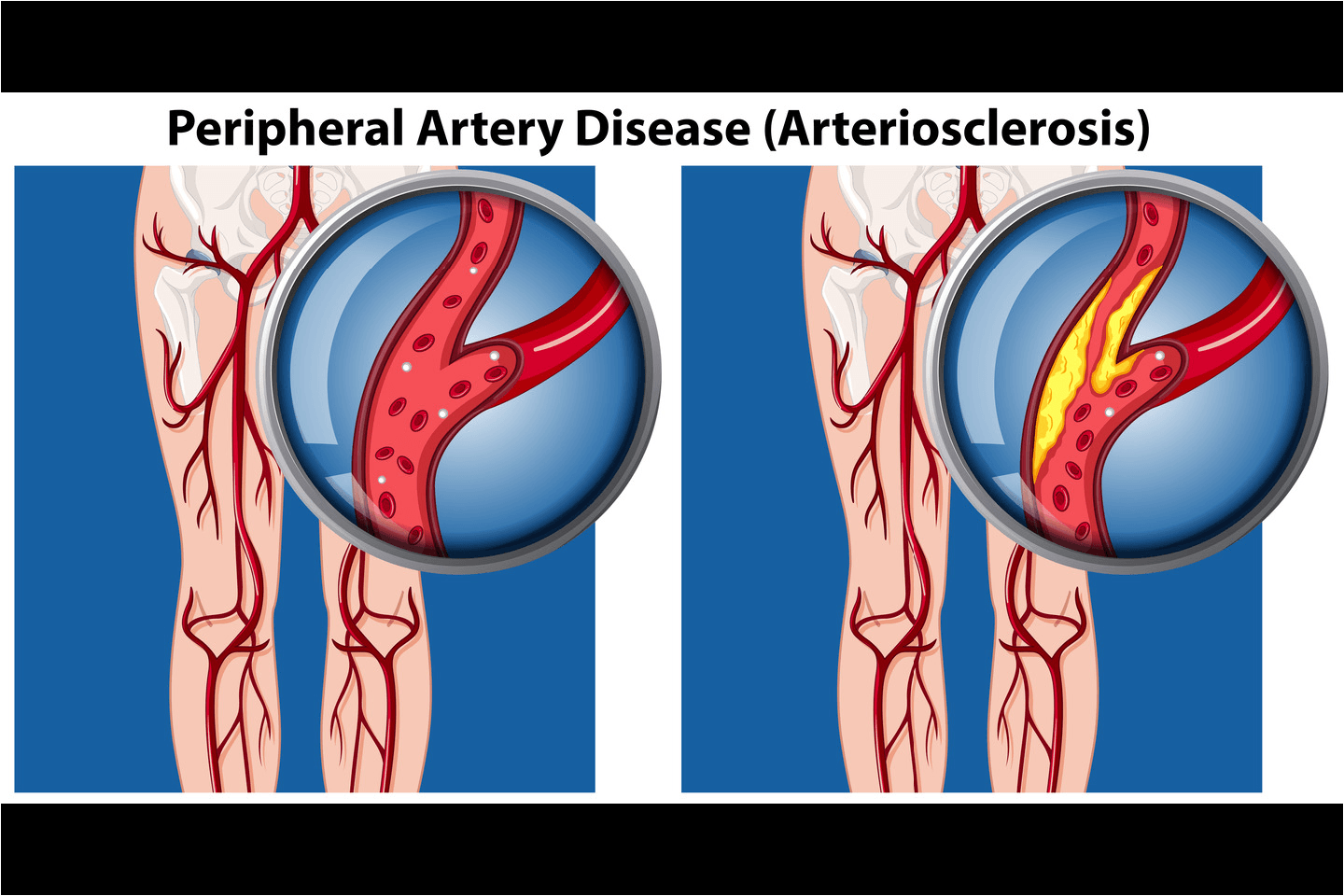
Sometimes, however, blood vessels don't behave as they should. Instead of helping heal, they may:
- Leak continuously
- Bleed excessively
- Grow abnormally
- Feed diseased tissue
You can think of it like you are trying to fix a leaking pipe while water keeps gushing out. No matter how skilled you are, the repair won't hold unless the flow is controlled. Similarly, uncontrolled blood flow can delay healing or worsen medical conditions. It is when doctors may decide if closing or blocking a specific blood vessel is the best solution.
Conditions Where Closing a Blood Vessel Aids Healing
There are several situations where deliberately stopping blood flow to a particular area helps the body recover.
Excessive Bleeding
In cases of internal bleeding, trauma, or post-surgical complications, uncontrolled blood flow can be life-threatening. Blocking the bleeding vessel helps stabilize the patient and allows tissues to heal.
Abnormal Blood Vessel Growth
Some conditions cause blood vessels to grow in tangled or fragile ways. These vessels can rupture easily or steal blood from healthy tissue. Closing them reduces symptoms and prevents further damage.
Tumours and Growths
Certain tumours rely on blood vessels for oxygen and nutrients. Cutting off their blood supply can shrink the tumour or slow its growth, helping other treatments work more effectively.
Chronic Non-Healing Wounds
In some chronic wounds, especially those linked to abnormal circulation of the blood, redirecting or limiting blood flow in problematic vessels can support proper healing.
Pain and Swelling Conditions
Inflammation fuelled by excess blood flow can lead to ongoing pain and swelling. Targeted vessel closure can reduce these symptoms.
In all these cases, the goal is not to harm healthy tissue but to restore balance.
How Doctors Close Blood Vessels
Doctors use carefully controlled medical procedures to safely close blood vessels. One commonly used approach is called embolization.
What Is Embolization?
Embolization is a minimally invasive procedure done to block blood flow to a specific area.[Daphne Di1] [2] A doctor will insert a fine tube (catheter) into a blood vessel, usually through a small puncture in the skin. They use imaging to guide the catheter to the problem area.
Then, materials such as:
- Medical-grade particles
- Coils
- Specialized gels or liquids
are released to block the targeted vessel. Think of it like plugging a faulty pipe without disturbing the entire plumbing system.
Why It's Considered Safe?
- It targets only specific vessels delivering blood to a certain area
- Its surrounding tissue remains protected
- The procedure often requires only local anaesthesia
- Recovery time is usually shorter than that of open surgery
It is this precision that makes vessel closure a powerful healing tool in modern medicine.
How the Body Adapts After a Vessel Is Closed?
One of the most fascinating aspects of the human body is its ability to adapt. When a blood vessel is intentionally closed:
- Nearby vessels often take over, supplying blood through alternate pathways
- The body reroutes circulation naturally
- Oxygen delivery continues through healthy networks
This process is called collateral circulation. It ensures that tissues still receive what they need, even after a vessel is blocked.
Over time, inflammation reduces, damaged tissue repairs itself, and healing progresses more smoothly.
Who May Benefit from These Treatments
Closing a blood vessel is not for everyone, and it's never done casually. Doctors carefully evaluate each case.
People who may benefit include:
- Patients with uncontrolled internal bleeding
- Individuals with vascular abnormalities
- Certain cancer patients
- People suffering from chronic pain caused by abnormal blood flow
- Patients with wounds that are not healing despite standard care
Your doctor considers factors such as overall health, blood flow patterns, and treatment goals before recommending such procedures.
Conclusion
Healing is not always about adding more; it's sometimes about taking away what's causing harm. While blood vessels are essential for life, there are situations where a specific vessel becomes an obstacle rather than a helper. In those cases, carefully closing that vessel can stop bleeding, reduce pain, limit disease progression, and give your body the chance it needs to heal properly.
Modern medical techniques have made these procedures safer, more precise, and more effective than ever. When used appropriately, closing a blood vessel isn't about blocking healing; it's about guiding it in the right direction.