Coronary Stents: Types, Benefits, PCI and Treatment Advances
Introduction
Coronary artery disease is one of the common heart problems worldwide. It is when the arteries that carry blood start to narrow or get blocked due to fatty deposits. It may lead to chest pain, shortness of breath, or even a heart attack.
Doctors often use coronary stents, small mesh-like tubes, to keep these arteries open. Stents are a key part of Percutaneous Coronary Intervention (PCI), helping restore normal blood flow and heart function.
What Is a Coronary Stent and How Does It Work?
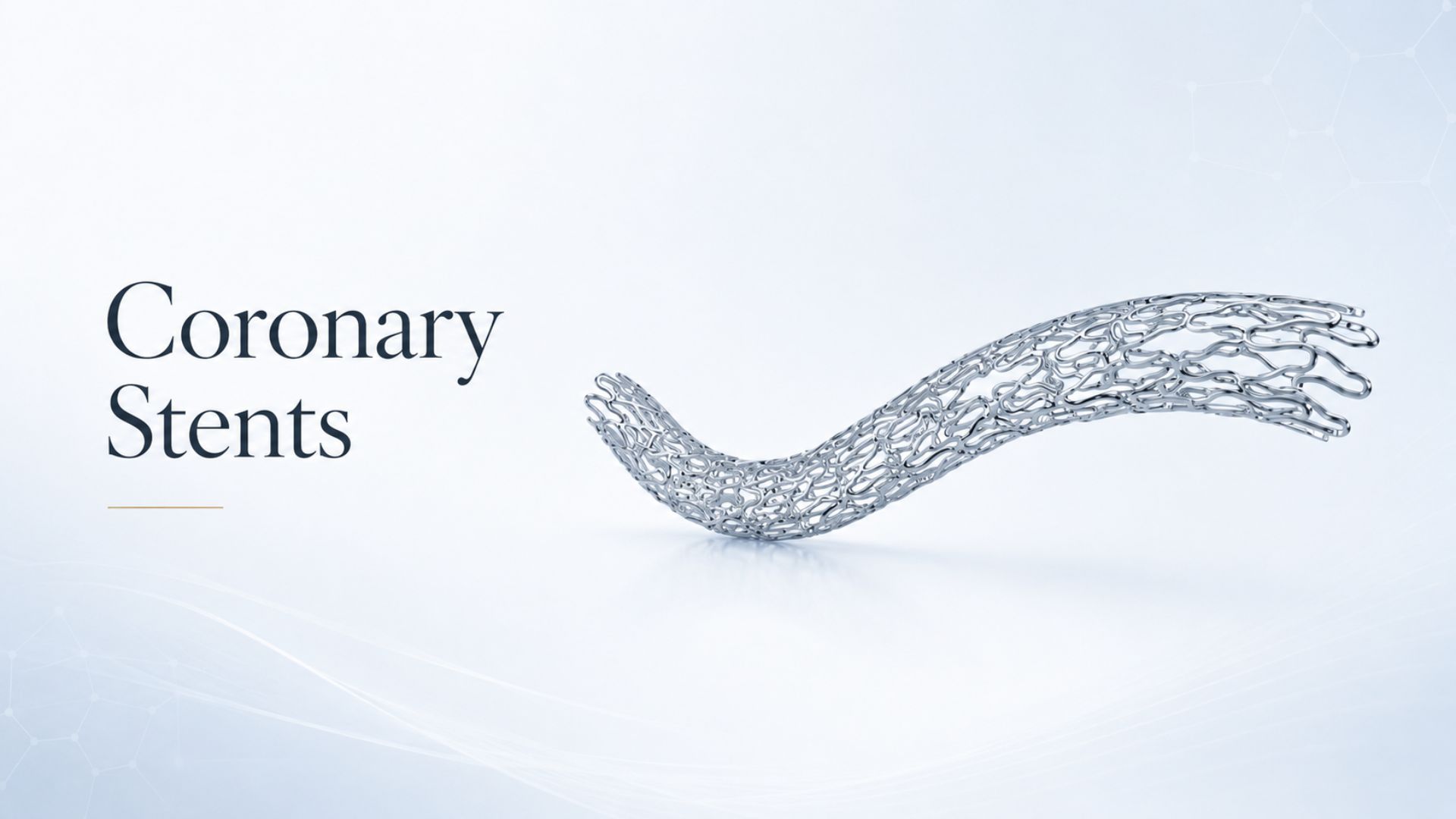
A coronary stent is a tiny tube, usually made of metal or special materials, placed in a narrowed artery. It works like a support frame, keeping the artery open and allowing blood to flow freely.[1]
Tissue eventually grows around the stent, helping the artery remain open in the long term. In simple terms, a stent is like a support ring inside a clogged water pipe, keeping it wide and functional.
The Role of Coronary Stents in Percutaneous Coronary Intervention (PCI)
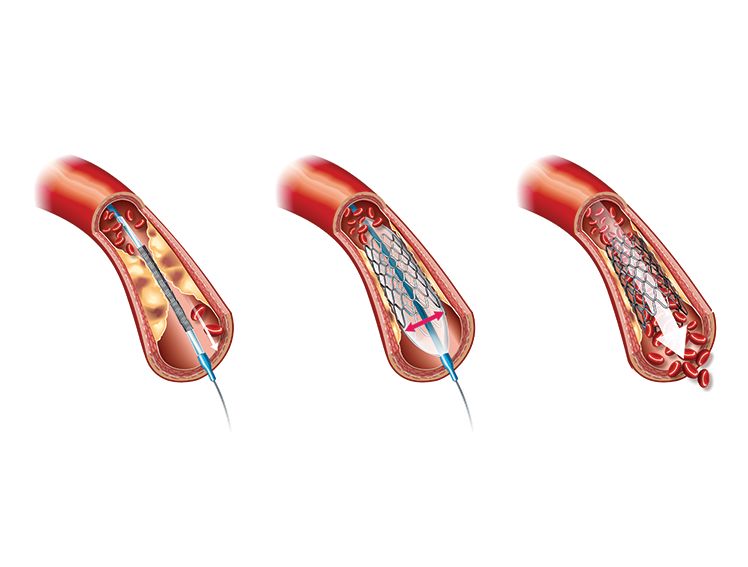
Percutaneous coronary intervention (PCI) is a less invasive procedure to treat narrowed arteries. During PCI:
A narrow tube (catheter) is inserted into the blocked artery.
A small balloon is inflated, which helps to widen the artery.
A stent is placed to keep it open.
Benefits of PCI with stents include:
Smaller cuts
Shorter hospital stays
Faster recovery
Relief from chest pain and reduced heart attack risk
Types of Coronary Stent
Doctors use different coronary stents based on the patient's condition:
Bare-Metal Stents (BMS)
Early-generation stents were made only of metal.
Provide support, but have a higher chance of re-narrowing.
Drug-Eluting Stents (DES)
Coated with medicine that releases into the artery.
Helps prevent restenosis and is widely used today.[2]
Bioresorbable Stents (BRS - Dissolving Stents)
Temporary stents that dissolve naturally over time.
Allow the artery to regain its natural flexibility.
What are Drug-Eluting Stents? How They Prevent Re-narrowing of the Artery
Drug-eluting stents slowly release medicine to prevent scar tissue from forming inside the artery. It lowers the possibility of the artery narrowing again, a condition called restenosis.
Advantages include:
Long-term support for the artery.
Improved healing.
Lower risk of repeat procedures than with bare-metal stents.
What is Bioresorbable Vascular Scaffold (BVS)?
A bioresorbable vascular scaffold is a dissolving stent.
It temporarily supports the artery, then dissolves naturally over approximately 2–3 years.
Leaves the artery open and functioning normally.
BVS disappears once healing is complete, restoring natural flexibility.[3]
Comparing Drug-Eluting Stents vs. Bioresorbable Vascular Scaffold
Feature | Drug-Eluting Stents (DES) | Bioresorbable Vascular Scaffold (BVS) |
Material | Metal with a medicine coating | Dissolving material (polymer) |
Duration in the artery | Permanent | Temporary (dissolves in years) |
Artery flexibility | Limited, due to permanent metal | Restored after the stent dissolves |
Risk of long-term issues | Possible | Lower, as nothing remains |
Usage | Most common worldwide | Emerging, still under study |
DESs act as permanent bridges, while bioresorbable stents serve as temporary scaffolds that dissolve once the artery heals.
How Cardiologists Choose the Right Stent for Coronary Artery Disease
Choosing a stent depends on multiple factors:
Age and overall health of the patient.
Size and location of the blockage.
Risk of restenosis.
Long-term treatment goals.
Doctors also consider a patient's ability to follow post-stent medication, which is vital for preventing blood clots.
Innovations for the Future of Coronary Artery Disease Treatment
As the world evolves, the future of stent technology is advancing rapidly:
Thinner stents with better flexibility.
Improved bioresorbable vascular scaffolds.
Robotic-assisted PCI for precise placement.
Advanced imaging to guide stents accurately.
These developments aim to make procedures safer, faster, and more effective.
Patient Care and Lifestyle after Coronary Stent Placement
These stents treat blockages but do not completely cure heart disease. As a patient, you should:
Take prescribed medicines regularly
Follow a heart-healthy diet.
Attend regular follow-ups
Exercise as recommended.
Avoid smoking and excess alcohol
A stent helps blood flow, but lifestyle choices are crucial for long-term heart health.
Conclusion
Coronary stents have transformed treatment for coronary artery disease. From bare-metal stents to drug-eluting stents, and now bioresorbable stents (dissolving stents), treatment has evolved significantly.
Through Percutaneous Coronary Intervention (PCI), millions of patients have better heart health and improved quality of life. As technology advances, stents and PCI procedures will continue to offer safer and more effective treatment options.