Piles (Hemorrhoids) Treatment: Navigating Your Surgical Options
Introduction
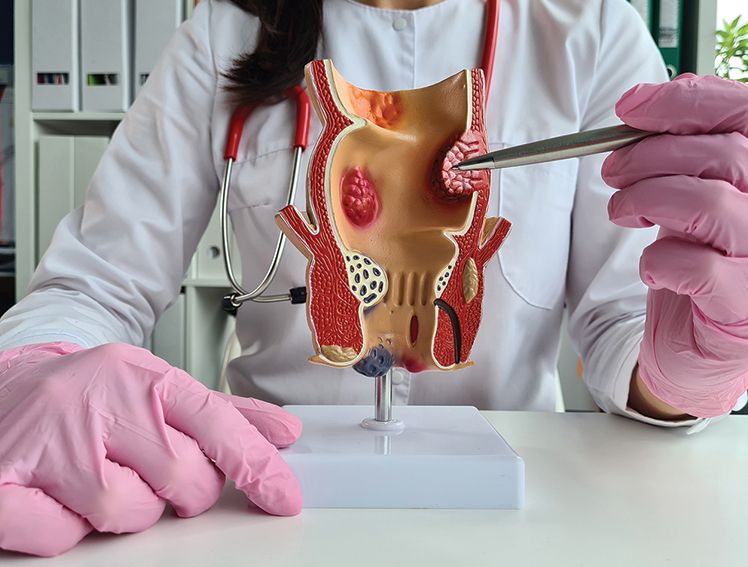
Piles are also known as hemorrhoids. Hemorrhoids are collections of inflamed tissue in the anal canal. They
contain blood vessels, support tissue, muscle, and elastic fibers. Piles are a medical condition in which blood vessels in the rectal mucosa dilate and form a mass in the anal canal. Sometimes they may feel outside the anus. This step is called prolapsed hemorrhoids.
Hemorrhoids are classified as internal and external hemorrhoids. Internal piles are located between 2 and 4 centimeters (cm) above the opening of the anus, and they are more commonly found in patients than external piles.
External piles occur on the outside edge of the anus. Hemorrhoids can occur due to pregnancy, increased
pressure caused by obesity, sitting or standing for long hours at a stretch, straining on the toilet, coughing,
sneezing, vomiting, and holding your breath while straining to do strenuous physical labor.
Piles incidence is common in both men and women. Those with improper diet habits and a sedentary lifestyle have a greater incidence of piles. According to recent health estimates, over 40% of the world's population suffers from piles, and as many as 40% of the population have experienced symptoms of the disease sometime in their life.
In India, approximately more than half of the patients are in the 21-50-year age group. Piles are also seen among pregnant women. Though it is not clear what the actual cause of haemorrhoids is, researchers think this might be an inherited condition of weak veins leading to hemorrhoid.
Advantages of Minimally Invasive procedure during Piles
It is very important to have a correct diagnosis first. So ask the patient to visit a doctor for a proper diagnosis. If detected early, piles can be cured with medication and lifestyle changes. In the later stages, surgery is a must, and various surgical procedures are available to treat the problem of piles.
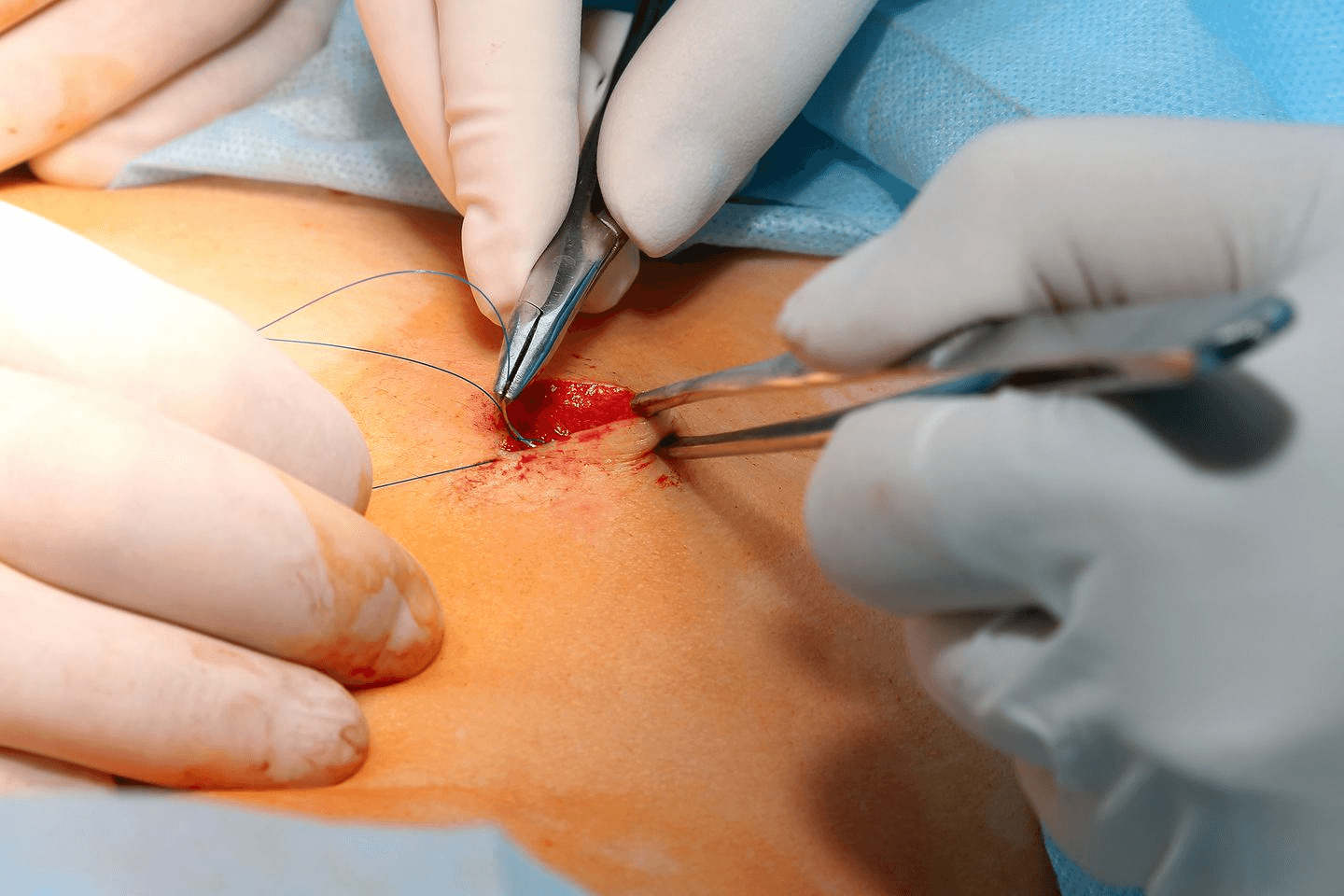
Mainly surgical options are classified as conventional, which we call the piles operation, and Minimally Invasive Procedure for Hemorrhoids (MIPH). For many years, patients with piles have been operated on through a conventional surgical approach. This approach will generally cost less but has various disadvantages, such as the patient may experience pain after the operation for 2-3 weeks, and might need a hospital stay after the operation for more than a week,
The surgical wounds need to be dressed for 2-3 weeks. On average, it takes 4-5 weeks for complete recovery, and the patient also needs frequent follow-up with the doctor. The minimally invasive procedure has recently
started being recommended by surgeons around the country. This operation is performed with the help of a
stapler device, and the patient may go home on the same day.
In India and globally, technological advances are driving rapid growth in the medtech sector. In
these changing times, Meril Life Sciences introduced the latest medical device, MIRUS HEMORRHOIDS STAPLER, which is 2 Rows and 3 Rows. It is a revolutionary three-row approach for the minimally invasive procedure for Prolapsed Hemorrhoids. Available in different sizes.
Keeping patients' comfort in mind, this stapler offers greater security, superior hemostasis, and ease of use, delivering optimal excision of prolapsed hemorrhoidal tissue.
Benefits of MIPH
It is less painful then surgery procedure
Faster recovery
Faster recovery of normal bowel function
Less postoperative care after discharge
Faster return to normal work