How a Hernia Develops Over Time: From Weak Muscle to Surgical Condition
Introduction
A hernia is not a sudden injury. It is a gradual process, often unfolding over months or even years. According to global estimates, approximately 20 million hernia repairs are performed annually, making hernia repair one of the most commonly performed surgical procedures worldwide.[1] Many people ignore early signs because they seem minor or temporary.
Most people do not even realise they have a hernia until it becomes impossible to ignore. This blog will walk through how a hernia develops, from weakness in the muscle wall to when surgery becomes an option.
What Causes the Initial Weakness?
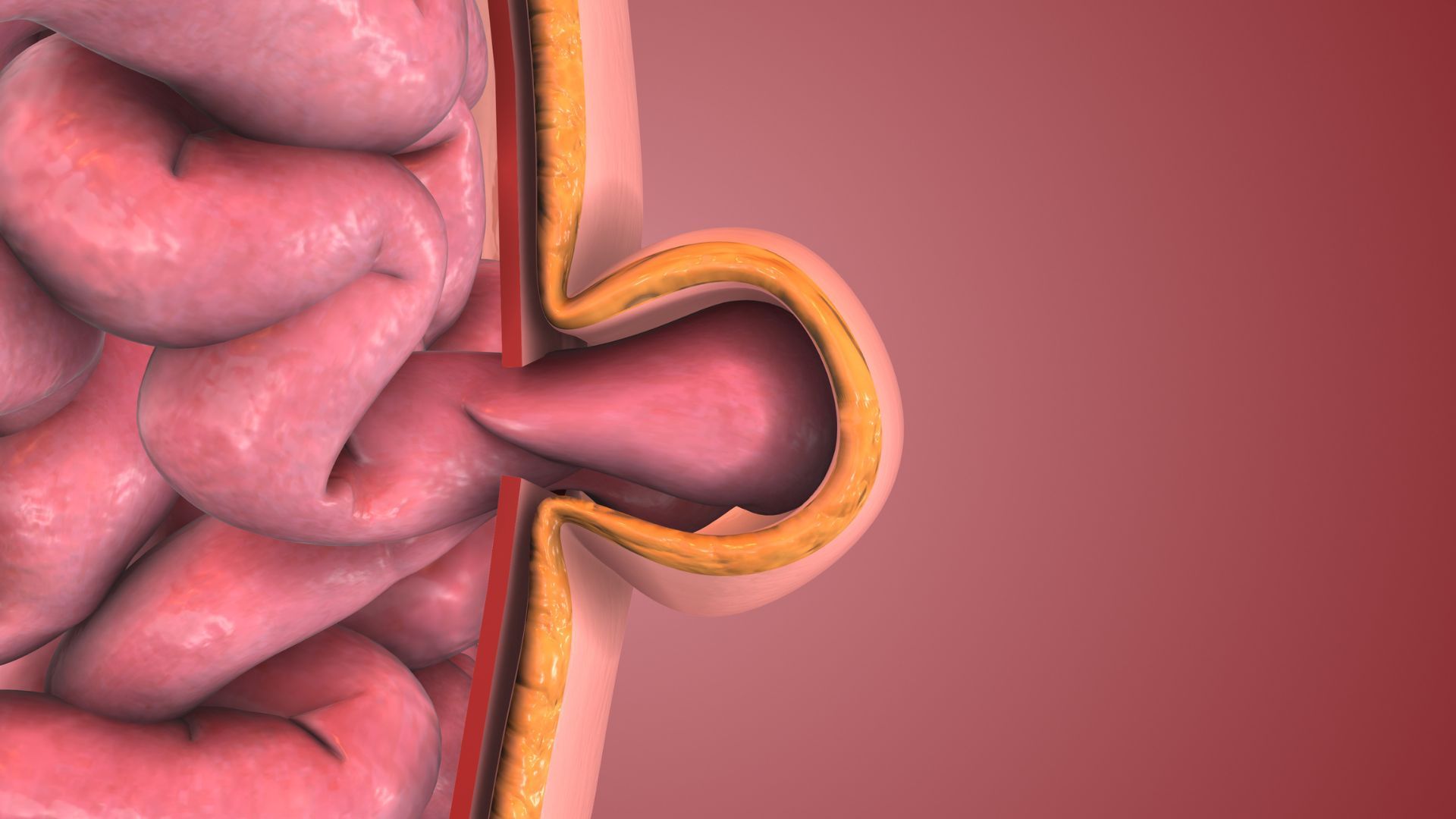
Think of the abdominal wall as a strong net holding all internal organs in place. When one part of that net starts to weaken or tear, the organs can push through that gap; that is essentially what a hernia is. A hernia begins when there is a defect or weakness in the muscle or tissue that normally holds organs in place.
Common causes of this weakness:
Genetics: Some people may be born with weak abdominal muscles or tissues.
Age: With age, there is a natural deterioration in muscle strength and elasticity.
Chronic pressure: Consistent pressure from heavy lifting, persistent coughing, chronic constipation, or even pregnancy can put ongoing pressure on the abdominal wall.
Previous surgery: A prior abdominal surgery can leave a weak spot at the incision site.
Obesity: Excess body weight places constant pressure on the abdominal muscles.
Every day triggers that worsen weakness:
Heavy lifting without support
Persistent coughing
Chronic constipation
Pregnancy
The Timeline of Hernia Development
Hernias have a gradual progression. Here is how they progress stage-by-stage.
Muscle Weakness Begins
A small defect or weak spot develops in the muscle wall. There may be no symptoms at all. It might feel a vague, occasional discomfort, easily mistaken for a muscle pull.
Initial Bulge Formation
The tissue or organ begins to push through the weakened area, especially during physical activity, coughing, or straining. A soft lump may appear and disappear when lying down.
Progressive Enlargement
The hernia sac grows larger with continued pressure. The bulge becomes more noticeable and may begin to cause regular discomfort or a dragging sensation.
Complication risk of hernia
The hernia may become harder to push back (irreducible). At this stage, blood supply to the trapped tissue can be compromised.
When Things Get Complicated
If untreated, a hernia can lead to serious complications.
Potential complications:
Incarceration: This is when the protruding tissue gets stuck outside the muscle wall and cannot be pushed back in.
Intestinal obstruction: Blocks food passage in the intestine
Strangulation: This is the most dangerous complication. When a hernia is incarcerated for too long, the blood supply to the organ or tissue can be cut off.[2] Within hours, the tissue can begin to die.
Warning signs of complications:
Sudden, severe pain at the hernia site
The bulge is becoming hard and very tender to touch.
Nausea, vomiting, and fever
Skin over the bulge is turning red or dark.
Why Hernias Worsen Over Time
Hernias tend to enlarge if left untreated because the underlying weakness does not heal on its own. Here is why hernias tend to worsen progressively:
Every time you cough, sneeze, strain, or lift something heavy, more pressure is applied to the hernia, slowly enlarging it.
Gravity works against; standing and walking all day pushes the contents further through the gap.
The muscle tissue around the defect can become further stretched and weakened over time.
The hernia sac expands with each episode of increased abdominal pressure.
Types of Hernias and How They Progress Differently
Type of Hernia | Common Location | Typical Progression Pattern | Risk Level |
Inguinal Hernia | Groin | Gradual bulge, worsens with activity | Moderate |
Umbilical Hernia | Around navel | May remain small or enlarge over time | Low–Moderate |
Incisional Hernia | Surgical scar site | Develops months/years after surgery | Moderate |
Hiatal Hernia | Upper stomach | Internal, often linked to reflux | Variable |
Femoral Hernia | Upper thigh/groin | Smaller but higher complication risk | High |
According to the NHS, inguinal hernias are the most common, especially in men. [3] While femoral hernias, though less common, are more likely in women than men. [3]
Early Signs Most People Ignore
This is where many people go wrong. The early signs of a hernia are often so mild that they are brushed off as 'just a pulled muscle' or 'tiredness.' Knowing what to watch for can make a huge difference.
Early warning signs include:
A small lump that appears when standing or coughing
Discomfort during lifting or bending
Feeling of heaviness in the abdomen
Burning, sharp pain that goes away when lying down.
Why are these signs overlooked?
Pain is minimal or absent.
The bulge disappears when lying down.
Symptoms come and go.
This delay is significant. Many patients present only when symptoms interfere with daily life, by which time the hernia has progressed.
When Surgery Becomes Necessary
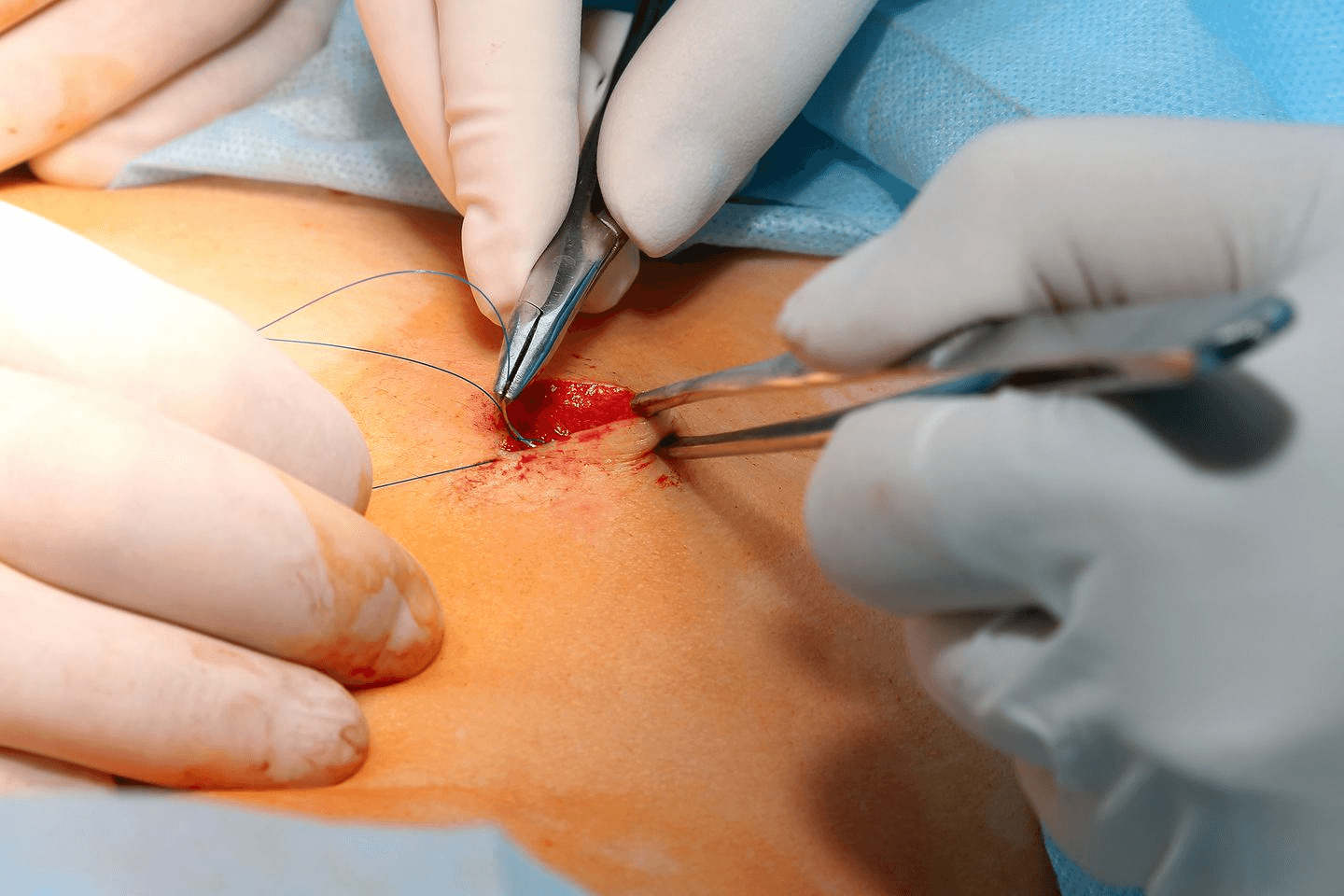
Surgery is not always the immediate answer, but in most cases, it becomes unavoidable. The doctor will evaluate it based on the hernia's size, type, symptoms, and risk of complications. Surgery is recommended when:
The hernia is increasing in size
Pain affects daily activities
There are signs of complications
The hernia cannot be pushed back
Today, hernia repairs are commonly performed using minimally invasive laparoscopic techniques. Recovery times are much shorter compared to open surgery, and most patients can return to their day-to-day activities within 1 to 2 weeks.
In India, hospitals and surgical centres equipped with advanced laparoscopic technology have made hernia surgery more accessible than ever before, even in Tier-2 and Tier-3 cities.
At the same time, innovations from Meril, such as the Filaprop3D mesh, are helping surgeons achieve stronger abdominal wall reinforcement, which can contribute to improved recovery and more stable long-term outcomes.
Benefits of timely surgery:
Prevents complications
Reduces recurrence risk
Improves quality of life
Conclusion
A hernia may begin as nothing more than a microscopic weak spot in the muscle wall. But left unaddressed, it can grow from a minor inconvenience into a potentially life-threatening surgical emergency.
If you notice a bulge, feel unusual pressure in the abdomen or groin, or have any of the warning signs we discussed, do not delay; speak to a doctor. Today's hernia surgery is safer, quicker, and has had better outcomes than before. The sooner you address the issue, the less complicated the procedure will be. Pay attention to your body's message and take action when necessary.