

























Mitral Valve Regurgitation: Causes, Symptoms, Diagnosis & Treatment
Introduction
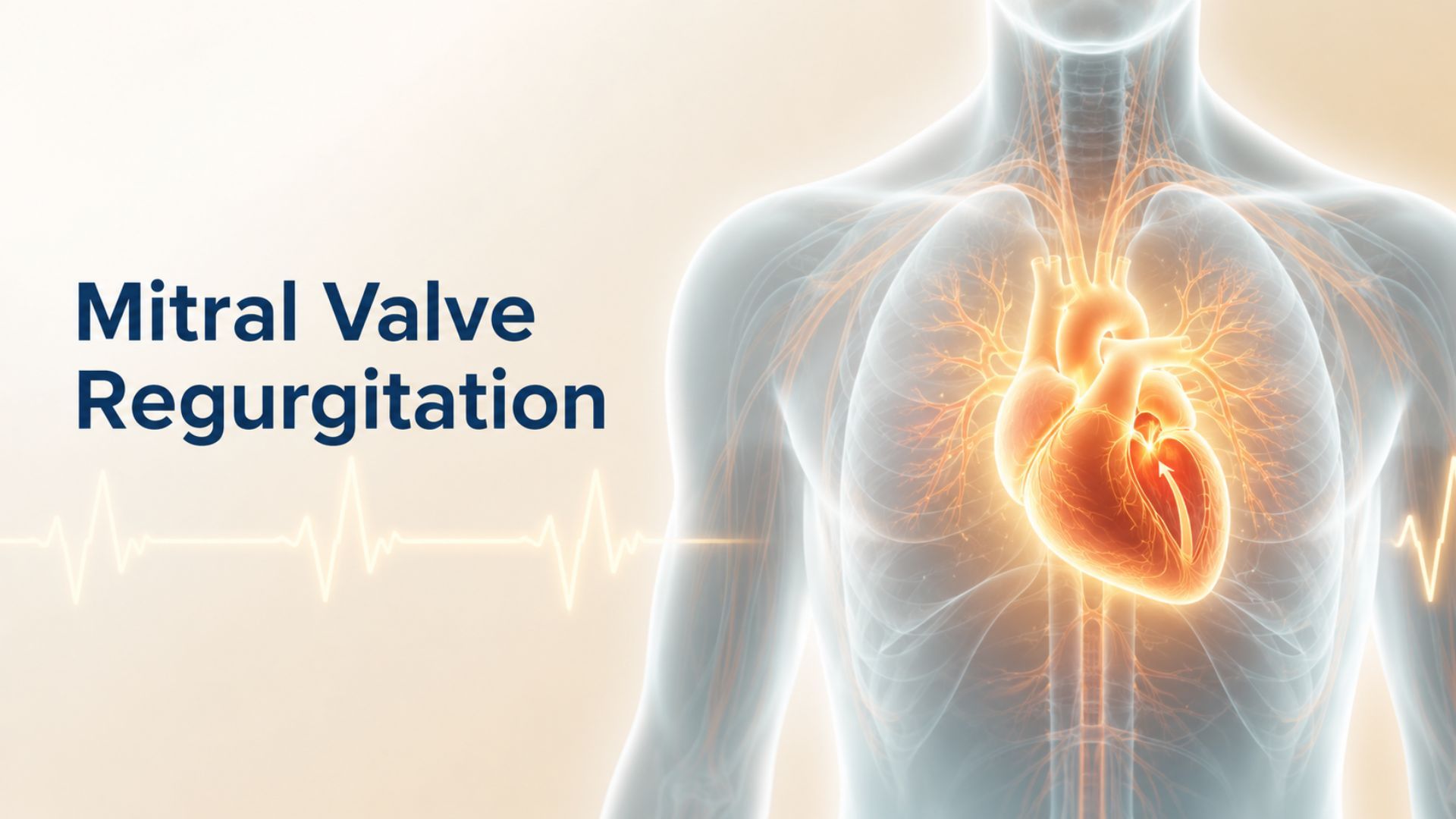
When discussing heart conditions, mitral valve regurgitation is often overlooked. In simple terms, it means the mitral valve does not close completely, causing blood to move back into the heart’s left atrium. This can cause your heart to work harder and, if left untreated, lead to fatigue, breathlessness, or swelling. Let's delve deeper into this condition, including its causes, symptoms, and treatment options.
What Is Mitral Valve Regurgitation?
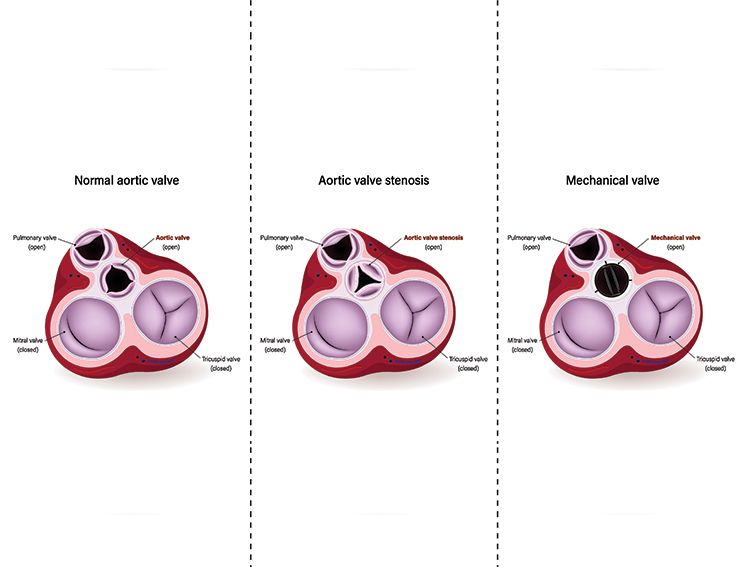
The heart contains four valves that help direct blood flow. The mitral valve sits between the left atrium and the left ventricle and helps keep blood moving forward. If it leaks, the heart must pump extra blood to deliver to your body. Utilising extra muscles, although useful for added effort, can burden the heart over time and yield symptoms that affect quality of life.[1]
Common Causes of Mitral Valve Regurgitation
Some leading mitral valve regurgitation causes include:
Valve abnormalities like mitral valve prolapse
Past infections, such as rheumatic fever
Heart muscle damage after a heart attack
Valve wear and tear due to aging
Infections inside the heart, known as endocarditis
Birth defects leading to malformed valves
Each cause may play a role in how and when symptoms appear.
Types of Mitral Valve Regurgitation
There are two main types of mitral valve leaks. Primary mitral valve regurgitation happens when the valve itself is damaged, often due to aging or prolapse. Secondary mitral valve regurgitation occurs when the valve is normal, but the surrounding muscle is stretched and/or weakened. This affects how the valve itself works. Treatment will depend on the type and severity of secondary mitral valve regurgitation.[2]
Signs and Symptoms to Watch Out for Every Day
Early stages can be silent, but as things progress, pay attention to:
Breathlessness when lying down or walking
Tiredness with little effort
Swelling in the ankles or feet
Fluttering, irregular heartbeat
Feeling light-headed or dizzy
Chest discomfort (not always present)
These are key symptoms of mitral valve regurgitation.
Mitral Valve Regurgitation in Children and the Elderly
Age Group | Common Causes | Key Symptoms to Watch Out For |
Children |
|
|
Elderly Adults |
|
|
How Mitral Valve Regurgitation Is Diagnosed?
Doctors use several methods to find out if the mitral valve is leaking:
Physical exam – checking for a heart murmur
Echo test – the best tool for mitral valve regurgitation diagnosis
ECG – to track heartbeat patterns
Chest X-ray – shows the heart's size and shape
Stress test – checks how the heart performs under exertion
Often, a combination of these will yield an accurate diagnosis.
Treatment Options for Mitral Valve Regurgitation to Consider
Managing this condition depends on its degree of severity. It may include:
Watchful waiting with regular scans for mild cases
Medicine to ease symptoms, control pressure, or manage rhythm
Valve repair surgery – preferred when the valve can be fixed
Valve replacement – needed if damage is too serious
Minimally invasive procedures for those unsuitable for open surgery
Decisions rely on test results, age, and overall health.
Can Mitral Valve Regurgitation Be Prevented?
While not always avoidable, some habits may reduce the risk:
Keep blood pressure and blood sugar in check
Watch your heart health with regular check-ups
Treat infections promptly, especially strep throat
Stop smoking, reduce alcohol consumption
Get some good meals and exercise most days
These lifestyle changes support overall heart health.
Living with Mitral Valve Regurgitation: What to Expect
People with mild mitral valve regurgitation might usually need regular follow-up visits and heart-healthy habits. However, if the valve leak is more severe, treatment may help ease symptoms and support a better quality of life. The most crucial part is that you maintain regular contact with your cardiologist and follow recommended care when needed.
Diet and Lifestyle Advice for Valve Health and Wellness
Here are some ways to support heart valve wellness:
Include daily:
Fresh fruits and vegetables
Whole grains, legumes, and seeds
Healthy fats like nuts and oils
Limit:
Salt, sugary drinks, processed snacks
Avoid:
Smoking and staying still for hours
Stay active:
Walks, gentle yoga, or breathing exercises
These routines help the heart function properly and maintain valve health.
When to See a Doctor?
Make an appointment if you experience:
Breathlessness during normal tasks
Noticeable swelling in the ankles or legs
Rapid or irregular heartbeat
Feeling more tired than usual
Chest pain or a feeling of tightness
Early diagnosis of mitral valve regurgitation can make all the difference.
MyClip by Meril Life
The MyClip TEER System by Meril Life is a transcatheter device designed for the treatment of mitral valve regurgitation. Delivered via a vein, the device helps the valve leaflets come together more effectively, reducing mitral valve leakage. This enhances blood flow and reduces strain on the heart. It is a safe, minimally invasive option for patients who are not candidates for major surgery. Recovery is typically quick, and most people feel better within a few days.
Conclusion
Mitral valve regurgitation may not be a term you encounter every day, but understanding its signs and treatment options will help you take charge of your heart health. If you remain aware of the causes, be on the lookout for symptoms, and keep up with your check-ups, you can diagnose it at an early, manageable stage. With proper medical care and a heart-healthy lifestyle, it's absolutely possible to lead a full and active life.