

























What Are the Common Signs and Symptoms of Mitral Valve Regurgitation?
Introduction
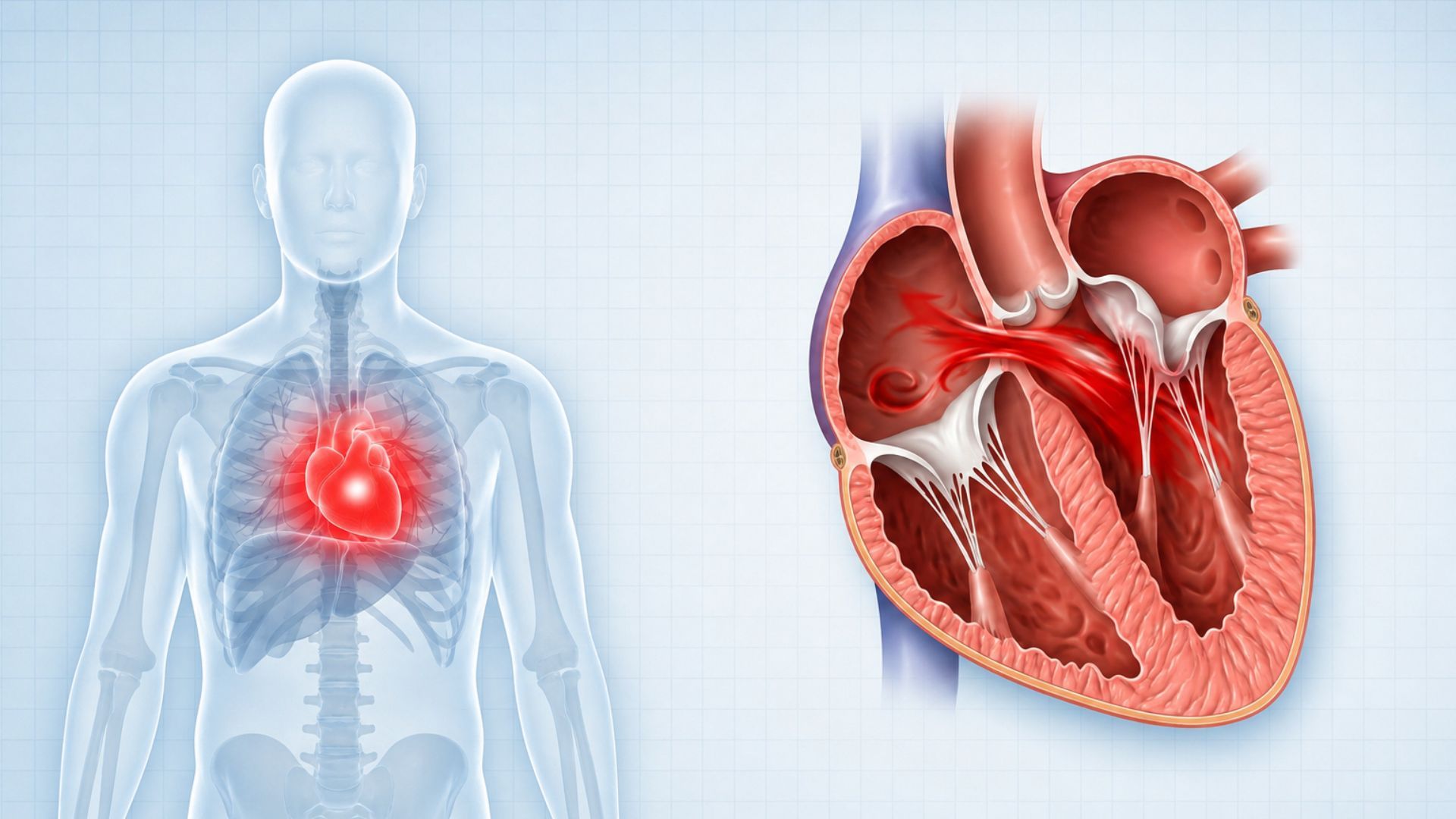
Mitral valve regurgitation symptoms can start off mild, but over time, they may affect your breathing, energy, and overall well-being. This condition occurs when the mitral valve in your heart does not close properly, allowing blood to leak backwards. Even if you feel fine now, recognising the early signs can help you avoid serious heart complications later. Please refresh this line.
Why Paying Attention to Early Symptoms Matters?
Your heart may initially compensate for the leaking valve, masking early signs. However, ignoring these early symptoms of mitral valve regurgitation can lead to worsening heart function.
Early signs may seem harmless, such as getting tired faster, but they are your body's way of telling you something isn't right[2]. When recognised early, the condition can be monitored or managed before it becomes severe. Early diagnosis may also help avoid more invasive treatments later.
Mild/Moderate Symptoms Often Missed in Early Stages
Understanding the difference between mild/moderate symptoms and severe ones can help you decide when to seek medical help.
Symptom Level | Mild/Moderate Symptoms | Advanced Symptoms |
Breathing | Shortness of breath during exertion | Trouble breathing even at rest or lying down |
Energy | Fatigue after mild activity | Constant tiredness, regardless of activity |
Swelling | Mild ankle swelling | Noticeable swelling in the legs or abdomen |
Heart Rhythm | Occasional flutter or skipped beats | Frequent palpitations or a racing heartbeat |
Murmur Symptoms That May Signal Mitral Valve Regurgitation
When your mitral valve is leaking, your body shows physical signs.
Shortness of breath after climbing stairs or walking
Feeling tired more easily than before
Mild puffiness in the ankles or feet
Palpitations or a fluttering heartbeat
Light-headedness, especially when getting up
If these signs are new or getting worse, it may be time to see a doctor. These are often the first signs of a heart valve issue and may be linked to murmur symptoms.
Unnoticed or Silent Symptoms That Can Be Missed
Many people with mitral valve regurgitation symptoms don't know they have them. This is especially common in the early stages.
You might start needing longer breaks when tasks you once did easily become more challenging. That slight breathlessness at night or mild bloating in your belly may seem unrelated, but they could be early signs of valve trouble. Sleep might be disturbed, or you might wake up gasping for air. If you're noticing these changes, don't ignore them.
Progression of Symptoms over Time
As the condition worsens, symptoms of mitral valve regurgitation become more pronounced. This progression occurs gradually and may go unnoticed unless you closely track your health.
You begin to feel tired with less physical effort
Swelling appears more often and lasts longer
Breathlessness occurs even when sitting still
You may find lying flat uncomfortable
Your heart feels like it's racing or skipping
The earlier you recognize these patterns, the better you can manage them.
How Symptoms Can Impact Quality of Life
Living with this condition daily can reduce your energy and joy in doing things you love. Fatigue may keep you from spending time with family or enjoying your hobbies. Even walking short distances may leave you breathless. This drop in physical ability can also lead to anxiety or depression. The longer these symptoms persist, the more they affect both physical and emotional health.
Signs That Warrant Immediate Medical Attention
Some signs indicate that the condition has reached a critical point. If you notice these, seek help right away:
Sudden chest discomfort or pressure
Severe shortness of breath, especially when lying down
A racing heart that won't slow down
Fainting or near-fainting
Rapidly increasing swelling in your legs or abdomen
These symptoms could signal advanced valve failure or complications such as arrhythmia or fluid buildup in the lungs [2].
MyClip by Meril Life
MyClip by Meril Life is a minimally invasive device designed to repair a leaky mitral valve. It works by gently clipping the valve edges together through a small tube inserted into the blood vessel. This helps stop the backward flow of blood and restore a normal heartbeat, all without open‑heart surgery. Most patients recover within a few days and can return to light activities soon.
Conclusion
Your heart may not always shout when something's wrong. By recognising those early symptoms of mitral regurgitation, your risk of developing serious heart disease can be minimized. Don't dismiss breathlessness, swelling or fatigue. These may seem like minor changes, but they are usually evidence that your heart is working harder than it ought to. Timely treatment, consistent care and awareness matter!