National Vascular Day: How Prevention Starts with Every Step
Introduction
National Vascular Day reminds us of the importance of healthy blood vessels in maintaining good health and wellness, while also raising awareness about preventing avoidable limb loss from vascular disease. Although discussions of vascular diseases often focus on treatment, the observance also highlights the importance of prevention and early detection. One of the simplest ways to support vascular health is by staying physically active, with walking being an easy yet effective habit to adopt.
Walking is one of the simplest and most effective forms of physical activity to support healthy blood circulation and overall cardiovascular health. With the increasing burden of vascular diseases in India, adopting healthy habits such as regular walking can help reduce risk factors and support long-term vascular well-being.
This National Vascular Day, the focus is on taking more steps—and informed ones—towards greater awareness, timely intervention, healthier blood vessels, and ultimately, reducing the risk of preventable complications, including limb loss.
Walking Is Emerging as a Powerful Marker of Vascular Health
The easiest yet highly effective way to maintain vascular health is walking. This type of exercise has positive effects on blood circulation, helps keep blood pressure in the normal range, and improves cardiovascular health. Regular walking can also help reduce risk factors for many vascular disorders.
How walking supports vascular health
Benefit | How it helps |
Improves circulation | Enhances blood flow throughout the body. |
Supports heart health | Helps maintain healthy blood pressure and heart function. |
Manages metabolic risk | Aids in controlling blood sugar and cholesterol levels. |
Protects blood vessels | Supports the health of the blood vessel lining (endothelium).[2] |
Promotes healthy ageing | Helps preserve mobility and overall cardiovascular fitness. |
Beyond prevention, walking can also serve as an early indicator of vascular health. Persistent leg pain, cramping, or reduced walking endurance should not be dismissed as normal ageing, as they may point to an underlying vascular condition that requires medical attention. Seeking timely medical evaluation can help detect vascular disease early, improving treatment outcomes and, in some cases, preventing serious complications such as avoidable limb loss.
India's Growing Vascular Disease Burden Calls for a Preventive Mindset
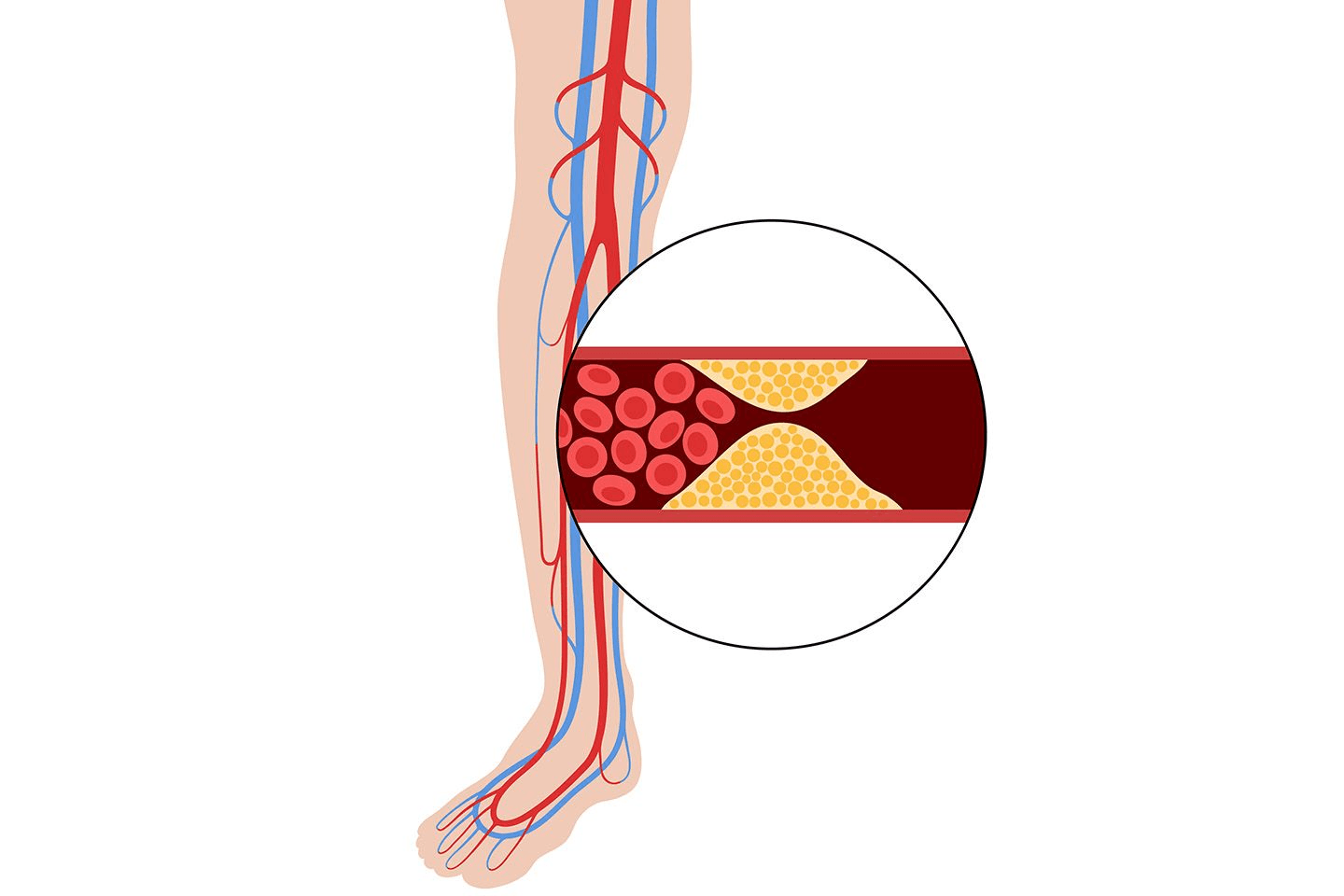
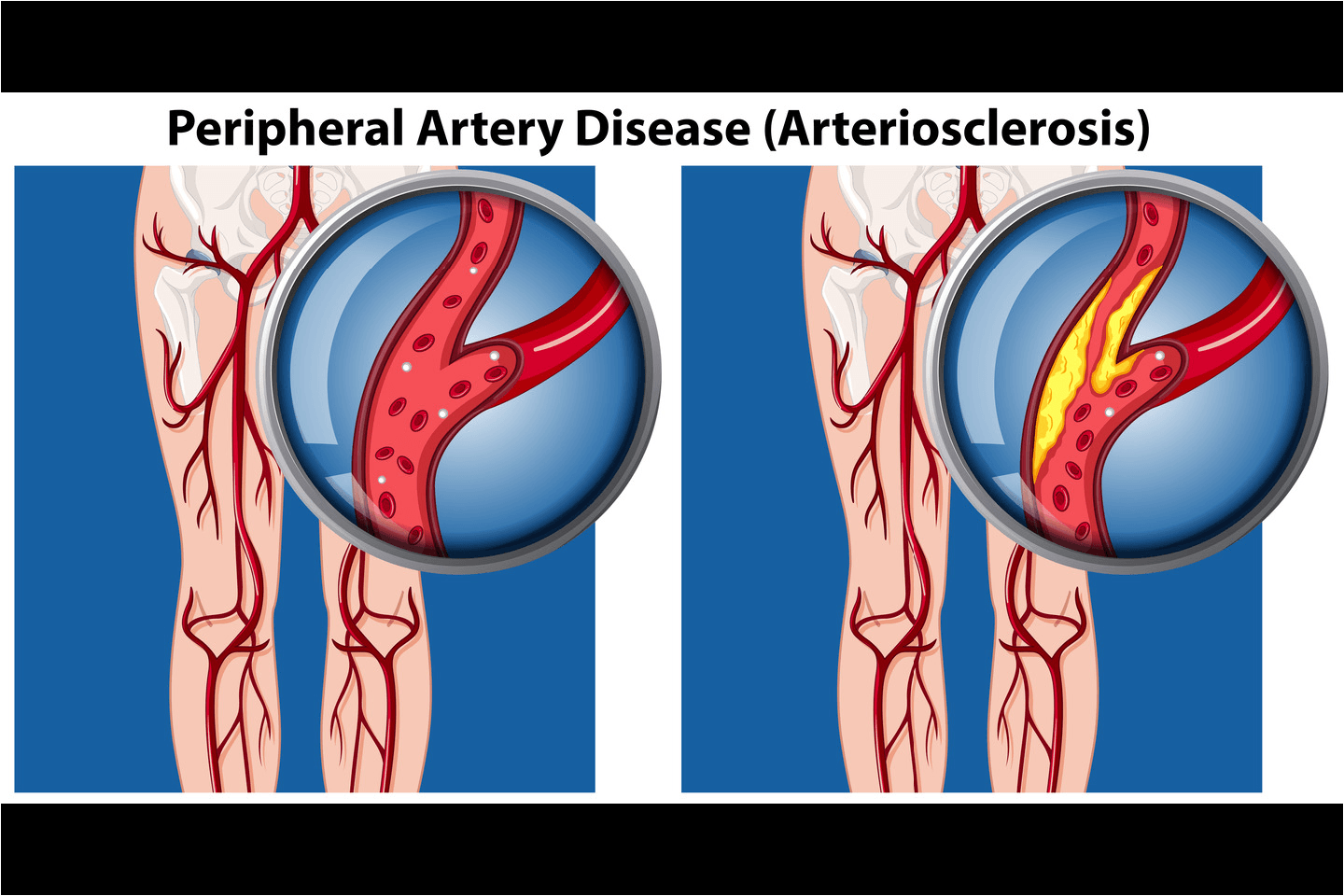
India is facing a steady rise in vascular disease,[1] driven by lifestyle changes and an increasing prevalence of chronic conditions. Risk factors continue to place millions at greater risk of vascular complications. If left undiagnosed or untreated, some vascular conditions can progress to chronic wounds, critical limb ischaemia, and in severe cases, may increase the risk of avoidable limb loss.
Key factors contributing to the growing burden
Rising diabetes rates
Sedentary lifestyles
Hypertension and high cholesterol
An ageing population
Despite these risks, vascular health often receives less attention than Heart health. Building a preventive mindset means encouraging regular physical activity, increasing awareness of vascular risk factors, and promoting timely health screenings before complications develop.
This shift from treating disease to preventing it is essential for improving long-term health outcomes and reducing the burden on healthcare systems.
Prevention Begins Long Before Symptoms Appear
A great challenge in vascular care is that many conditions develop gradually and may not produce noticeable symptoms in their early stages. By the time warning signs such as persistent leg pain, non-healing wounds, or reduced mobility appear, vascular disease may already have progressed significantly.
This is why prevention starts well before symptoms become evident. Early recognition of vascular disease not only improves treatment outcomes but can also help preserve limb function and reduce the risk of avoidable amputations in individuals with advanced disease.
Regular physical activity, good nutrition, and proper management of chronic illnesses all help keep blood vessels healthy. Periodic medical examinations are also an important component of prevention, as they help detect risks before complications occur.
For individuals at higher risk, early risk assessment becomes even more important. Timely screening and appropriate clinical guidance can support earlier intervention and improve long-term outcomes.
Shifting the focus from disease management to disease prevention has the potential to lessen the clinical and economic burden associated with vascular disorders while improving quality of life across populations.
From Lifestyle Choices to Lifelong Vascular Health
There is no quick fix for maintaining healthy blood vessels; rather, vascular health is built through small, consistent lifestyle choices made every day. Walking regularly is still one of the easiest and best things you can do. It can be as simple as including a walk during the day at work, taking the stairs rather than an elevator, or going outdoors each day.
However, walking is most effective when combined with other healthy practices, including:
Maintaining a balanced diet rich in fruits, vegetables, whole grains, and healthy fats.
Keeping blood pressure, cholesterol, and blood glucose within recommended ranges.
Avoiding tobacco products.
Managing stress through healthy coping strategies.
Prioritising routine preventive health check-ups.
Importantly, prevention should not be viewed as a short-term objective but as a lifelong commitment. Healthy habits established today can help preserve vascular function, mobility, and independence for years to come.
The message of National Vascular Day reinforces this idea: every step taken today contributes to healthier outcomes tomorrow, helping reduce the risk of serious vascular complications, including avoidable limb loss.
Innovation Is Strengthening the Future of Preventive Vascular Care
While prevention remains the foundation of vascular health, innovation continues to transform how vascular diseases are detected, monitored, and treated.
Advances in diagnostic imaging, minimally invasive endovascular procedures, and specialised vascular devices are enabling physicians to identify disease earlier and deliver more precise interventions. These innovations also play an important role in restoring blood flow, preserving limb function, and reducing the need for major amputations in appropriate patients. Together, these developments improve clinical outcomes while helping to preserve mobility, reduce recovery times, and enhance patients' quality of life. Healthcare is increasingly shifting from responding to complications towards identifying risk earlier and intervening before significant disease progression occurs.
Innovation alone cannot replace healthy lifestyle choices. However, when combined with greater awareness and preventive action, it creates a stronger foundation for improving vascular health at both individual and population levels.
Conclusion
The message behind National Vascular Day is both simple and timely: prevention starts with every step. Walking is not merely a daily activity; it is an investment in healthier blood vessels, better circulation, and long-term well-being.
With vascular diseases becoming increasingly common in India, building a culture of prevention through greater awareness, healthier lifestyle choices, timely risk assessment, and continued medical innovation is more important than ever. Such efforts can help reduce the burden of vascular disease, preserve mobility and limb health, and improve quality of life for countless individuals.
This National Vascular Day, every step forward is a step towards healthier blood vessels, greater awareness, and a future with fewer preventable vascular complications, including avoidable limb loss.