
























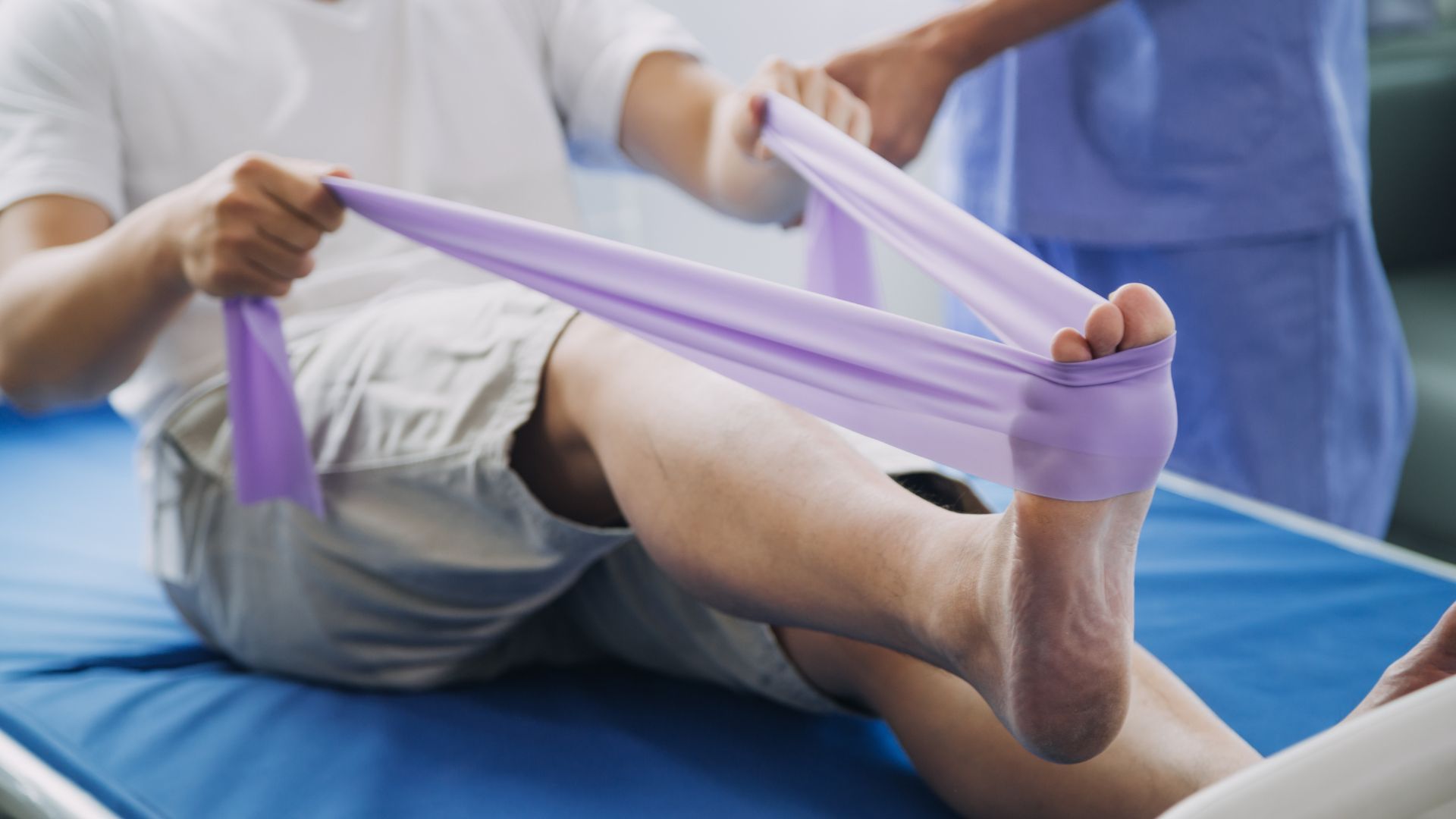
Physiotherapy after Trauma: Why it’s Critical
Introduction
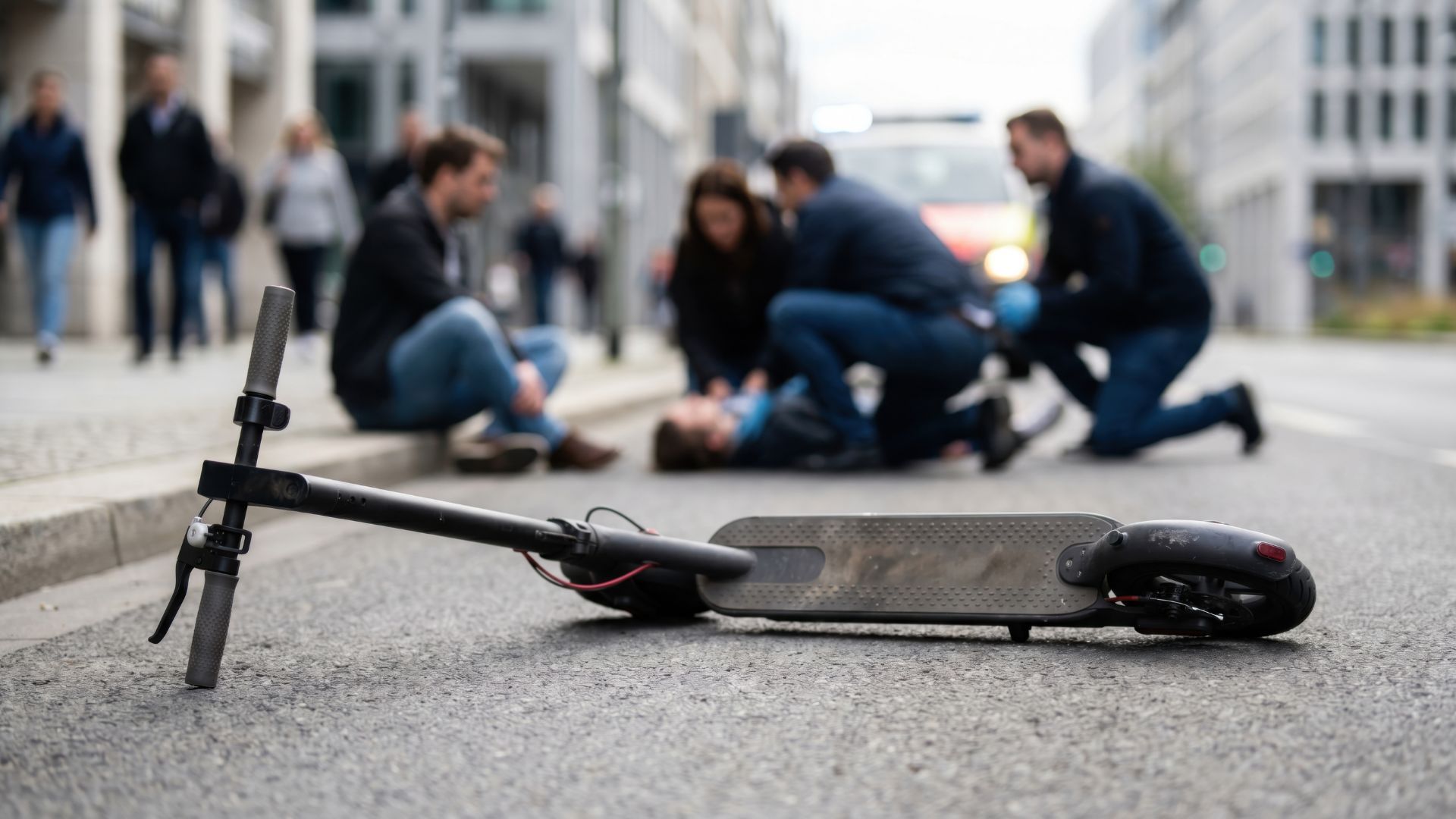
Recovering from trauma is often a gradual process. While emergency care helps stabilize the condition, physical recovery may continue for weeks or months. Simple activities like walking, standing, or climbing stairs can feel challenging during this phase. This is where physiotherapy after trauma becomes important. It may help improve mobility, flexibility, balance, and overall physical function through guided rehabilitation.
Many individuals experience weakness, stiffness, or reduced movement confidence after trauma. Structured rehabilitation programs focus on restoring physical ability and improving independence over time. According to the World Health Organization, injuries account for nearly 4.4 million deaths globally every year, while millions more live with temporary or permanent disability requiring rehabilitation.¹
What Is Trauma Rehabilitation?
Trauma rehabilitation refers to the recovery process that focuses on restoring physical function after trauma, surgery, or mobility-related physical limitations. The rehabilitation approach may vary depending on the condition, recovery stage, and the individual's movement ability.
Common conditions requiring trauma rehabilitation
- Road accident trauma
- Sports-related physical trauma
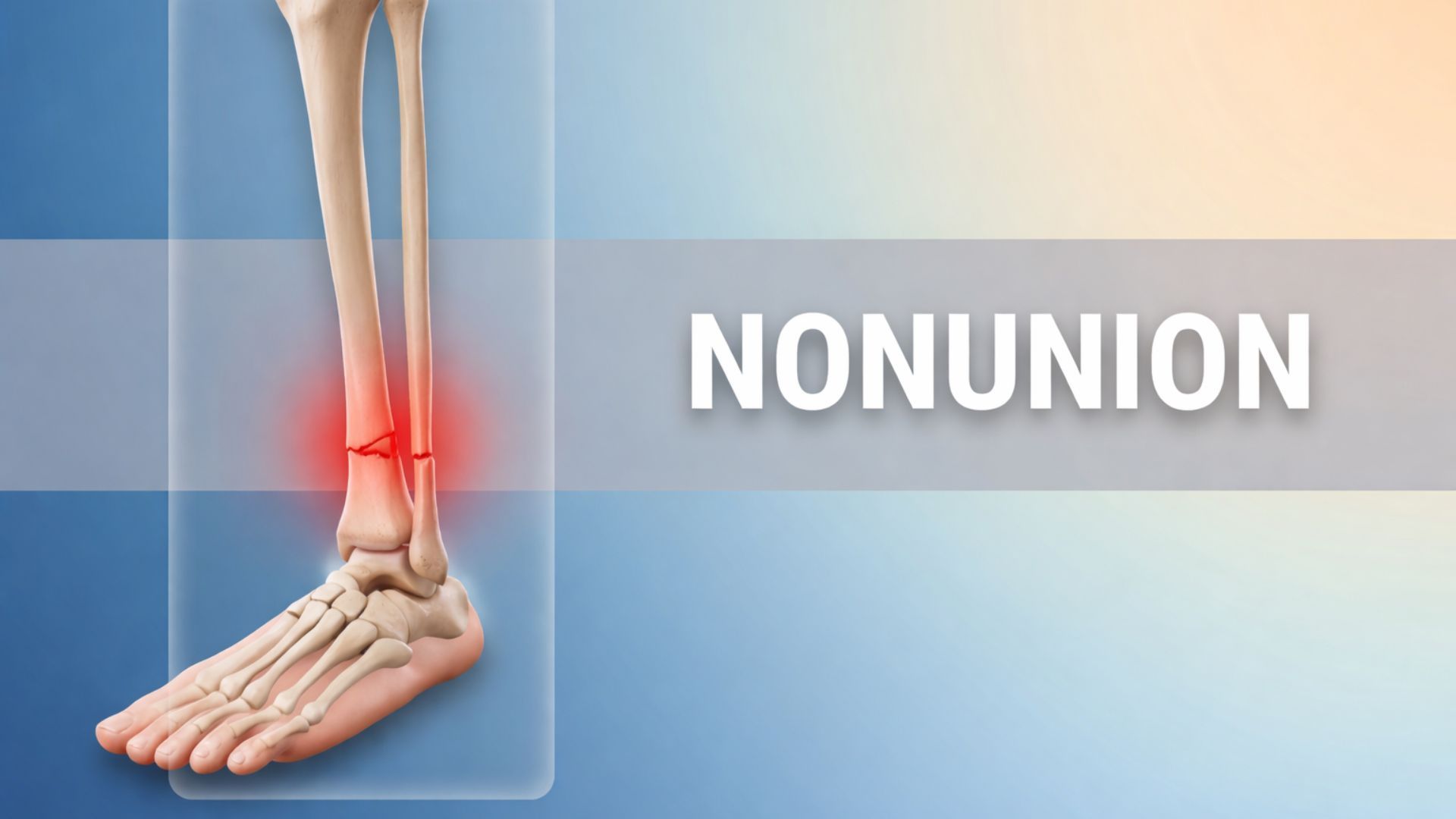
- Fractures and joint conditions
- Muscle or ligament damage
- Spine-related physical limitations
- Workplace-related trauma
- Post-surgical rehabilitation
- Soft tissue recovery support
Why Physiotherapy After Trauma Matters
Physical trauma can affect the body’s ability to perform routine activities efficiently. Reduced flexibility, muscle imbalance, and limited coordination may affect overall physical performance during recovery. Physiotherapy after trauma focuses on helping individuals adapt to these physical changes. Instead of focusing solely on exercise, rehabilitation programs often aim to restore functional movement patterns and physical stability. The rehabilitation process may also help individuals improve posture, body mechanics, and activity tolerance at different stages of recovery.
Evidence suggests that early and structured rehabilitation following musculoskeletal trauma can improve functional outcomes, mobility, and independence while reducing the risk of long-term disability.² Beginning physiotherapy at an appropriate stage of recovery, as advised by the treating healthcare team, may help individuals regain physical function more effectively.
Benefits of physiotherapy after trauma
- Encourages safer body mechanics
- Helps restore functional independence
- Assists with daily activity performance
- Improves physical adaptability
- Encourages structured rehabilitation progression
- Helps reduce physical inactivity
- Supports routine movement efficiency
- Assists long-term physical conditioning
Why consistent rehabilitation matters
Recovery after trauma often requires structured progression over an extended period of time. Irregular rehabilitation routines may affect physical progress and delay adaptation to normal daily activities. Structured physical therapy after injury usually focuses on maintaining steady rehabilitation progress through guided and supervised recovery sessions. This approach may help individuals gradually adjust to routine physical demands more effectively.
The need for rehabilitation extends beyond individual injuries, with the World Health Organization estimating that approximately 2.6 billion people worldwide could benefit from rehabilitation services during the course of an illness or injury. This highlights the growing importance of accessible and structured rehabilitation programmes.³
Stages of Post Trauma Physiotherapy
Post trauma physiotherapy usually happens in phases. Each phase focuses on different rehabilitation goals.
Early recovery stage
- Gentle mobility exercises
- Swelling management routines
- Light flexibility activities
- Basic posture correction
- Controlled body movement practice
Strength recovery stage
- Muscle conditioning exercises
- Joint movement activities
- Balance-focused training
- Guided coordination exercises
- Functional rehabilitation routines
Functional recovery stage
- Walking improvement exercises
- Stair movement practice
- Daily activity rehabilitation
- Endurance-focused routines
- Long-term mobility planning
The rehabilitation activities listed above are provided for general informational purposes only. The most appropriate recovery plan, exercise progression, and rehabilitation approach should always be recommended and supervised by a qualified physiotherapist or healthcare professional based on the individual's condition and recovery stage.
Challenges Faced During Recovery
Recovery after trauma may affect more than physical strength. Many individuals also experience difficulty adapting to changes in their daily routine. Reduced activity levels may sometimes affect confidence during routine movement and physical tasks. Returning to work, household activities, or regular movement patterns may take time.
Common recovery-related challenges
- Difficulty performing routine activities
- Reduced physical confidence
- Fatigue during movement
- Fear of losing balance
- Difficulty standing for long durations
- Limited activity tolerance
- Reduced physical independence
- Discomfort during body movement
How Physical Therapy After Injury Helps Daily Activities
Physical therapy after injury often focuses on improving practical body movement during routine activities. The goal is usually to help individuals perform daily tasks with better comfort and stability. Rehabilitation programs may also help individuals adjust gradually to physical activity demands.
Daily activities rehabilitation may improve
- Getting in and out of bed with better control
- Moving from sitting to standing more comfortably
- Practising safe turning and body transitions
- Improving balance during routine movements
- Managing short walking distances in daily settings
- Performing basic household movements with more stability
- Rebuilding confidence while changing positions
- Gradually adapting to everyday physical tasks
Understanding Trauma Recovery Treatment
Trauma recovery treatment often involves different healthcare professionals working together during the rehabilitation process. Depending on the condition, recovery programs may include physiotherapists, orthopedic specialists, rehabilitation experts, and mobility trainers. The recovery approach may also change over time based on physical progress and daily activity levels. In many cases, rehabilitation focuses not only on physical improvement but also on helping individuals adapt safely to routine activities again.
Studies suggest that timely physiotherapy following trauma may support improvements in mobility, independence, and quality of life while helping reduce long-term functional limitations.⁴
Conclusion
Trauma recovery extends far beyond the initial medical or surgical treatment. Whether recovering from fractures, road traffic injuries, sports trauma, or other musculoskeletal injuries, physiotherapy plays an important role in restoring movement, strength, balance, and functional independence. A structured rehabilitation programme, guided by a qualified physiotherapist and tailored to the individual's injury and recovery stage, can support a safe return to daily activities while helping minimise long-term physical limitations. Early intervention, consistency, and personalised care remain key to achieving the best possible functional recovery.
Disclaimer: This blog is intended for general informational purposes only; individuals should consult a qualified physiotherapist or healthcare professional for assessment and guidance suited to their specific condition.
FAQs


References
- World Health Organization. Injuries and Violence Facts. https://www.who.int/news-room/fact-sheets/detail/injuries-and-violence
- World Health Organization. Rehabilitation. https://www.who.int/news-room/fact-sheets/detail/rehabilitation
- World Health Organization. Rehabilitation 2030 Initiative. https://www.who.int/initiatives/rehabilitation-2030
- American Physical Therapy Association. Guide to Physical Therapist Practice and Trauma Rehabilitation. https://www.apta.org