















Why Trauma Awareness Should Be a Public Health Priority
Introduction
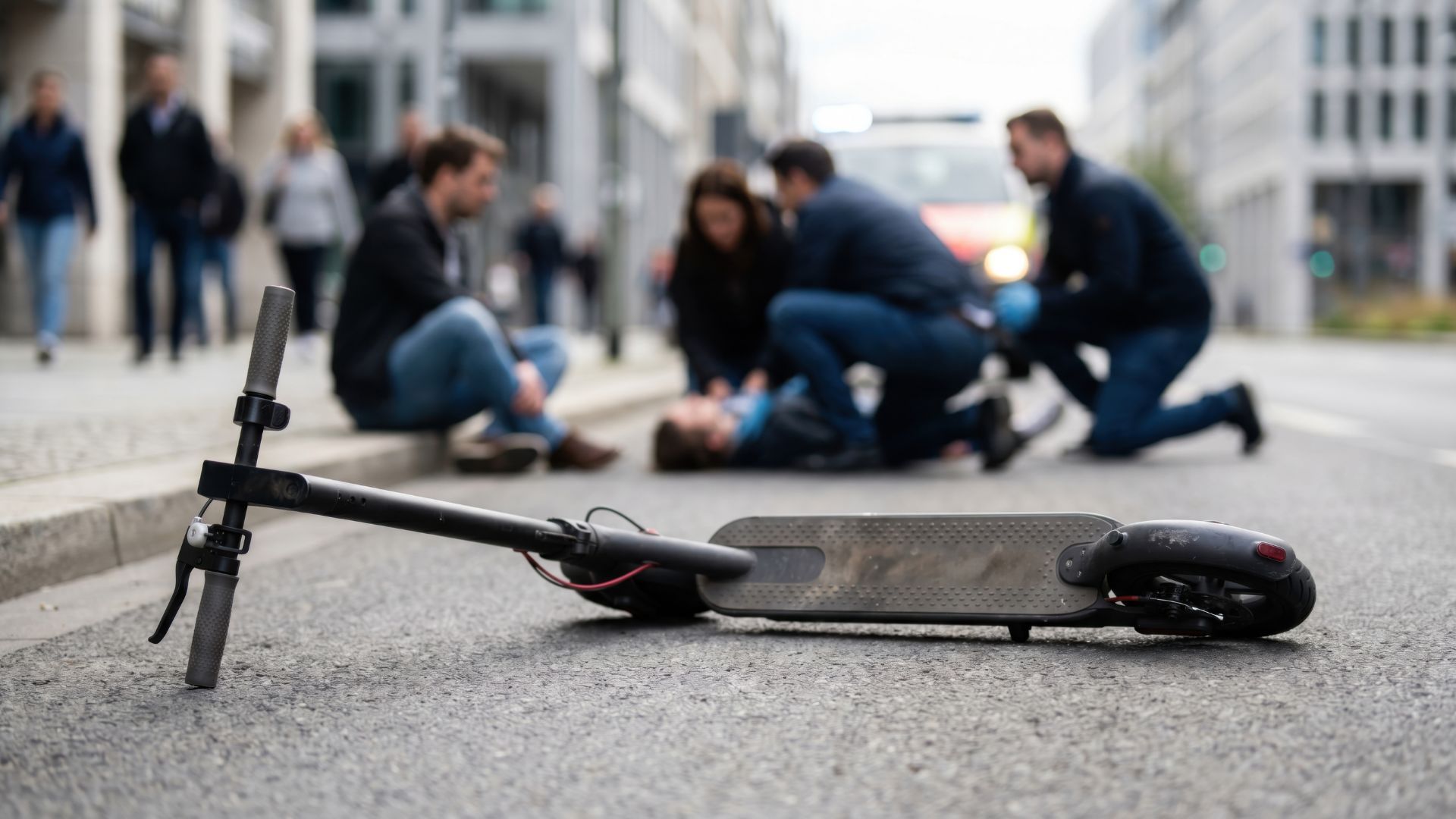
Imagine you're at a family picnic and someone suddenly falls from a tree. Or a road accident happens right in front of you. In these critical moments, what you know and the first aid can be the difference between life and death. That's what trauma awareness is all about.
Trauma in this context is physical injury caused by an external force, a fall, a road accident, a sports collision, or a workplace incident. And while it may feel like something that happens to "someone else," trauma injuries are one of the most common reasons people end up in emergency rooms worldwide.
Making trauma awareness a public health priority isn't just a good idea; it's a necessity.
Trauma and Its Impact on Public Health
Trauma is a leading cause of death and disability globally, particularly among people aged 1 to 44 years. According to the WHO, injuries account for approximately 4.4 million deaths per year, roughly 8% of all global deaths.[1]
What makes this especially important is that trauma disproportionately affects young, productive individuals. Beyond the individual, trauma has effects on families, and communities bear the burden of care.
This is precisely why trauma can no longer be seen as an isolated "accident." It is a public health challenge that demands the same attention we give to infectious diseases or chronic conditions.
Common Causes of Traumatic Injuries
Understanding what causes trauma helps us prepare for it. The frequent causes of traumatic injuries are:
Road traffic accidents are the top cause of trauma-related deaths worldwide, especially in low- and middle-income countries.
Falls are specifically dangerous for older people and children.
Workplace injuries, including injuries from machinery, heights, or heavy equipment
Sports and recreational injuries like fractures, concussions, and ligament tears
Interpersonal violence, i.e., physical assaults that result in serious injury
The WHO Global Status Report on Road Safety highlights that road traffic injuries alone kill approximately 1.19 million people each year and injure millions more.[2] India is one where road traffic fatalities remain among the highest in the world; trauma awareness is not optional, it is urgent.
The Burden of Trauma on Healthcare Systems
Trauma places an enormous strain on healthcare systems. Emergency departments are frequently overwhelmed by trauma cases that require immediate, intensive resources, surgical teams, blood banks, imaging, and intensive care units.
A portion of hospital admissions across the world are trauma-related. Studies have shown that in many countries, trauma patients occupy a 46.9% of ICU beds and surgical resources.[3] This not only challenges healthcare capacity but also delays care for other patients.
The burden isn't just about numbers. Trauma care is complex and time-sensitive. A well-equipped hospital located 50 kilometres away may be less helpful than basic, timely intervention at the scene.
The Importance of Early Recognition and Immediate Care
One of the most critical aspects of trauma management is recognising the severity of an injury quickly. Not all injuries look serious from the outside. Internal bleeding, for example, may not be immediately visible but can be life-threatening within minutes.
Early recognition of signs such as abnormal breathing, unresponsiveness, heavy bleeding, or limb deformity, and prompt response are key. Immediate care involves basic steps like controlling bleeding with direct pressure, keeping the injured person still if a spinal injury is suspected, and calling for emergency medical help without delay.
Patients who receive early and appropriate first-response care have significantly better survival rates and outcomes. This isn't just the job of paramedics or doctors; it's something that informed bystanders can do too.
The Role of the "Golden Hour" in Trauma Management
You may have heard the term "Golden Hour", and it's one of the most important concepts in trauma care.
Coined by Dr R. Adams Cowley, a pioneer in trauma medicine, the Golden Hour refers to the critical window of approximately 60 minutes following a severe traumatic injury during which medical treatment is most effective in preventing death. During this period, the body is fighting to compensate for blood loss, shock, and organ stress. Once this window closes, complications escalate dramatically.
The Importance of Advanced Trauma Care Solutions
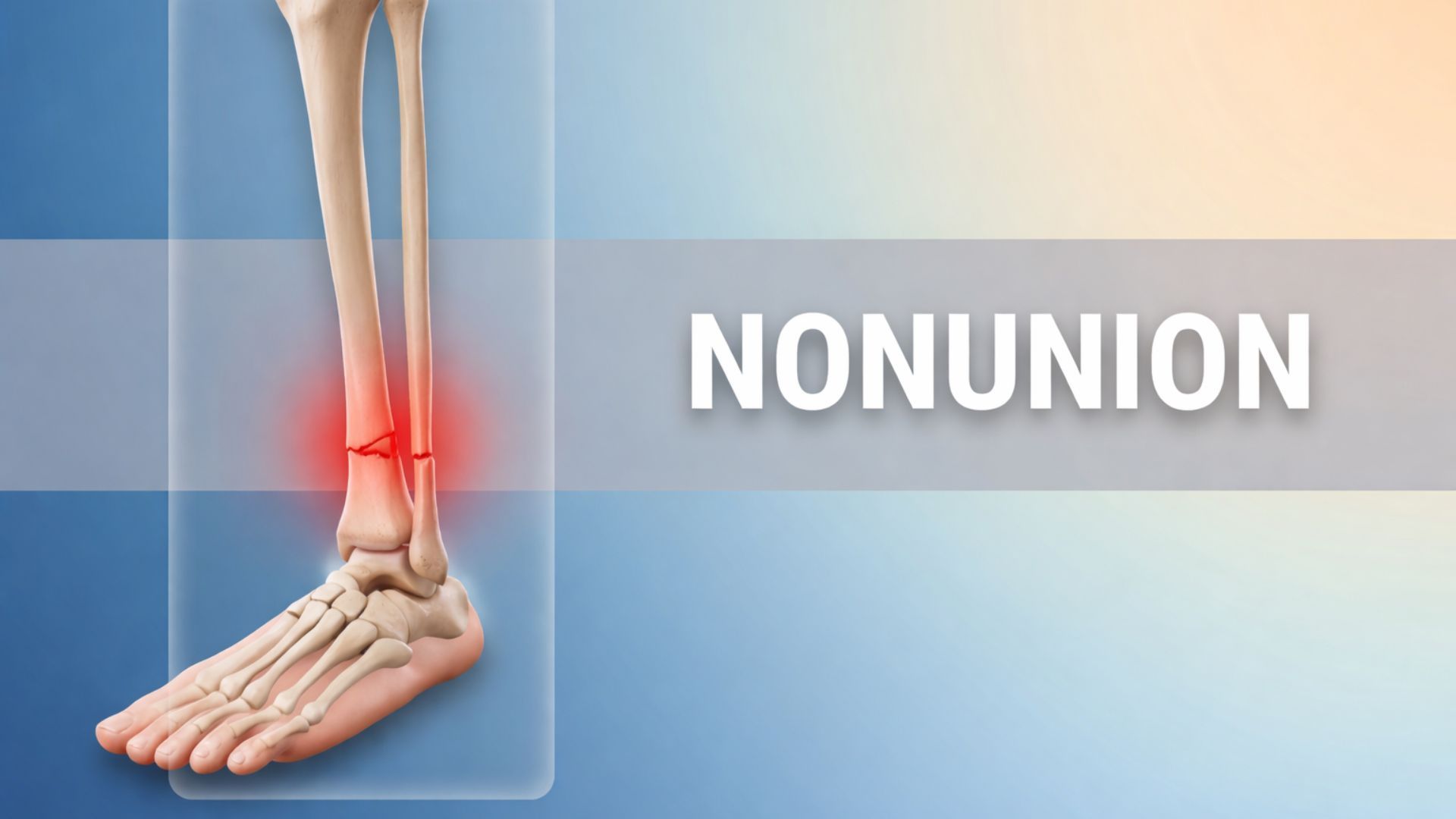
Timely treatment during the Golden Hour relies not only on rapid emergency response but also on the availability of advanced trauma care solutions in hospitals. In patients with fractures, restoring bone alignment and providing stable fixation are essential for supporting healing and recovery.
Advanced orthopaedic solutions, such as Auric™ Bionik Gold Surface by Meril Life, are designed to support stable fracture fixation. They help maintain alignment and stability while the bone heals, creating favourable conditions for natural bone healing, particularly in complex fracture cases. The implant features a Titanium Niobium Nitride (TiNbN) ceramic coating that enhances biocompatibility, reduces ion release, and helps lower the risk of allergic reactions without affecting the implant's biomechanical performance.
How Trauma Awareness Can Help Prevent Serious Injuries
Awareness doesn't just save lives after an injury; it can also help prevent one. When people understand common trauma scenarios, they can be more cautious in their decision-making and take proactive steps, like wearing helmets and seatbelts, using fall-prevention measures for older adults, installing workplace safety equipment, and following protective guidelines during sports.
Prevention is always better than a cure. Simple safety behaviours, like using seatbelts, reduce the risk of death in road accidents by up to 45%. Helmet use reduces the risk of fatal head injuries in motorcyclists by nearly 42%.[3] According to the Ministry of Road Transport and Highways, in 2023, 1,05,727 individuals were injured due to helmet non-use, while 40,597 were injured due to non-use of seat belts.[5]
When trauma awareness becomes part of everyday conversation, in homes, schools, and workplaces, these protective habits become second nature.
Community Education and First Response Preparedness
One of the most powerful tools against trauma is an educated community. Basic first aid training can turn an ordinary person into a first responder.
Basic life support and first aid certification courses are available and are increasingly being integrated into school curricula and workplace safety training. The goal is to ensure that the first person on the scene is not helpless but proactive.
Giving CPR can double or triple the survival rate of cardiac arrest patients, and the Heimlich manoeuvre prevents choking; these first aid measures can provide support until professional help arrives. The same principle applies to trauma: timely, appropriate first aid bridges the gap between the incident and hospital care.
How Individuals and Communities Can Support Trauma Awareness
Knowing how to respond to trauma doesn't require a medical degree. Here's how each of us can make a difference:
Learn basic first aid: Enrol in a certified course and refresh your skills every year.
Know your emergency numbers: In India, call 108 for ambulance services. Always make sure that you ask someone to call 108 when you are helping someone in distress, or you call and keep them on speaker.
Wear safety gear: Always wear helmets, seatbelts, and protective equipment every time in vehicles, without exception.
Spread awareness: Share reliable information from trusted, credible sources on trauma prevention with family, friends, and colleagues.
Advocate for better infrastructure: Support local health initiatives that push for a better emergency response system.
Small and consistent actions at the community level create lasting change at the public health level.
Conclusion
Trauma is sudden, unpredictable, and always disruptive. But with greater public awareness, stronger community preparedness, and continued investment in trauma care systems, lives can be saved and serious disabilities prevented.
Trauma awareness is a public health priority. So, each person should take responsibility for equipping themselves with the knowledge, tools, and confidence to act in a critical moment. It means building communities where no one stands helpless at the scene of an accident by investing in systems where the Golden Hour is never wasted. Because in trauma care, awareness is not just knowledge; it is survival.
FAQs


References
[1] https://www.who.int/news-room/fact-sheets/detail/injuries-and-violence
[2] https://www.who.int/news-room/fact-sheets/detail/road-traffic-injuries
[3] https://pmc.ncbi.nlm.nih.gov/articles/PMC6407564/
[4] https://cpr.heart.org/en/resources/cpr-facts-and-stats
[5] https://morth.gov.in/backend/documents/uploaded/Road-Accident-in-India-2023-Publications.pdf