

























Revolutionizing Knee Replacement Surgery: The Rise of Robotic Technology
Introduction
Knee replacement surgery has long been a beacon of hope for individuals suffering from debilitating knee pain and reduced mobility. Over the years, advancements in medical technology have led to significant improvements in surgical techniques and outcomes. One of the notable advancements in this field is the integration of robotics into knee replacement procedures, paving the way for a more personalized approach to treatment.
The Evolution of Knee Replacement Surgery
Traditional Knee Replacement
Traditional knee replacement surgery, while effective, relies on the surgeon's skill and experience to accurately align the prosthesis with the patient's anatomy. Surgeons use careful planning and clinical expertise to determine the appropriate positioning and alignment for each patient.
Robotic Surgery
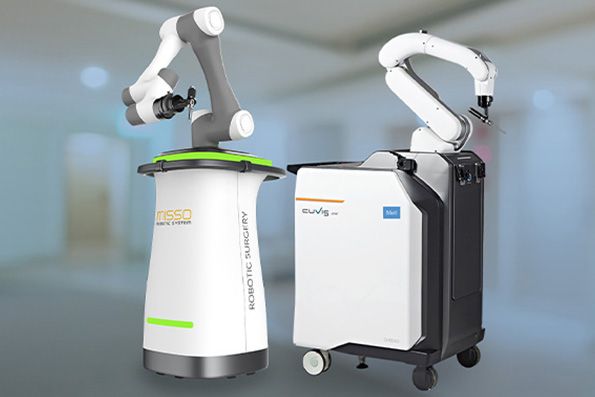
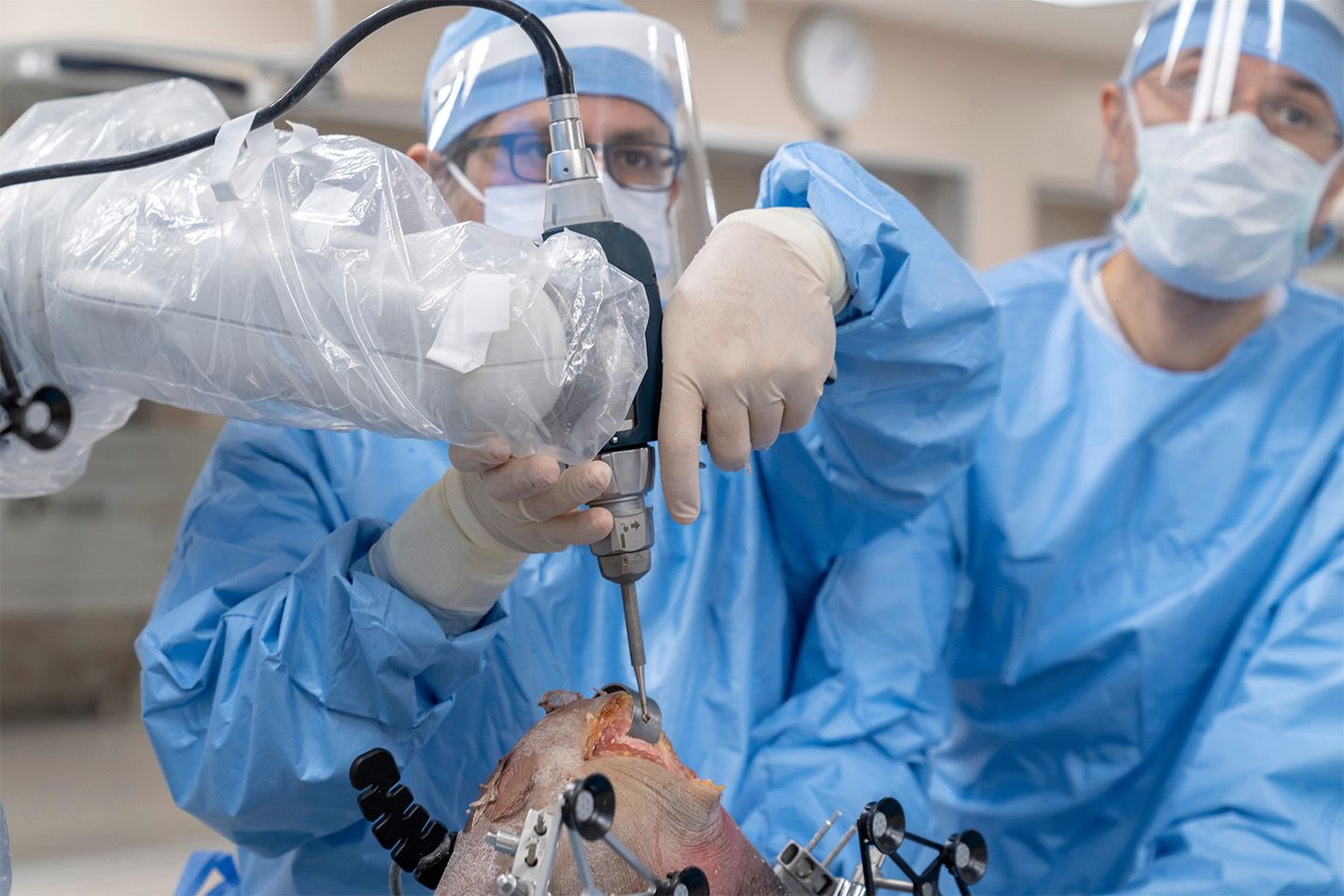
The advent of robotic technology in orthopedic surgery has enhanced the way we approach knee replacements.. By combining surgeons' expertise with robotic assistance, surgical planning and implant positioning can be tailored to each patient's anatomy.
The Power of Active Robotic Knee Replacement
Active Robotics: Empowering Patients
Active robotics in knee replacement is an important advancement in surgical technology for patients considering knee replacement surgery. By leveraging robotic assistance, surgeons can perform less invasive procedures, which often lead to reduced pain, shorter hospital stays, and faster rehabilitation. This innovative technology empowers both surgeons and patients alike. By utilizing real-time data feedback and dynamic adjustments during the surgery, the active robotic system ensures precision in implant placement. This level of adaptability allows for a truly tailored approach, accounting for any subtle changes in the patient's anatomy or dynamics during the procedure. As a result, patients experience not only reduced pain and a faster recovery but also a knee replacement that feels natural. Active robotics brings an additional level of responsiveness to the surgical process, paving the way for an active future with improved mobility for individuals undergoing knee replacement.
Precision at its Core
Robotic knee replacement surgery utilizes advanced imaging and mapping techniques to create a 3D model of the patient's knee. This model guides the surgeon and the robotic arm throughout the procedure, ensuring precise bone cuts and optimal implant placement. The technology is designed to support surgical planning and implant positioning throughout the procedure.
Personalized Planning
With robotic surgery, each procedure is tailored to the patient's unique anatomy. This means the implant is positioned and aligned to best mimic the natural movement of the knee, potentially leading to better post-operative function and longevity.
Achieving Native Knee Phenotypes: Precision Beyond Measure
Robotic technology plays a pivotal role in striving for the replication of native knee phenotypes. Through advanced mapping and real-time adjustments, robots assist surgeons in recreating the natural biomechanics of the knee joint. This technology provides additional information and guidance during the surgical procedure. By fine-tuning the prosthesis's placement and alignment to mirror the patient's original knee anatomy, the goal is to restore function and movement that closely emulate the body's innate design. This approach not only contributes to improved post-operative comfort but also endeavors to provide patients with a knee replacement that feels close to their original joint, offering a renewed sense of mobility and confidence. Individual patient experiences and outcomes may vary.
Advantages of Robotic Knee Replacement
- Faster Recovery: Active robotics enables less invasive procedures, reducing pain, shortening hospital stays, and accelerating rehabilitation.
- Minimized Soft Tissue Damage: Robotic-assisted surgery allows for smaller incisions, which means less disruption to surrounding tissues. This can lead to reduced pain and a faster recovery.
- Reduced Blood Loss: The precision of the robotic system helps minimize blood loss during surgery, which can be especially important for patients with specific medical conditions or concerns about blood loss.
- Customized Implant Positioning: The robotic system helps support the implant to be placed in the optimal position for each individual patient, which can lead to a more natural feel and improved function post-surgery.
- Lower Risk of Complications: With proper precision and personalized planning, there's a lower risk of complications such as implant misalignment, instability, and premature wear.
- Improved Long-Term Outcomes: Studies have shown that patients who undergo robotic knee replacement surgery often experience improved long-term outcomes, including better range of motion and overall satisfaction with the procedure.
- Better Implant Survival Rates: The accuracy of implant placement in robotic-assisted surgeries may improve implant survival rates, potentially reducing the need for future revisions.
- Enhanced Imaging and Feedback: The advanced imaging technology used in robotic knee replacement provides real-time feedback to the surgeon, enabling adjustments during the procedure to ensure optimal results.
- Suitable for Complex Cases: Robotic-assisted knee replacement can be particularly beneficial for patients with complex anatomical considerations or those who have previously undergone knee surgeries.
The Future of Knee Replacement: Embracing Technology
The integration of robotics into knee replacement surgery represents an important advancement in orthopedic medicine. By combining the expertise of skilled surgeons with the precision of robots, it can support surgical planning and a more personalized approach to treatment. The era of robotic knee replacement surgery has dawned, bringing new hope to individuals seeking a return to an active life with reduced pain.
Overcoming Common Concerns
Safety and Reliability
Robotic knee replacement technology is rigorously tested and constantly refined. The systems incorporate multiple safety features designed to support safe operation during the procedure.
Surgeon Expertise
It's important to note that while robotics plays a significant role, the surgeon remains an integral part of the procedure. They oversee the entire process, from planning to execution, with the assistance of the robotic system.
Accessibility
As technology advances, the availability of robotic-assisted knee replacement is steadily increasing. More hospitals and orthopedic centers are adopting this technology, making it accessible to a broader range of patients.
The Path Forward: Making Informed Decisions
If you're considering knee replacement surgery, consult with an experienced orthopedic surgeon to discuss if robotic knee replacement is the right option for you.
In conclusion, robotic technology has become an important advancement in knee replacement surgery. The precision, personalization, and potential for faster recovery offered by robotic-assisted procedures are opening new doors for patients seeking relief from knee pain. Embrace this advancement and embark on your journey toward a more active life and improved mobility.
The blog has been authored by Dr. Ravi Teja Rudraraju. The content is for informational purposes only and should not be taken as professional medical advice.
Disclaimer - This blog represents the views and opinions of the doctor and does not necessarily represent the views or opinions of Meril. The blog is available for informational and educational purposes only. It is not intended to be a substitute for professional medical advice, diagnosis, or treatment. Always seek the advice of your physician or other qualified health provider with any questions you may have regarding a medical condition.