

























Robotic Knee Replacement Surgery: Technology, Benefits & Patient Outcomes
Introduction
Knee pain can limit everyday life, making even small movements feel like a challenge. For many, Robotic Knee Replacement has become a ray of hope, restoring mobility with higher precision and faster recovery.
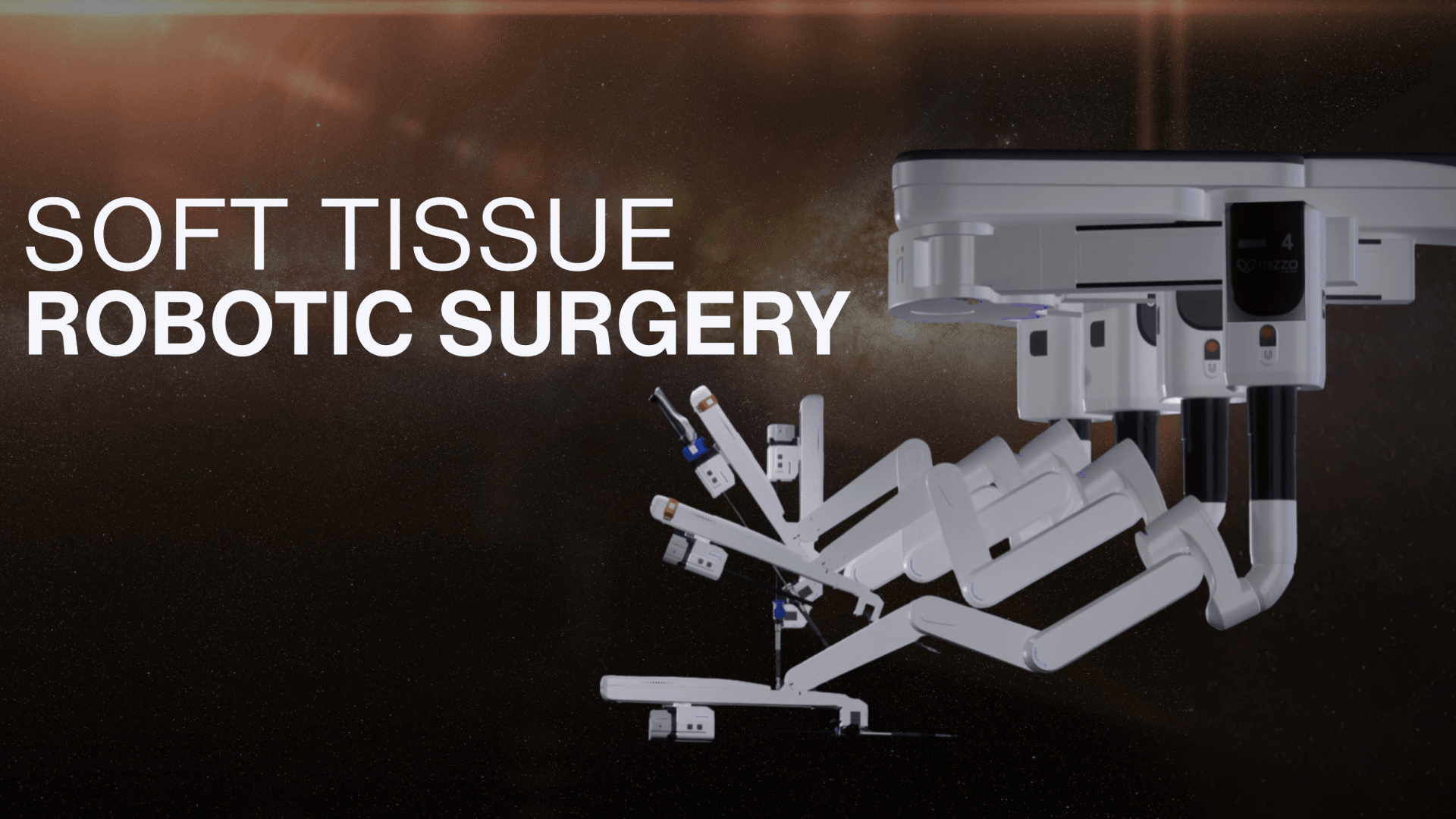
Modern advancements in robotic technology in orthopaedics are transforming how surgeons perform knee procedures, making surgeries more personalised and outcomes more predictable.
As a leading name in healthcare innovation, Meril Life continues to advance surgical care, whether it's through its MISSO robotic knee replacement system or its high-quality cardiovascular stent portfolio that helps improve lives globally.
What is Robotic-Assisted Knee Replacement Surgery?
This surgery uses advanced robotic assistance to help surgeons perform knee replacement with greater control, accuracy, and personalisation. The robot doesn't work alone; it assists the surgeon throughout the procedure, ensuring every movement and cut is precisely aligned with the patient's unique anatomy.[1]
How It Differs from Traditional Knee Replacement
Aspect | Traditional Surgery | Robotic-Assisted Surgery |
Surgical Planning | Based on X-rays and manual measurements | Based on 3D imaging and computer modelling |
Precision | Relies on surgeon’s manual judgement | Guided by robotic sensors and mapping software |
Implant Placement | Fixed alignment | Customised and precisely aligned to the patient’s anatomy |
Recovery | May take longer | Often quicker due to improved accuracy and less tissue damage |
The Role of Robotic Assistance in Surgery
Robots act as guiding tools, not replacements for surgeons.
The system analyses pre-surgical imaging to create a personalised surgical plan.
During surgery, it provides real-time feedback, ensuring accurate cuts and proper alignment.
The surgeon remains in complete control while benefiting from computer-guided precision and improved visualisation.
This blend of human skill and robotic accuracy makes the procedure safer and more effective.
Robotic Technology in Orthopaedics
The use of robotic technology in orthopaedics is changing how joint surgeries are performed worldwide. It allows doctors to plan surgeries with exceptional accuracy and execute them with minimal human error.
Precision and Planning with Robotics
3D Imaging: Creates a detailed virtual model of the knee joint.
Preoperative Planning: Helps decide the implant size and exact positioning before surgery begins.
Real-Time Adjustments: The system allows modifications during the operation for perfect balance.
Reduced Tissue Trauma: Because the robot operates within defined boundaries, it avoids unnecessary cuts, preserving healthy tissue.
This combination enhances surgical confidence and patient satisfaction.
MISSO: Robotic-Assisted Knee Replacement System
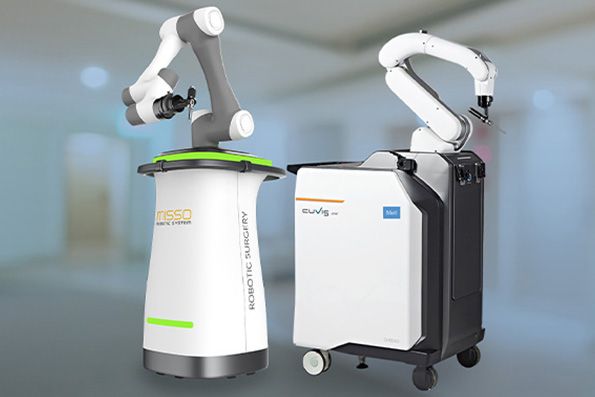
Misso, developed by Meril Life, is India's indigenously designed robotic system for knee replacement surgeries. It aims to make robotic solutions more accessible and affordable for hospitals and patients across the country.
Key highlights include:
AI-driven pre-surgical planning that reduces planning time by up to 80%.
6-axis robotic arm for precise bone preparation and cutting.
Advanced optical tracking sensors for real-time monitoring.
Compact design ideal for operating theatres with limited space.
Safety stop mechanism that automatically halts movement if deviation exceeds set limits.
How MISSO Enhances Surgical Accuracy
Personalised Planning: Tailors surgery based on each patient's knee structure.
Intraoperative Flexibility: Surgeons can adjust implant positions in real-time.
Gap Balancing: Ensures even pressure on ligaments, resulting in smoother knee motion.
Data-Driven Results: Every move is guided by digital mapping for unmatched accuracy.
With MISSO, Meril has set a benchmark in bringing world-class robotic solutions within the reach of Indian healthcare facilities.
Benefits of Robotic Knee Replacement Surgery
The benefits of robotic surgery extend beyond the precision of the device. It impacts nearly every step of a patient's recovery journey. Here's what makes it so promising:
Better alignment and stability: Perfect implant positioning improves balance and movement.
Smaller incision and less pain: A minimally invasive approach leads to reduced blood loss and faster healing.
Personalised treatment: Every knee is different; robotic assistance ensures your implant fits perfectly.
Shorter hospital stay: Many patients can resume walking within a few days of surgery.[2]
Long-lasting results: Accurate placement reduces the likelihood of implant wear and the need for revision surgery. However, some studies have shown outcomes similar to those of traditional methods.
This approach aids patients' better recovery and return to their daily lives with renewed confidence.
Recovery After Robotic Knee Replacement
Recovery typically begins within the first week, with most patients walking using support and starting physical therapy early to prevent stiffness. By 2–6 weeks, many can move without assistance and resume light activities, progressing to moderate routines like driving by 6–12 weeks. Most patients see significant improvement in mobility and pain by 3 months. A gradual, active recovery paired with a balanced diet and your surgeon's guidance supports the best long-term outcomes.
Patient Outcomes After Robot-assisted Knee Replacement
Positive patient outcomes are one of the strongest indicators of robotic-assisted surgery's success. After a successful replacement, you can expect:
Improved joint alignment and smoother post-operative mobility.
Reduced pain and swelling within the first few weeks.
Higher satisfaction rates, as patients experience natural movement sooner.
Fewer post-surgery complications, such as infection or implant loosening.
For most individuals, robotic surgery means a quicker return to normal life, with greater comfort and confidence in movement.
Is Robotic-Assisted Knee Replacement Right for You?
If you have chronic knee pain, arthritis, or limited mobility that affects your daily life, robotic knee replacement might be a suitable option. However, every patient's condition is unique.
You may consider consulting your orthopaedic specialist if you:
Have persistent knee stiffness despite medication or physiotherapy.
Experience pain that interferes with sleep or routine activities.
Notice deformities such as bow-legs or knock-knees.
Have been advised to undergo total knee replacement and wish to explore advanced options.
A trained surgeon can assess your knee structure and help determine if it's the right choice for you.
Conclusion
Robot-assisted surgery represents the next leap in orthopaedic innovation, combining human expertise with intelligent technology. With innovations like MISSO, Meril Life aims to bridge the gap between high-quality healthcare and affordability, which empowers surgeons to achieve greater precision and improve patients' quality of life. Just as Meril's stent solutions have transformed cardiovascular care, its focus on robotic knee replacement marks a new era of excellence in joint restoration.