

























Stress Awareness Day 2026: Understanding Stress and How to Cope Better
Introduction
Stress is a common part of everyday life and can affect both physical and emotional well-being. While occasional stress is a normal response to challenges, prolonged stress can affect sleep, energy levels and overall health. Stress Awareness Day 2026 serves as a reminder to recognise the signs of stress, understand its possible causes, and explore practical ways to manage it. This blog looks at why stress awareness matters and the steps you can take to support your wellbeing.
What Is Stress Awareness Day and When Is It in 2026?
Stress Awareness Day falls on the first Wednesday of November, which falls on 4 November in 2026. It is part of International Stress Awareness Week, an annual observance organised by the International Stress Management Association (ISMA), which runs from 4 to 8 November this year
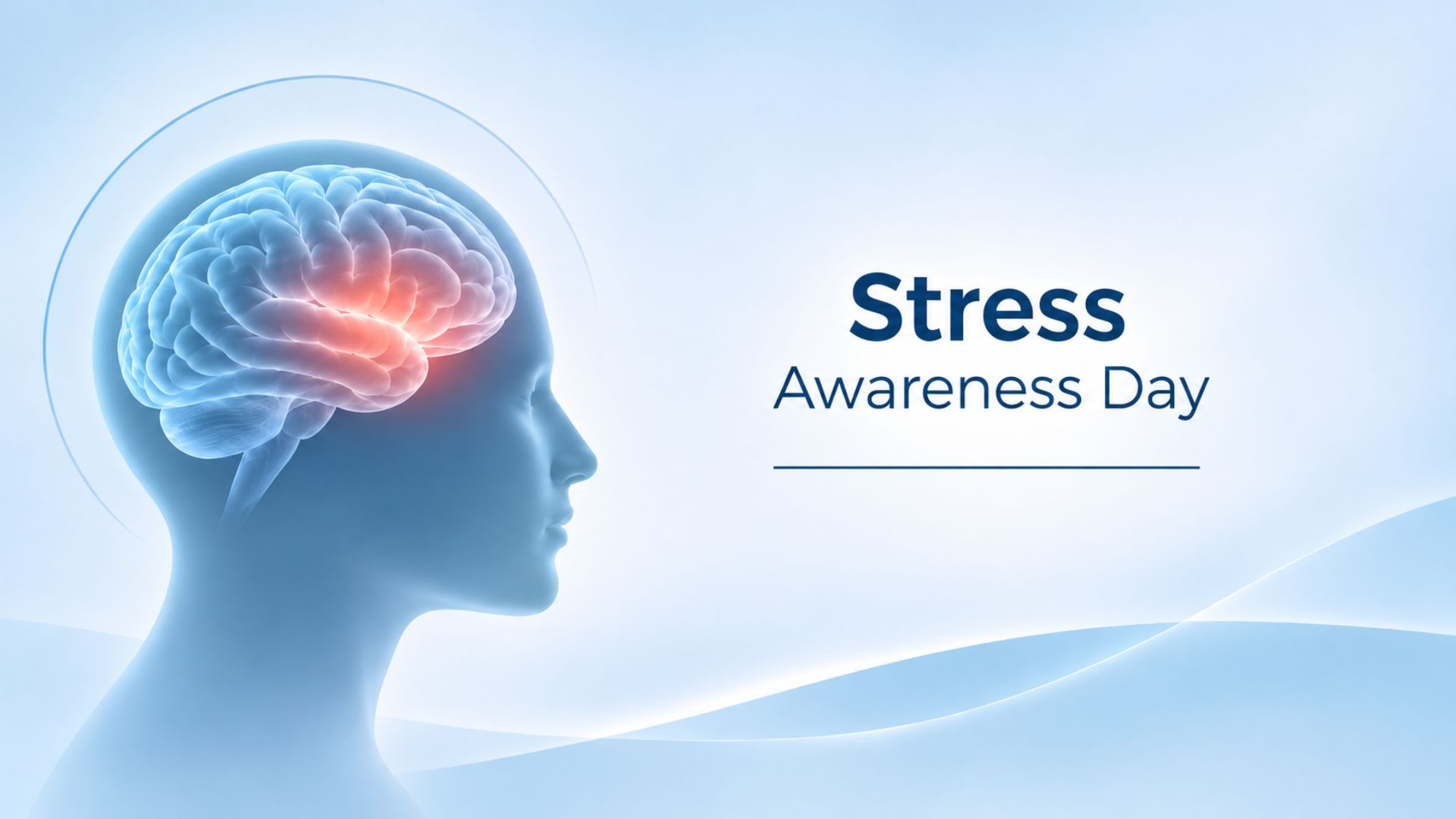
The day aims to raise awareness of stress, its effects on physical and emotional health and the habits that help people cope. It also encourages people to recognise stress in their daily lives and seek support when needed.
Why Is Stress Awareness Important?
Stress is a natural response to challenging situations and is experienced by everyone at some point. However, when stress becomes prolonged, it can affect physical and emotional well-being. Indian research shows how common it has become. A community-based study among 480 adults aged 25 to 65 in an urban area of Delhi found a considerable burden of perceived stress, with levels highest among those aged 35 to 50 [1].
Awareness helps in three ways:
Earlier recognition: Identifying signs such as headaches, poor sleep or irritability.
Earlier action: Adopting healthy habits before stress becomes difficult to manage.
Timely care: Knowing when to seek guidance from a healthcare professional.
What Are the Common Signs of Stress?
Stress can affect people differently, with symptoms appearing in both physical health and everyday behaviour. Recognising these signs can help people understand when stress may be affecting their wellbeing.
Physical Signs of Stress
The body reacts to pressure by releasing stress hormones such as adrenaline and cortisol. Common physical signs include:
Headaches and muscle tension or aches
Stomach upset or changes in appetite
Constant tiredness
Trouble falling or staying asleep
Chest pain deserves particular attention. It can also be a warning sign of a heart attack and should never be put down to stress alone, so seek urgent medical help if it occurs.
Behavioural Signs of Stress
Stress also changes how people act, often before they notice it themselves. Common behavioural signs include: Irritability or sudden angry outbursts
Eating much more or much less than usual
Pulling away from family and friends
What Are the Common Causes of Stress?
Stress usually results from pressure, often tied to a feeling of losing control, though sometimes there is no obvious cause. Triggers differ widely. Indian health studies point to three key areas.
Family and Relationship Stress
Caring for an unwell family member can bring emotional and physical demands, particularly when the care is needed over a long period. A hospital-based study in Sikkim assessed 51 haemodialysis patients and their caregivers. It found that 68.6% of caregivers reported mild to severe burden, with women, older caregivers and those looking after patients on long-term dialysis reporting the heaviest strain[2].
Health and Lifestyle-Related Stress
Living with a long-term health condition can itself be a source of stress. At a diabetes centre in Chennai, 35% of adults with type 2 diabetes reported high or very high stress. Physical inactivity was significantly associated with these scores, and interviews showed that family concerns and the illness itself weighed on patients[3].
Stress Caused by Major Life Changes
Major life events, such as moving home, having a baby or planning a wedding, can cause stress even when they are positive experiences. Sudden disruption to routine has a similar effect. During the COVID-19 lockdown, an online study of 257 adults across India found that overall, 84% of participants had moderate to severe levels of perceived stress and 88% had moderate to severe levels of anxiety.[4]
How Can Long-Term Stress Affect Your Wellbeing?
Area of health | How long-term stress may show up |
Heart and blood pressure | Raised blood pressure, a faster heartbeat and added strain on the heart over time |
Sleep and energy | Difficulty falling asleep, restless nights and constant tiredness |
Digestion | Stomach upset, acidity and changes in appetite |
Muscles and body aches | Ongoing headaches, neck and shoulder tension and general body pain |
Blood sugar and weight | Changes in eating habits and activity that can make weight and blood sugar harder to manage |
| Immunity | Feeling run down more often and taking longer to recover from everyday illnesses |
How Can You Manage Stress in Everyday Life?
There is no single solution to managing stress, but adopting healthy everyday habits can help improve overall well-being. Start with small changes and build a routine that works for you.
- Stay physically active: A brisk walk, a bike ride, or yoga all count. Regular movement helps ease stress and supports Heart health.
Prioritise sleep: Keep a steady bedtime and put screens away well before it. Sleep helps the body recover from stress.
Practise slow breathing: Breathing exercises such as pranayama may help manage stress. A quasi-randomised trial involving frontline healthcare professionals in Delhi found that twice-daily pranayama practice over 28 days significantly reduced perceived stress compared with the control group.[5]
Talk to someone you trust: Sharing your concerns with family or friends can provide emotional support and help you cope with stressful situations.
If stress continues to affect your daily life despite these efforts, consult a healthcare professional. They can assess your symptoms and recommend appropriate support, including counselling or therapy if needed.