





















World Diabetes Day 2026: Raising Awareness Through Early Action
Introduction
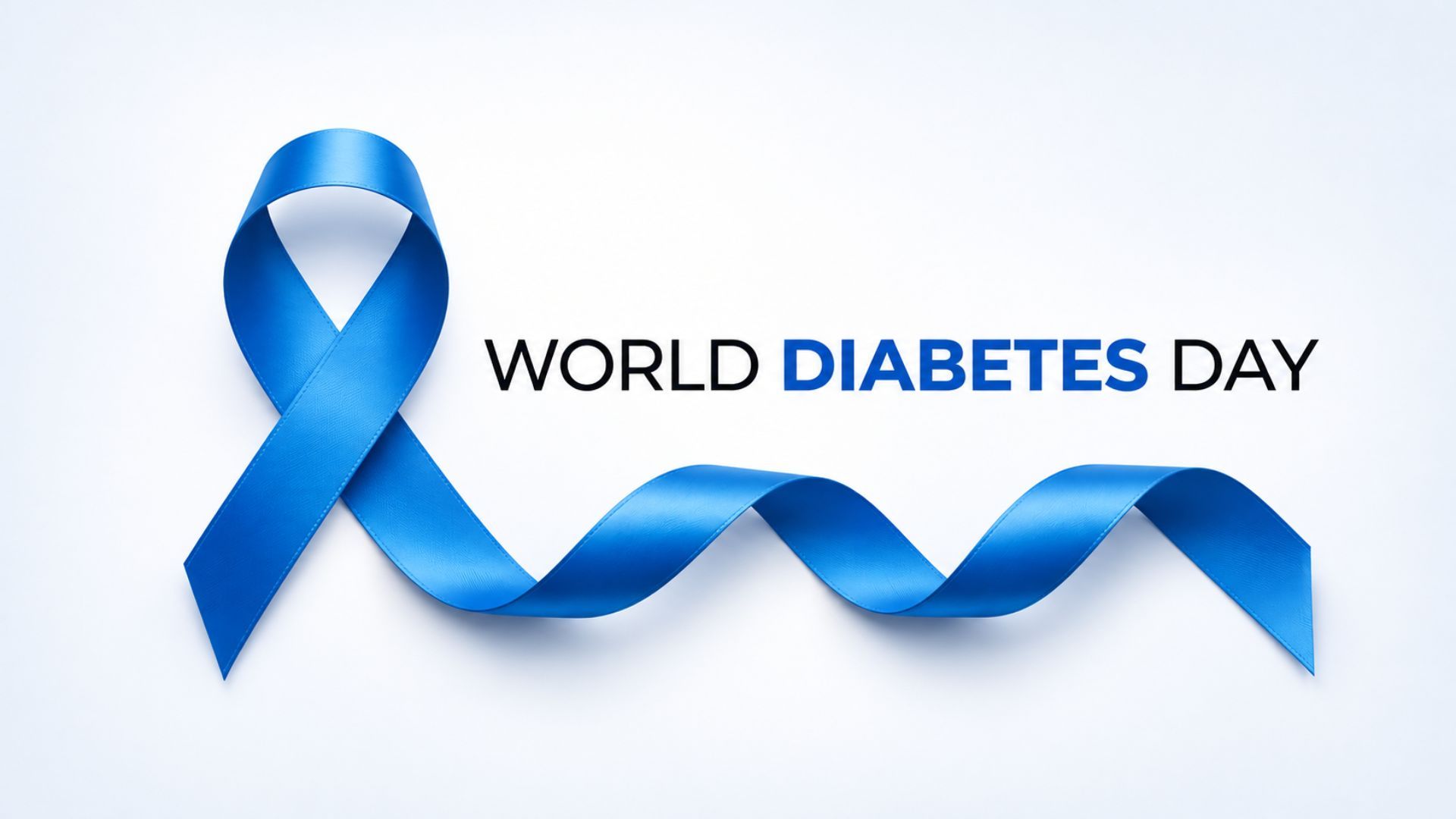
World Diabetes Day 2026 falls on 14 November, and its message is simple: act early. Diabetes often develops slowly and quietly. Many people don't know they have it until a complication, like blurred vision or a wound that will not heal, sends them to a doctor.
This year’s campaign aims to change that. It encourages everyone to check their risk, learn the warning signs, and get tested before serious damage is done. In this blog, we explore what the theme means, why diabetes awareness matters, and the small steps that enable early action.
World Diabetes Day 2026 Theme: Early Action on Diabetes
The theme for World Diabetes Day 2026 is Early Action on Diabetes. It launches a two-year campaign running through 2026 and 2027. The International Diabetes Federation (IDF) and the World Health Organization (WHO) are both highlighting it.
The campaign has three clear goals: earlier diagnosis, better access to care, and less stigma around diabetes. Behind these goals is a worrying fact. A large share of people with diabetes do not know they have it, and in the meantime the condition can quietly harm the heart, kidneys, eyes and nerves.
What Does “Early Action on Diabetes” Mean?
Early action means two things. First, it means finding diabetes early, soon after it starts and ideally before it causes harm. Second, it means lowering your risk early by making healthy changes before type 2 diabetes develops.
Acting early matters because it can:
Help prevent serious emergencies such as diabetic ketoacidosis, a dangerous build-up of acids in the blood.
Prevent or delay problems with the Heart, kidneys, eyes and nerves.
Give high-risk people time to change course before diabetes sets in.
Early action also looks different for each type. Type 1 diabetes usually appears quickly, so spotting symptoms fast is vital. Type 2 diabetes builds slowly and may cause few symptoms, so regular testing and risk checks matter more.
Why Is Diabetes Awareness Important?
Awareness helps people connect the dots. Tiredness, constant thirst, or frequent hunger is easy to blame on stress or a busy routine. Once people know these can signal diabetes, they are more likely to get tested on time.
Understanding the Growing Burden of Diabetes
India sits at the centre of this story. According to the ICMR-INDIAB study, about 11.4% of adults in India are living with diabetes.[1] Many of them do not know it, since at least 25% of adults with diabetes in India remain undiagnosed.[2]
Lack of access to care is only part of the story. In one national survey of adults under 50, about 45% of people with undiagnosed diabetes already had access to healthcare. Control is another challenge, as only 15.7% of adults with diabetes in India have their blood sugar under control. These figures show why waiting for symptoms is risky.
Understanding the Different Types of Diabetes
- Type 1 Diabetes: An autoimmune condition in which the body's immune system attacks insulin-producing cells in the pancreas. It often develops in children and young adults, but can occur at any age. People with Type 1 diabetes need insulin to manage the condition.
- Type 2 Diabetes: A condition in which the body does not use insulin effectively or does not produce enough insulin. It is more common in adults, though it is increasingly seen in younger people as well. Lifestyle, genetics and other factors can contribute to its development.
Recognising the Signs and Risk Factors
Type 2 diabetes can stay quiet for years. When signs do appear, they often include:
Increased thirst and frequent urination
Increased hunger and unexplained weight loss
Tiredness and blurred vision
Slow-healing sores or frequent infections
Numbness or tingling in the hands or feet
Your risk is higher if you are overweight, not very active, or have a parent or sibling with type 2 diabetes. Risk also rises with age, and diabetes during pregnancy (gestational diabetes) adds to it. Prediabetes, where blood sugar is higher than normal but not yet in the diabetes range, can turn into type 2 diabetes if ignored.
Sudden thirst, weight loss, or extreme tiredness, especially in a child, should never be brushed aside.
The Importance of Regular Screening
Because type 2 diabetes can be silent, a blood test is the only reliable way to know. Doctors commonly use a fasting blood glucose test or an HbA1c test, which shows your average blood sugar over the past two to three months.
Screening is especially useful if you have any risk factors, since prediabetes and early diabetes usually cause no symptoms. An analysis of India's NFHS-5 national survey found that nearly one in four people aged 15 to 49 with diabetes had not been diagnosed[3], highlighting the importance of early detection. A diagnosis is only the first step, though. People also need access to treatment and support afterwards, which is why health systems play a big role.
How Has Diabetes Testing Evolved?
Testing method | What it does |
Glucometer (finger-prick test) | Checks current blood glucose levels. Mainly used for monitoring, not standalone diagnosis. |
Point-of-care HbA1c | Provides HbA1c results in a clinical setting using a suitable validated device. |
Laboratory tests | Fasting blood glucose, HbA1c and OGTT are established methods for diagnosing diabetes. |
Continuous Glucose Monitoring (CGM) | Uses a wearable sensor to track glucose levels throughout the day. Mainly used for diabetes management. |
How Can We Take Early Action on Diabetes?
Early action doesn't require dramatic changes. Four simple steps can make a real difference.
Make Healthier Lifestyle Choices
Healthy habits can prevent or delay type 2 diabetes. Start small and keep it steady:
Move regularly with moderate activity, such as brisk walking, most days.
Fill your plate with vegetables, pulses, whole grains, and fruit.
Cut back on sugary drinks and processed food.
Work towards a healthy weight and stay tobacco-free
Get Regular Health Check-Ups
A routine check-up is a simple way to monitor your blood sugar, blood pressure, and weight. It matters even more if you have excess weight, a family history of diabetes, or are getting older.
Know Your Risk of Diabetes
The IDF offers a type 2 diabetes risk test on its campaign website. It takes only a few minutes. It cannot replace a blood test, but it can show whether it's time to talk with your doctor. Before you try it, ask yourself:
Does a parent or sibling have type 2 diabetes?
Am I carrying extra weight or leading a mostly inactive routine?
Did I have gestational diabetes during a pregnancy?
Have I ever been told my blood sugar was borderline?
Seek Medical Advice When Needed
Don't wait for symptoms to worsen. If you notice signs of diabetes in yourself or your child, see a doctor soon. Type 1 diabetes can progress quickly, and a late diagnosis can lead to diabetic ketoacidosis.
Kindness matters too. Diabetes stigma is harmful, and speaking with empathy helps people seek care sooner. Early action is a small decision with long-term benefits, and a simple blood test can help identify diabetes or the risk of developing it before symptoms appear.