


















World Trauma Day 2026: Why Trauma Awareness Matters
Introduction
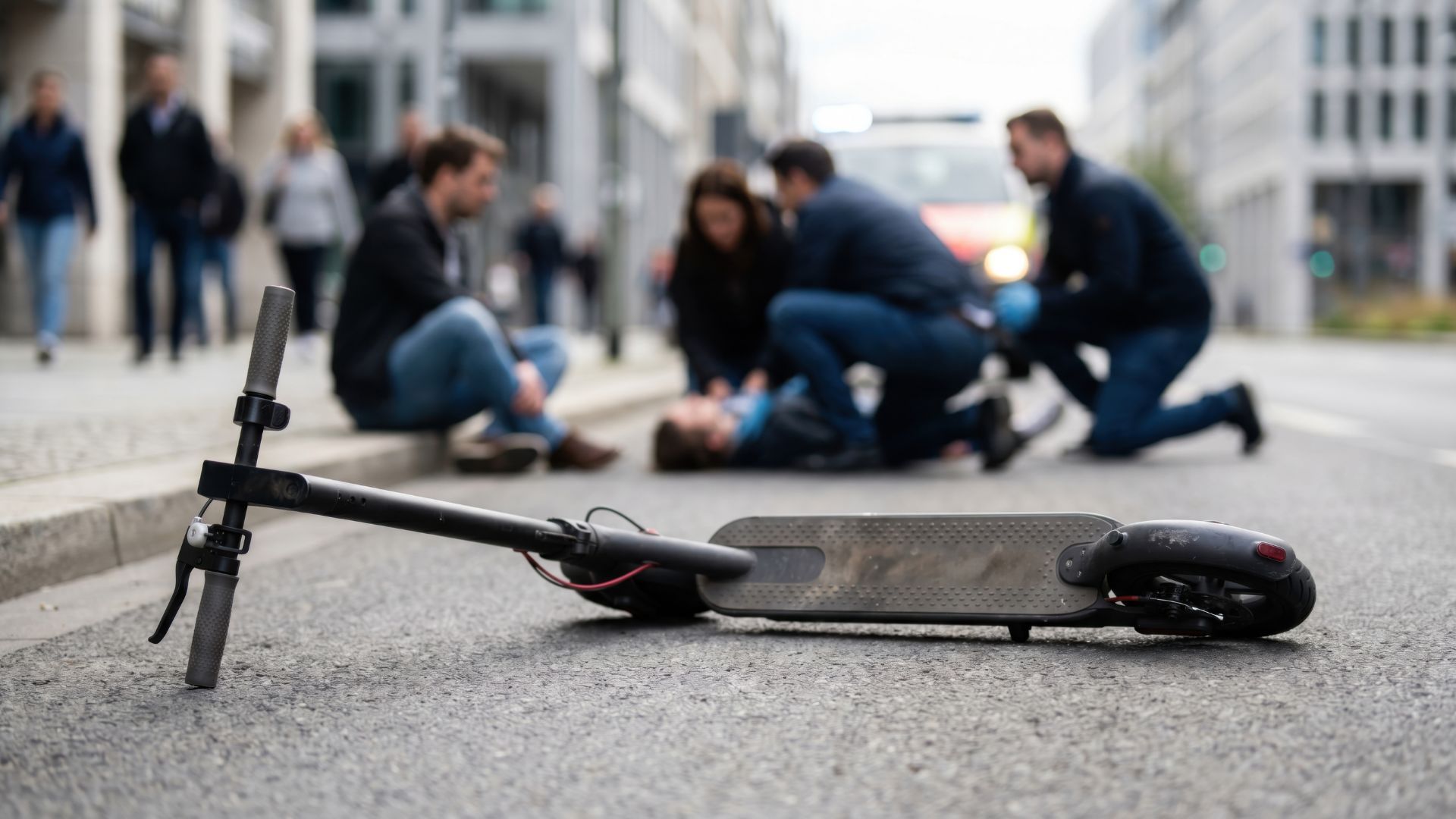
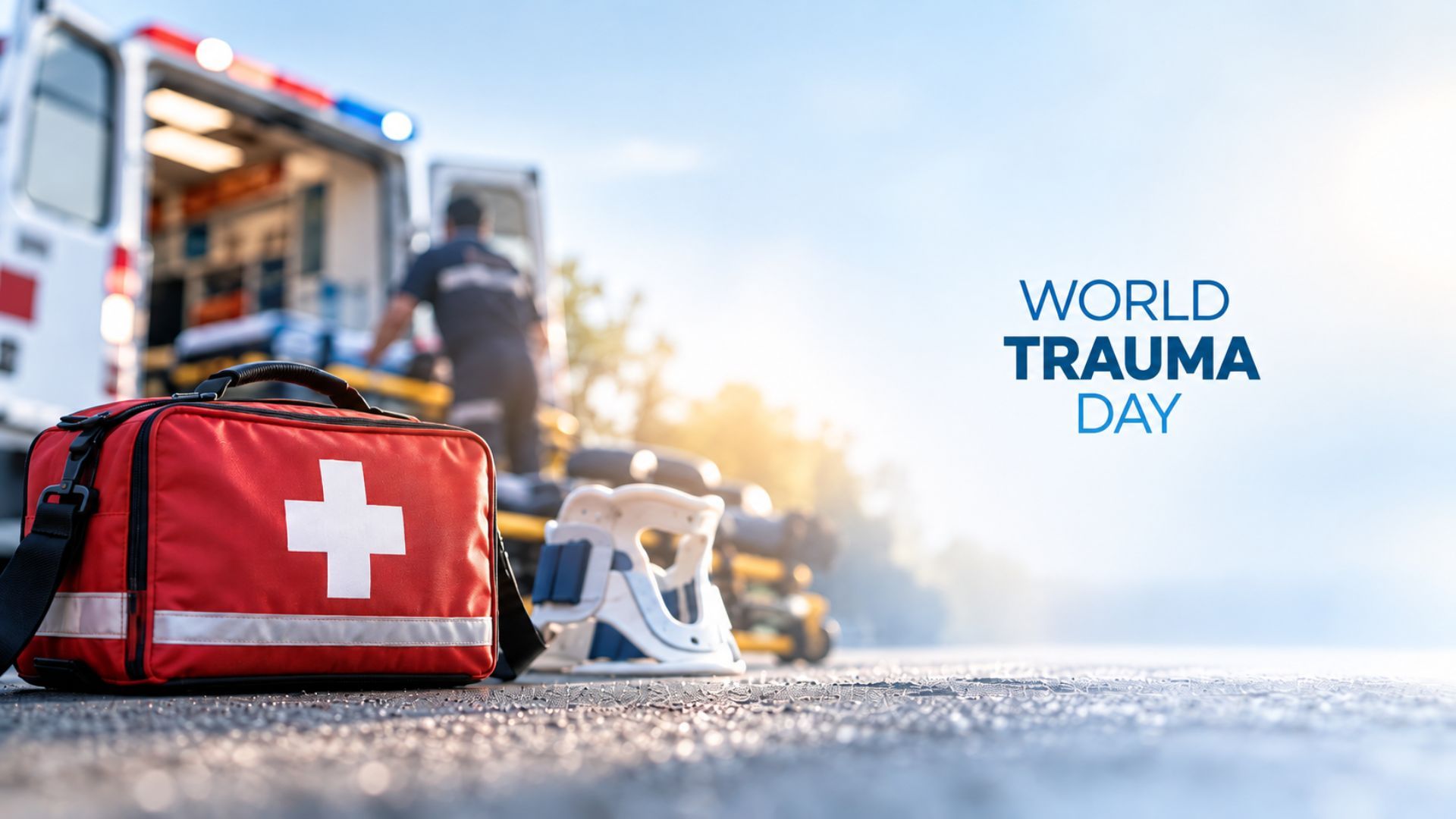
What would you do if someone suddenly collapsed after an accident in front of you? Most people are not trained to manage trauma, and they are not expected to be. But being a first responder does not require diagnosing an injury or providing medical treatment. It means knowing how to stay calm, seek professional help quickly and avoid actions that could make the situation worse. World Trauma Day 2026 is an opportunity to build this kind of everyday trauma awareness, so that when an emergency happens, the first response is informed, safe and focused on getting the person the right care.
Why Trauma Remains a Major Global Healthcare Challenge?
Trauma remains a public health concern as injuries and violence are among the leading causes of death and disability globally, affecting people across different age groups and communities.
Road traffic injuries are particularly significant in India. There has been a substantial contribution of transport-related injuries to mortality.[1]
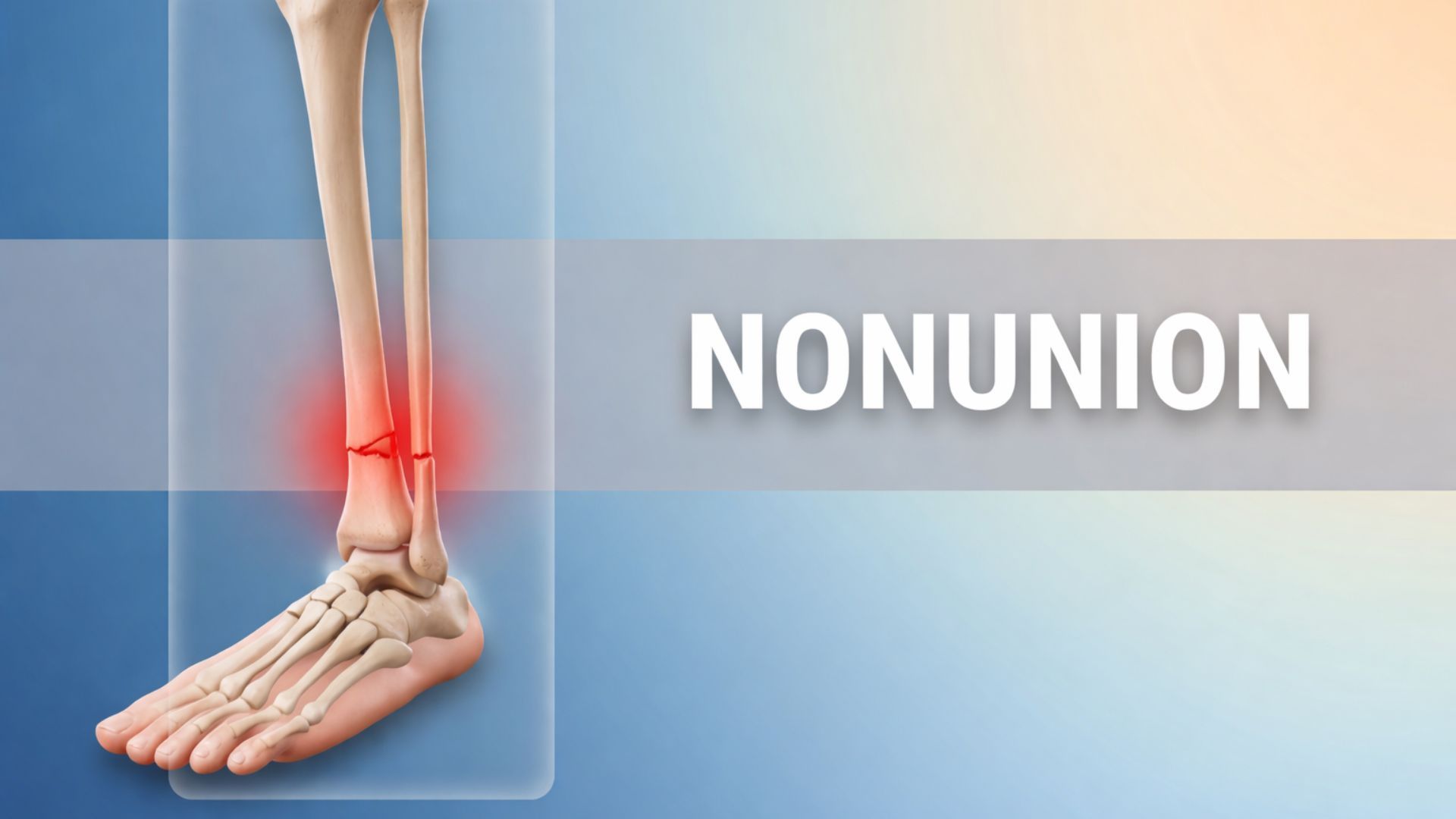
The consequences of trauma are not limited to fatalities. Serious injuries may result in fractures, spinal injuries, traumatic brain injuries, internal injuries, or long-term disabilities. For working-age individuals, these outcomes can affect employment, household income, and family responsibilities.
How Traumatic Injuries Impact Patients, Families and Communities
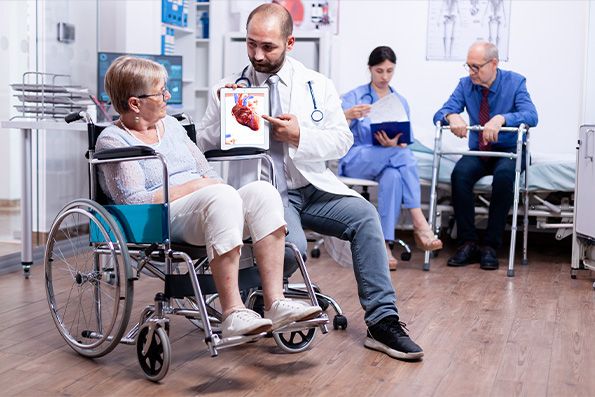
The effects of trauma injuries can continue long after the initial emergency. Depending on its severity, a patient may require surgery, hospitalisation, physiotherapy, rehabilitation, and long-term follow-up.
Traumatic brain injuries demonstrate the scale of this burden. In India, road traffic incidents are estimated to contribute to a substantial number of traumatic brain injuries every year.[2]
For patients, recovery may involve physical, emotional, and financial challenges. Families may also need to provide ongoing care and support during rehabilitation. In areas where specialised trauma services are less accessible, delays in diagnosis and treatment may further affect recovery.
This makes timely access to appropriate trauma care an important part of improving outcomes.
How Can Trauma and Its Complications Be Prevented?
Trauma prevention requires a combination of individual responsibility, safer environments, effective regulations, and accessible healthcare services.
Important measures include:
Following road safety regulations and using seat belts and helmets appropriately.
Improving road design, signage, lighting, and other infrastructure.
Strengthening workplace safety measures at construction and industrial sites.
Promoting awareness about fall prevention at home and in public spaces.
Improving access to emergency medical services and trauma centres.
Educating communities about appropriate first-response measures.
Prevention also involves reducing complications after an injury occurs. Delays in receiving appropriate care can increase the risk of complications and affect recovery.
Evidence from road safety interventions demonstrates the potential impact of coordinated prevention measures. A World Bank report highlighted a 54% reduction in fatalities over three years following safety interventions along a high-risk highway corridor.[3]
These findings reinforce the need for a combined approach involving prevention, infrastructure, enforcement, emergency response, and timely medical care.
The Role of Public Awareness in Trauma Management
Public awareness plays an important role in the early management of traumatic injuries. In many emergencies, the first person to respond may be a family member, colleague, or bystander rather than a healthcare professional.
Basic knowledge of first-response measures can help provide appropriate assistance while professional medical help is being arranged. This may include contacting emergency services, applying direct pressure to external bleeding when appropriate, and avoiding unnecessary movement of a seriously injured person.
Awareness programmes in schools, workplaces, and communities can help people understand what to do. World Trauma Day provides an opportunity to reinforce these messages and promote trauma preparedness.
How Can Healthcare Systems Improve Trauma Care?
Effective trauma management requires more than treatment at an individual hospital. It depends on a coordinated system connecting emergency response, transportation, trauma centres, specialist care, and rehabilitation.
Rapid transport is especially important for patients with critical injuries. There should be a provision to establish trauma centres near high-risk routes. There have been various efforts in India that have been made in this regard.
Healthcare systems can also benefit from standardised trauma registries. Consistent data on injury patterns, treatments, and patient outcomes can help identify gaps and support better planning for trauma services.
A well-connected trauma care network can help ensure that patients receive appropriate care at the right time.
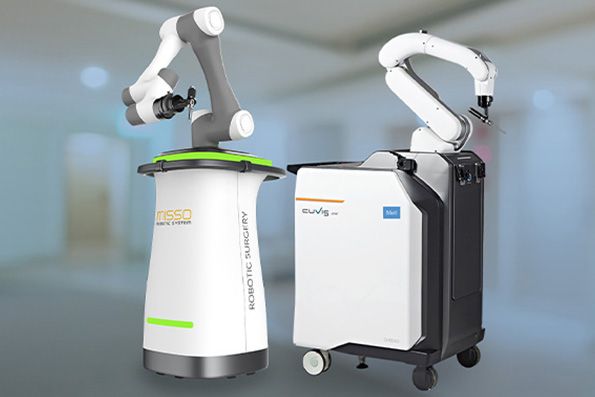
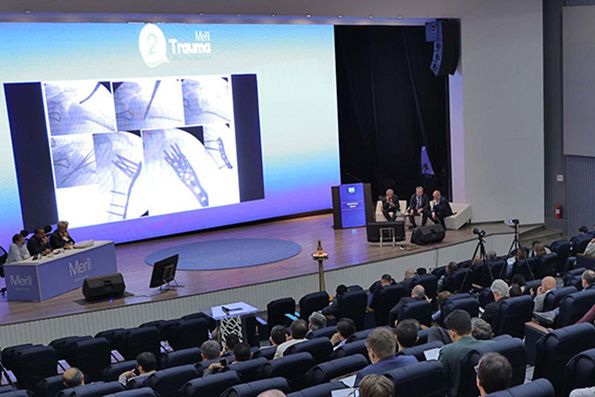
In orthopaedic trauma, developments in fixation systems, implants, and biomaterials may provide treatment options for complex fractures and musculoskeletal injuries. These technologies can support injury stabilisation and help healthcare professionals deliver treatment tailored to individual patient needs.
Digital technologies are also contributing to trauma management. Electronic trauma records, data-driven systems, and technology-enabled emergency response can improve coordination and decision-making.
Conclusion
World Trauma Day brings to attention one of the most important issues in the health sector by emphasizing the prevention of injuries and effective management through the development of trauma care systems.
Although all injuries cannot always be avoided, everyone can have a part to play in responding adequately in case an injury takes place. For those individuals without any medical experience, it does not involve trying to diagnose or treat the injury; rather, it involves being calm, recognizing that help is required, and asking for help.
Alongside safer environments, responsible behaviour, emergency preparedness and timely access to medical care, informed first response can become an important part of the journey from injury to recovery. Continued collaboration among communities, healthcare professionals, policymakers, and medical technology innovators will be essential to strengthening trauma care and improving patient outcomes.