Arthroscopic Procedures in Sports Medicine: Uses and Benefits
Introduction
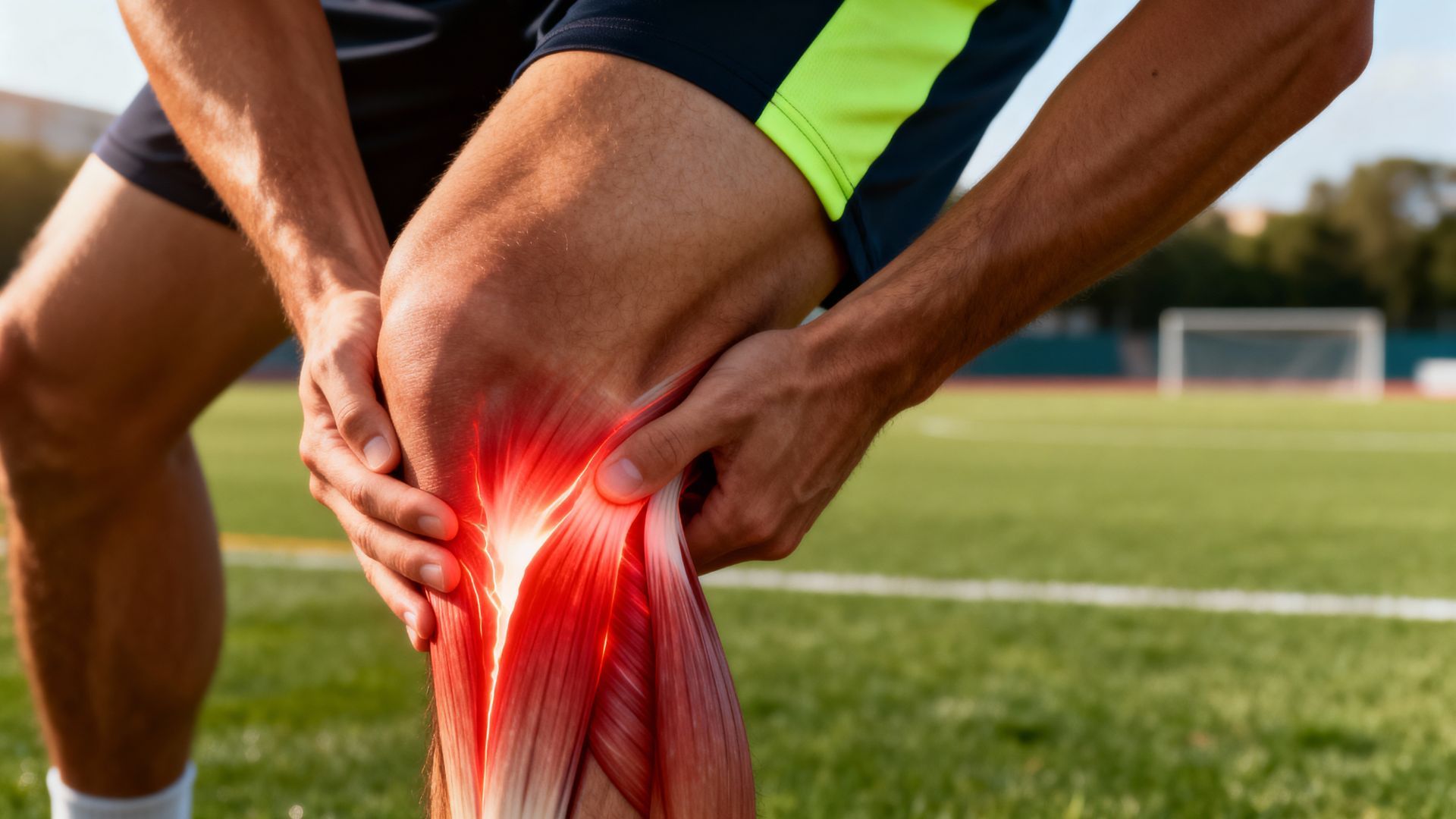
Sports injuries are common among athletes and individuals with active lifestyles, but they are not limited to any particular age group. Whether it is a ligament tear during a football match or shoulder instability from repeated overhead movements, timely and effective treatment is essential.
You can be an athlete recovering from a knee injury, a weekend runner with a nagging shoulder problem, or just someone who is curious about modern medicine. Surgical approaches have evolved, and one such advancement is arthroscopy, which doctors use to diagnose and treat joint problems with greater precision. For you as a patient, this often means smaller incisions, quicker recovery, and better outcomes.
What is Arthroscopy?
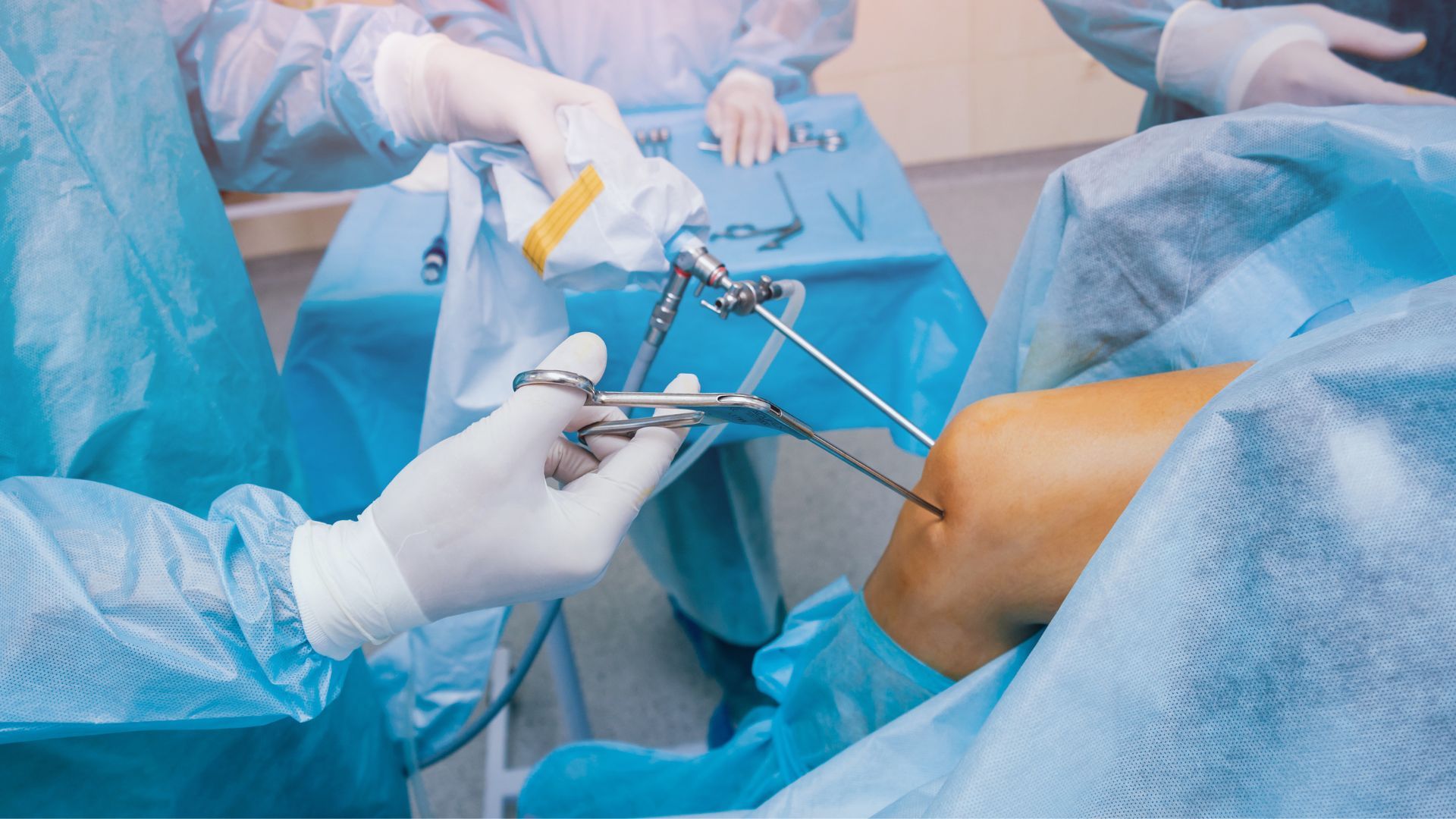
Arthroscopy, which is referred to as an arthroscopic procedure. It is a minimally invasive procedure used to examine and treat problems inside a joint.
A small camera called an arthroscope is inserted into the joint
It transmits images to a screen, helping the surgeon see clearly
Special instruments are used through tiny incisions to perform treatment
According to the NHS, arthroscopy is commonly used on joints such as the knee, shoulder, ankle, elbow, and wrist.[1] Instead of fully opening the joint, surgeons work through small cuts with high precision.
Why Arthroscopic Procedures Are Preferred for Sports Injuries
Arthroscopy has become the preferred approach in sports medicine due to its ability to combine diagnosis and treatment in one procedure.
Apart from the duality of the surgery, some reasons include:
Minimal tissue damage when compared to open surgery
Better visualization of joint structures using high-definition cameras
Reduced hospital stay, often same-day discharge
Lower risk of infection at the site due to smaller incisions[3]
For example, an athlete with a meniscus tear can undergo arthroscopy and begin rehabilitation much earlier compared to traditional surgery.
Types of Sports Injuries Treated with Arthroscopy
Arthroscopy is widely used for a range of sports injuries.
Common conditions include:
Ligament injuries (ACL, PCL tears)
Meniscus tears in the knee
Rotator cuff tears in the shoulder
Labral tears (shoulder/hip)
Cartilage damage
Joint inflammation or loose fragments
Common Injuries and Arthroscopic Use
Injury Type | Common Joint | Arthroscopy Use |
ACL Tear | Knee | Reconstruction |
Meniscus Tear | Knee | Repair or trimming |
Rotator Cuff Tear | Shoulder | Tendon repair |
Labral Tear | Shoulder | Stabilisation |
Cartilage Damage | Knee/Ankle | Smoothing or graft procedures |
Arthroscopic Knee Surgery: Applications and Benefits
The knee is one of the most frequently treated joints using arthroscopy, especially in athletes.
Common procedures:
ACL reconstruction
Meniscus repair
Cartilage restoration
Removal of loose bodies
Benefits for patients:
Smaller scars
Faster return to walking and sports
Less post-operative pain
Arthroscopy enables accurate treatment of knee injuries, leading to improved functional outcomes.
Arthroscopic Shoulder Surgery in Athletes
Shoulder injuries are common in sports like cricket, tennis, and swimming. Arthroscopy plays a key role in the treatment of these conditions.
Some common operations on shoulders include:
Repairing the rotator cuff
Labral repair surgery (for instability)
Bone spur removal
Why it matters for athletes:
Joint movement
No stiffness
Rapid recovery
For instance, a fast bowler who suffers from shoulder instability can regain strength and range of motion with targeted arthroscopic repair.
How Arthroscopic Procedures Work: Step-by-Step Overview
Here is the arthroscopic procedure step-by-step process:
Administration of anaesthesia (either local or general)
Making small cuts around the joint area
Insertion of an arthroscope into the joint
Using surgical instruments to repair/remove parts
Stitches are used to close the small cuts
The entire procedure usually can take between 30 minutes and 2 hours, depending on complexity.
Key Benefits of Arthroscopy for Sports Injury Management
Clinical advantages:
Less bleeding during surgery
Reduced soft tissue trauma
Lower complication rates
Patient-focused benefits:
Shorter recovery time
Minimal scarring
Early mobilisation
Reduced hospital costs in many cases
According to the Cleveland Clinic, arthroscopy often allows patients to return to daily activities more quickly than open surgery.[2]
Recovery Timeline after Arthroscopic Surgery
Recovery depends on the type of injury and procedure performed.
General recovery phases:
Weeks 1-2: Pain and swelling reduction
Weeks 2-6: Introduction to movement
Weeks 6-12: Building strength and undergoing physiotherapy
Months 3-6: Back into sports activities (in most cases)
What influences recovery:
Severity of injury
Type of procedure
Patient fitness and adherence to rehab
A small tear in a patient's meniscus might heal faster than an ACL reconstruction.
Risks and Limitations of Arthroscopic Procedures
Arthroscopic surgery is relatively safe, but like any surgery, it carries risks.
Possible complications:
Infection (rare)
Blood clots
Joint stiffness
Incomplete healing in some cases
Limitations:
Cannot be performed on joints that suffer from serious damage
Cannot be a substitute for joint replacement for patients with advanced arthritis
Needs a proper rehabilitation program for the best results
Understanding these helps you set realistic expectations.
When Do Doctors Recommend Arthroscopy for Sports Injuries?
Doctors recommend arthroscopy when other treatment methods do not work.
Common indications:
Pain that does not go away even after physiotherapy
Joint instability leading to poor athletic performance
Symptoms such as locking of the joints
Tears seen in MRI scans
In many cases, early intervention helps prevent further joint damage.
Advancements in Arthroscopic Techniques in Sports Medicine
Arthroscopy continues to evolve with technological innovation.
Recent advancements:
High-resolution and 3D cameras
Small and accurate instruments
Biological treatment is used alongside arthroscopic surgery
Improved fixation devices for ligament repair
These advancements are improving surgical precision and patient outcomes globally, particularly in rapidly growing sports medicine.
Conclusion
Arthroscopy has changed how sports injuries are treated. With minimal intervention, it enables a precise diagnosis, proper treatment, and a quick recovery.
As an active person, you will be able to return to your normal activities and sports with assurance. But success in these depends on accurate diagnosis, sound surgical planning, and effective rehabilitation.
When you experience joint discomfort or instability for an extended period, seeking medical advice is very important.