
























Understanding Ligament and Tendon Injuries in Active Individuals
Introduction
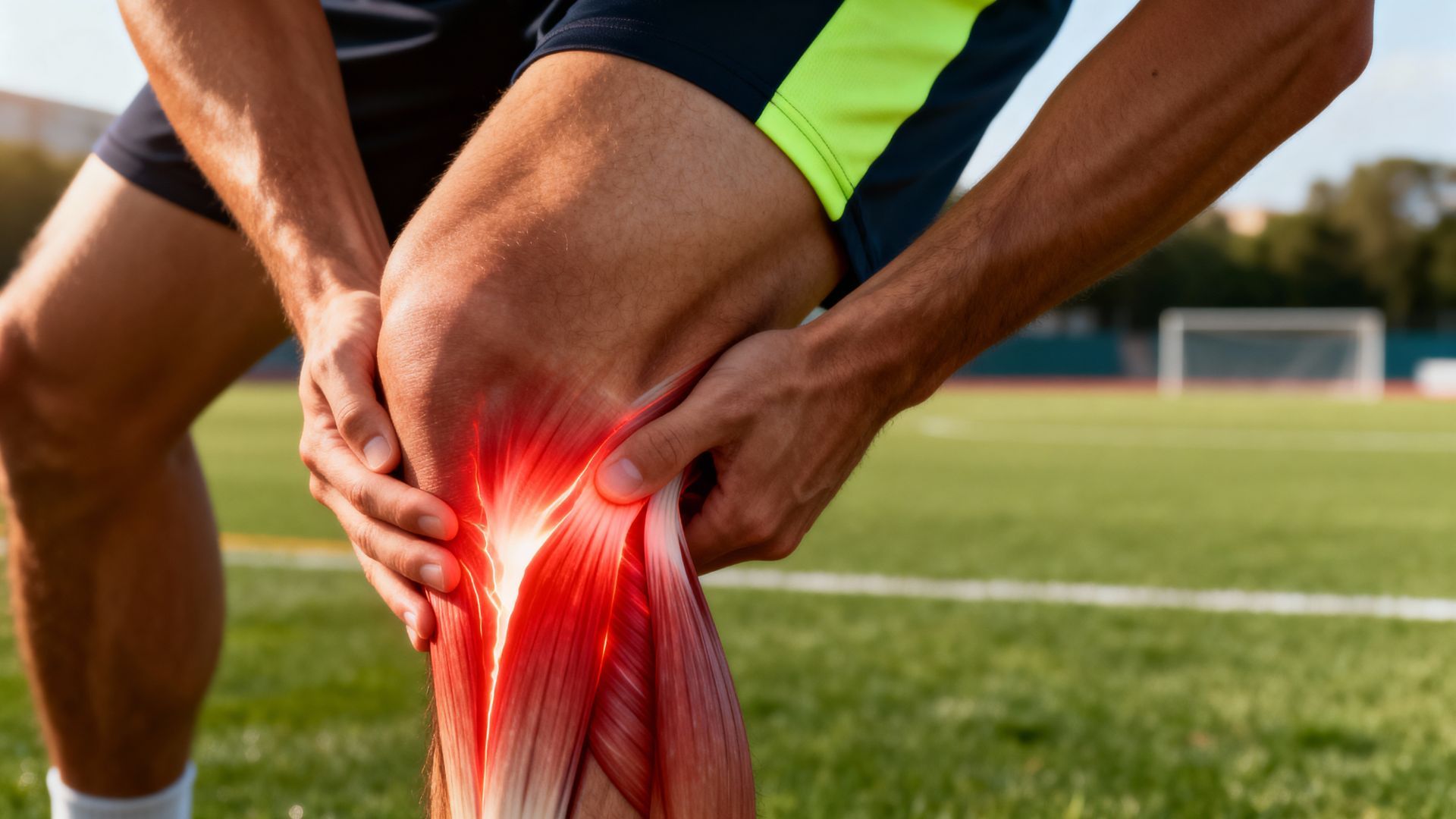
People who are physically active, be it playing a sport professionally or just enjoying a morning run, face issues with ligament and tendon injuries. It is probably something many have already dealt with or may experience at some point. Ligament and tendon injuries are among the most common issues in physically active individuals, yet they are often overlooked until they begin to interfere with movement or performance.
These injuries can range from mild strains to more severe tears that will require medical attention. The nature, early signs, and treatment pathways of ligament or tendon injuries can help you respond appropriately and reduce long-term impact.
How Ligament and Tendon Injuries Differ?
Ligaments and tendons are connective tissues, but they serve different mechanical roles in the body.
Ligaments connect bone to bone. They hold your joints together and keep them stable. Think of the ACL in your knee; it stops your knee from wobbling when you pivot or land from a jump.
Tendons connect muscles to bone. They transmit the force your muscles generate into movement. The Achilles tendon is located at the back of your ankle. It carries the full force of your calf muscles every time you take a step.
How do ligaments and tendons change in an active individual?
In active individuals, ligament injuries are common with sudden stress, while tendon injuries often develop gradually from repeated strain.
Research indicates that tendon injuries are frequently linked to repetitive micro trauma, whereas ligament injuries are more often acute and trauma-related.[1]
High-Risk Movements and Sports That Can Lead to Injury
Certain activities that involve sudden directional changes, jumping, or rapid deceleration can cause jerks, particularly in the knees and ankles. Repetitive actions can strain tendons over time.
High-Risk Movements
Sudden changes and movement, like pivoting
Landing awkwardly from a jump
Abrupt deceleration, jerks, and stopping quickly while at full speed
Repetitive overhead motions, like throwing or smashing
Heavy lifting with improper form in gyms
Individuals with high training intensity and inadequate recovery are more susceptible to tendon injuries, particularly in weight-bearing joints.
Early Warning Signs Athletes Often Overlook
Pain and discomfort get brushed under the carpet as "just soreness", until the injury becomes serious. Here are the early warning signs you must not ignore:
Persistent stiffness in a joint that does not go away after warming up
A dull, nagging ache during or after activity, especially if it keeps returning
Mild swelling around a joint with no clear cause
A feeling of weakness or instability in the joint, like your ankle "giving way".
Tenderness when you press on a specific spot near a joint or along a tendon
Pain that worsens with specific movements but feels fine at rest
Morning stiffness around the knee, heel, or shoulder that takes time to loosen up
These symptoms tend to worsen if left untreated. So, addressing them early can prevent damage.
Acute vs Overuse Injuries: Why the Cause Matters
The cause of injury influences diagnosis and recovery. There are two common types of injuries:
Acute Injuries
These happen suddenly, in a single moment. A bad landing, a collision, or a misstep can immediately tear or sprain a ligament or tendon. The pain is usually immediate and severe.
Overuse Injuries
These develop gradually over time due to repetitive stress. There is no single moment of injury; the tissue breaks down slowly due to wear and insufficient recovery.
Acute injuries are typically easier to identify because they occur during a specific event. Overuse injuries, however, develop slowly and are often ignored until pain becomes limiting. This difference is important because overuse injuries require long-term activity modification rather than just short-term rest.
Common Injury Sites in Active Individuals
Certain joints are more prone to ligament and tendon injuries due to their roles in movement and load-bearing.
Some frequently affected areas include:
Knee (ACL, MCL, patellar tendon)
Ankle (ligament tear or sprains)
Shoulder (rotator cuff tendons)
Achilles tendon (running-related injuries)
Elbow (repetitive strain injuries)
According to UMMS, repetitive hand and wrist movements can also lead to tendon-related injuries in sports that require grip and precision.[3]
Role of Imaging and Clinical Evaluation in Diagnosis
When you visit a doctor for a ligament or tendon injury, they will use a combination of clinical examination and imaging tools to assess the damage.
Common diagnostic tools:
X-rays are used to rule out fractures
MRI provides detailed soft-tissue imaging
Ultrasound is useful for tendon assessment
MRI and ultrasound are imaging methods for detecting ligament tears and complex soft-tissue injuries.
Non-Surgical Management: When Rest and Rehab Are Enough
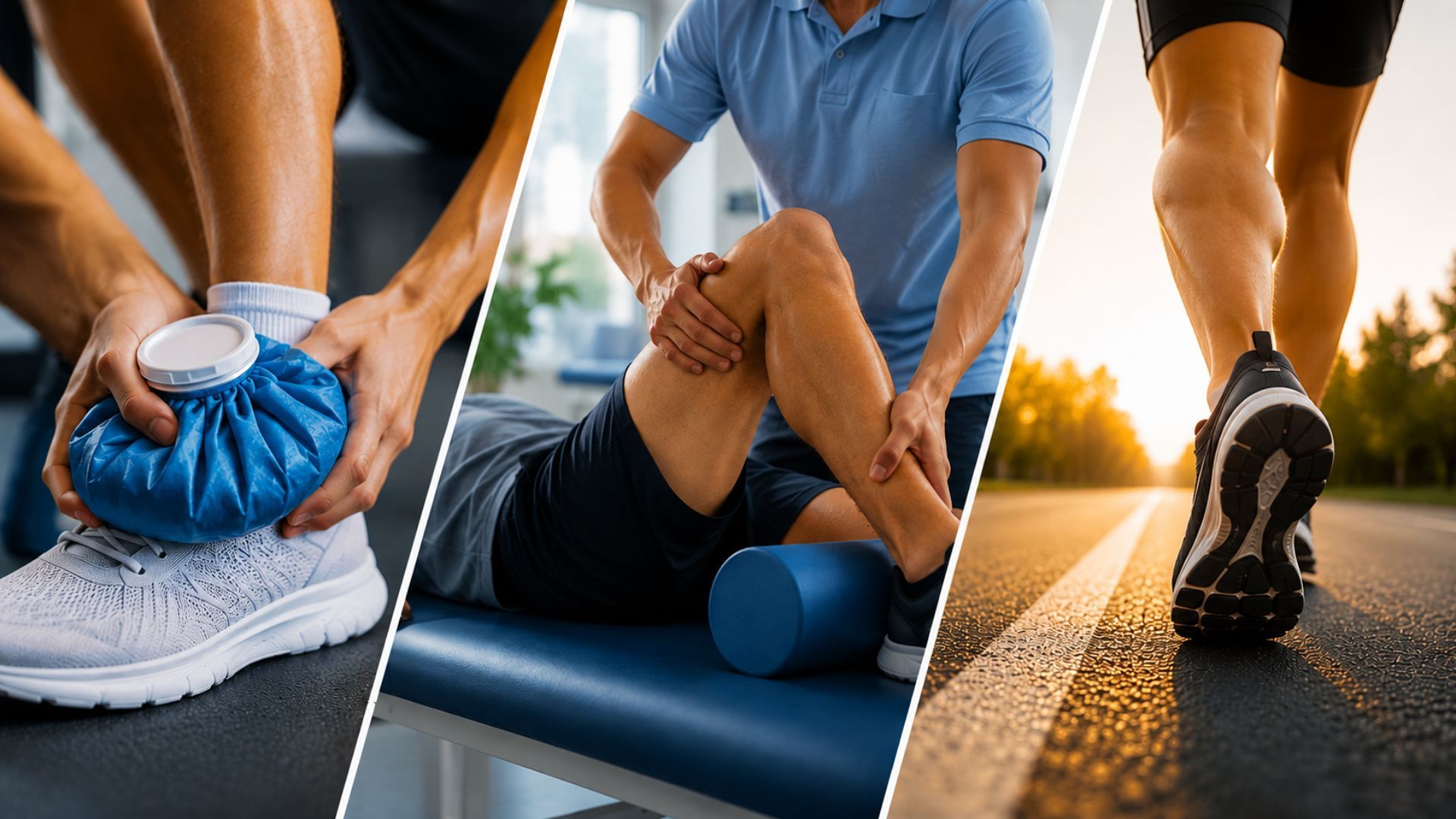
A number of ligament and tendon injuries can be managed without surgery, especially when identified early. Conservative treatment focuses on reducing further damage and inflammation and on restoring function. It involves rest, followed by structured post-injury care procedures, of which physio is essential.
Physiotherapy is a central part of recovery by improving strength, flexibility, and joint stability over time. Many individuals regain full function without surgical intervention when they adhere to rehabilitation protocols.
Surgical Intervention: When and Why It Becomes Necessary
Surgical treatment is considered in more severe cases, particularly when there is a complete tear or persistent instability.
The decision for surgery comes after a doctor has assessed the problem, and it depends on several factors, including:
Severity of the injury
Functional demands of the individual
Response to non-surgical treatment
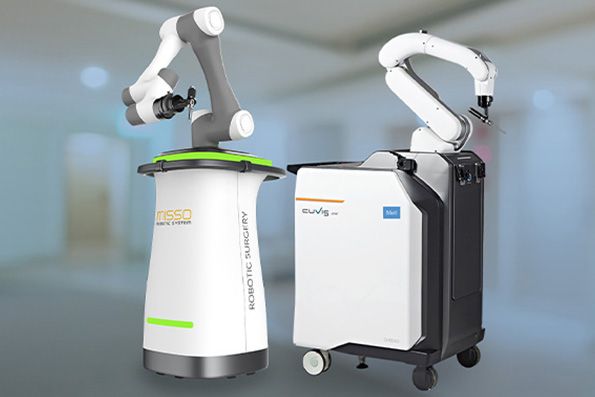
Surgical techniques today are often minimally invasive and aim to restore both structure and function.
Preventing Re-Injury: Strength, Mobility, and Conditioning Strategies
When it comes to tendon and ligament recovery does not end when the symptoms subside. Preventing recurrence requires long-term attention to strength, flexibility, and movement patterns. A structured approach to conditioning can reduce the risk of injury.
Key preventive measures:
Supporting the area when under stress
Strengthening the surrounding supporting muscles
Maintaining flexibility and joint mobility
Following proper technique during activity
Gradual progression in training intensity
For example, a runner recovering from an Achilles injury should increase training load progressively rather than returning to full intensity immediately.
Conclusion
Ligament and tendon injuries are common yet underestimated and a common part of an active lifestyle, but they do not have to result in long-term limitations. Recognising the issue early, accurate diagnosis, and appropriate management are crucial to recovery.
Knowing how these injuries can happen and being cautious, you can continue to stay active while protecting your musculoskeletal health.