Bone & Joint Day: Q&A on Bone and Joint Health
Introduction
Bone and joint health often becomes noticeable only when it begins to interfere with ordinary movement. A stiff knee while climbing stairs, a shoulder that refuses to rotate, or back pain after a minor fall may look small at first. Yet bones, joints, muscles, tendons and ligaments work as one system, and strain in one part can disturb the rest.
Bone & Joint Day serves as an important reminder of the need to protect musculoskeletal health through awareness, prevention, and timely care. Observed to encourage people to recognise early symptoms and adopt healthy habits, the day highlights how strong bones and healthy joints are essential for maintaining mobility and independence throughout life.
This Q&A addresses common questions about weak bones, painful joints, arthritis, osteoporosis, knee stiffness, and treatment. The aim is simple: notice symptoms early, ask the right questions, and avoid treating persistent pain as a normal price of ageing.
Why is bone and joint health important?
The musculoskeletal system supports posture, balance, walking, lifting, bending and daily independence. According to WHO, musculoskeletal conditions include more than 150 conditions that affect muscles, bones, joints and nearby connective tissues. These conditions can limit mobility and day-to-day activities, sometimes for years.[1]
- Healthy bones reduce the risk of fractures after falls or minor injuries.
- Flexible joints make walking, climbing, and sitting less effortful.
- Stronger muscles around a joint protect it from repeated strain.
- Good balance and mobility help older adults stay independent for longer.
- Movement also matters for mood, sleep, and social activity.
What are the common symptoms of bone and joint problems?
Bone and joint problems rarely announce themselves in a dramatic way. They may begin with pain after activity, morning stiffness, swelling around a joint, reduced range of motion, or a feeling of joint instability.
Symptom | What it may suggest | When to take it seriously |
Persistent joint pain | Arthritis, injury, inflammation, or overuse | If it lasts more than a few days or keeps returning |
Morning stiffness | Inflammatory or degenerative joint disease | If stiffness takes a long time to settle after waking |
Swelling or warmth | Inflammation, injury or infection | If it is sudden, painful, or linked with fever |
Low-impact fracture | Weak bones or osteoporosis | If a minor fall causes a fracture |
Knee locking or giving way | Meniscus, ligament or cartilage problem | If walking feels unsafe or unstable |
What causes bone and joint issues?
Some people develop problems due to age-related changes, while others face pain because of injury, excess body weight, repeated occupational strain, low physical activity, inflammatory disease, poor nutrition or family history.
Osteoarthritis is a condition in which cartilage and other tissues within the joint gradually break down. It commonly affects the hands, knees, hips and spine, and symptoms often progress gradually.[4]
Are bone and joint problems only age-related?
No, age increases risk, but it is not the whole story. A young athlete can have a ligament injury. A desk worker can develop neck or back pain. Inadequate calcium or vitamin D, particularly when combined with other risk factors, can adversely affect bone health.
- Sports injuries can damage ligaments, cartilage, or tendons.
- Repetitive work can irritate joints and surrounding tissues.
- Autoimmune conditions may cause joint inflammation at any age.
- Hormonal changes after menopause can accelerate bone loss.
- Inactivity weakens muscles that should support the joints.
When should you consult a bone and joint specialist?
A short-lived ache after unusual activity may settle with rest. A specialist review is wiser when pain persists, movement becomes restricted, swelling appears, walking changes, or a fall leads to lingering pain.
- Pain that interferes with sleep or daily walking should be assessed.
- Sudden painful, red, hot or swollen joint—particularly with fever or feeling unwell—requires urgent medical assessment.
- A joint that locks, buckles or feels unstable should not be ignored.
- Back pain after a fall in an older adult requires proper evaluation.
- Repeated fractures or height loss may point toward weak bones.
How can you know if your bones are weak?
Weak bones may not cause pain until a fracture occurs. Bone health is a lifelong issue, and bone density testing helps assess the risk of osteoporosis.[2] The test gives doctors a clearer view of whether bones have become fragile.
Your doctor may suggest a bone density test if you have had a low-impact fracture, are postmenopausal, take long-term steroid medicines, have a family history of osteoporosis, or show signs such as loss of height.
What is osteoporosis and how does it affect bone health?
Osteoporosis makes bones weak and brittle. Osteoporosis-related fractures most often occur in the hip, wrist or spine, and even mild stress can sometimes cause a break when bone strength is poor.[3]
It is often called "silent" because the person may feel normal until a fracture occurs. This is why screening, nutrition, exercise, and fall prevention become important, especially for people with known risk factors.
What are common joint disorders?
Osteoarthritis, where cartilage wears down, and movement becomes painful.
Rheumatoid arthritis is an inflammatory condition that may affect several joints.
Gout, in which monosodium urate crystals can trigger sudden, intense joint pain and swelling.
Bursitis occurs when cushioning sacs near joints become inflamed.
- Tendon and ligament injuries are often linked to sports, falls or twisting.
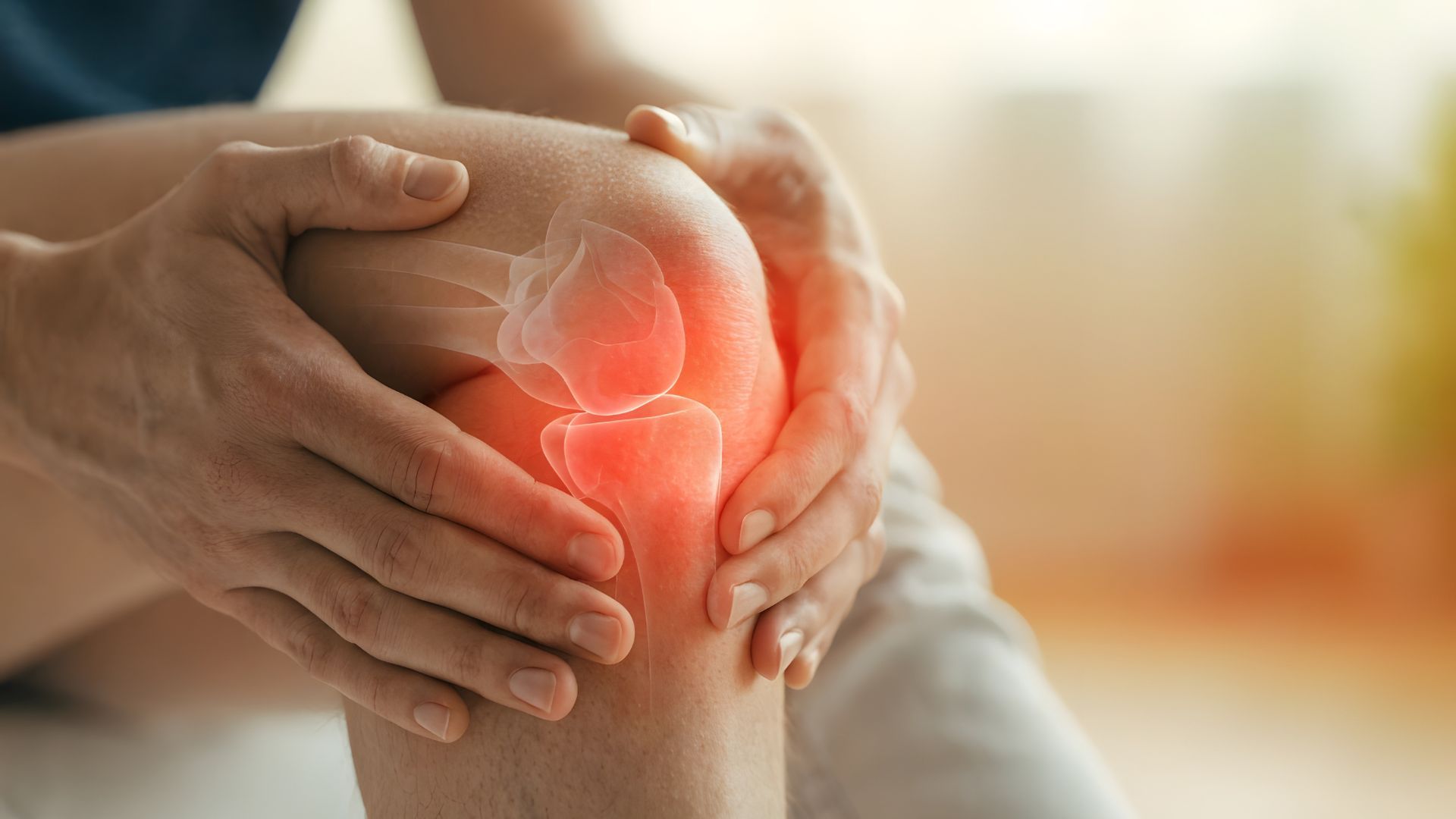
Arthritis of the knee can cause pain, swelling and stiffness. Several types can affect the knee, though osteoarthritis is the common form in many adults. [7]
What causes knee pain, stiffness, or ligament injuries?
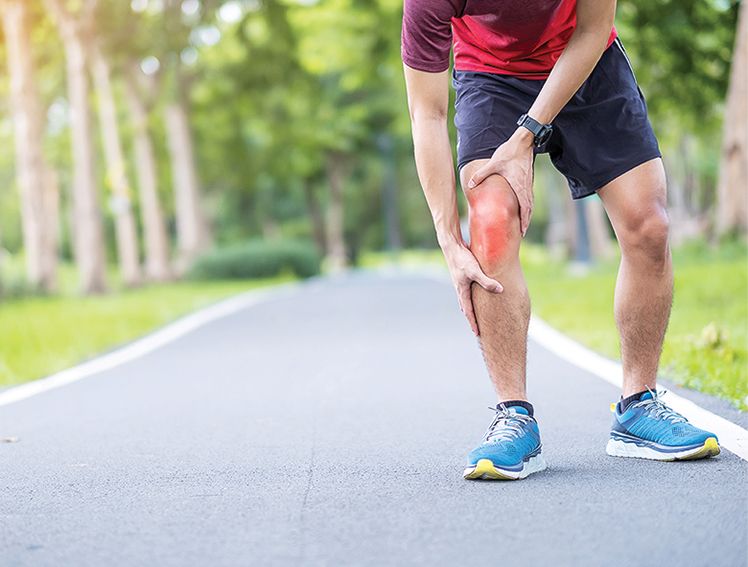
Knee pain can come from injury, arthritis, torn cartilage, ruptured ligaments, gout or infection. Injuries and medical conditions are among the common causes, which is why knee pain should be interpreted in light of the person’s age, activity level, and injury history.[5]
Knee complaint | Possible reason | Useful next step |
Pain after twisting | Ligament sprain or meniscus injury | Avoid forcing movement and consult a doctor |
Gradual stiffness | Osteoarthritis or reduced mobility | Assess weight, strength and joint function |
Swelling after injury | Internal joint injury or inflammation | Medical evaluation is safer |
Pain while climbing stairs | Knee arthritis or kneecap tracking issue | Physiotherapy may be advised |
Knee giving way | Ligament weakness or instability | Specialist assessment is important |
Can you exercise if you have joint pain or arthritis?
Often, yes, but the type and intensity matter. Exercise can reduce joint pain and stiffness, improve flexibility, and build muscle support around affected joints. Exercise has been part of osteoarthritis management, usually started slowly and adjusted to tolerance.
- Choose low-impact movement such as walking, cycling or water exercise.
- Add strengthening exercises only after learning the correct technique.
- Stop movements that cause sharp pain or swelling after activity.
- Use heat or gentle stretching for stiffness if your doctor agrees.
- Ask a physiotherapist for a plan if the pain has lasted for weeks.
What treatments are available for bone and joint issues?
Treatment may include pain or inflammation medications, physiotherapy, lifestyle changes, bracing, injections, bone-strengthening treatments, or surgery for advanced damage. The first step is not the treatment itself, but accurate diagnosis.
For osteoarthritis, care often focuses on reducing pain, improving function and maintaining quality of life. Treatments may begin with education, exercise, weight management and medicines, and then move to procedures if symptoms remain severe.[6]
Conclusion
Bone & Joint Day serves as a reminder that strong bones and healthy joints are essential for staying active, independent, and maintaining a good quality of life. While occasional aches and pains may seem harmless, persistent symptoms such as joint pain, stiffness, swelling, or fractures after minor injuries should not be ignored.
Raising awareness, recognising early warning signs, adopting healthy lifestyle habits, and seeking timely medical advice can help prevent complications and support lifelong musculoskeletal health. This Bone & Joint Day, take a step towards protecting your bones and joints by making your musculoskeletal health a priority.
FAQs


References
https://www.who.int/news-room/fact-sheets/detail/musculoskeletal-conditions
- https://www.niams.nih.gov/health-topics/preventing-another-broken-bone
- https://www.mayoclinic.org/diseases-conditions/osteoporosis/symptoms-causes/syc-20351968
- https://www.mayoclinic.org/diseases-conditions/osteoarthritis/symptoms-causes/syc-20351925
- https://www.mayoclinic.org/diseases-conditions/knee-pain/symptoms-causes/syc-20350849
- https://www.niams.nih.gov/health-topics/osteoarthritis/diagnosis-treatment-and-steps-to-take
- https://my.clevelandclinic.org/health/diseases/21978-arthritis-of-the-knee