What to Do Immediately After a Fracture?
Introduction
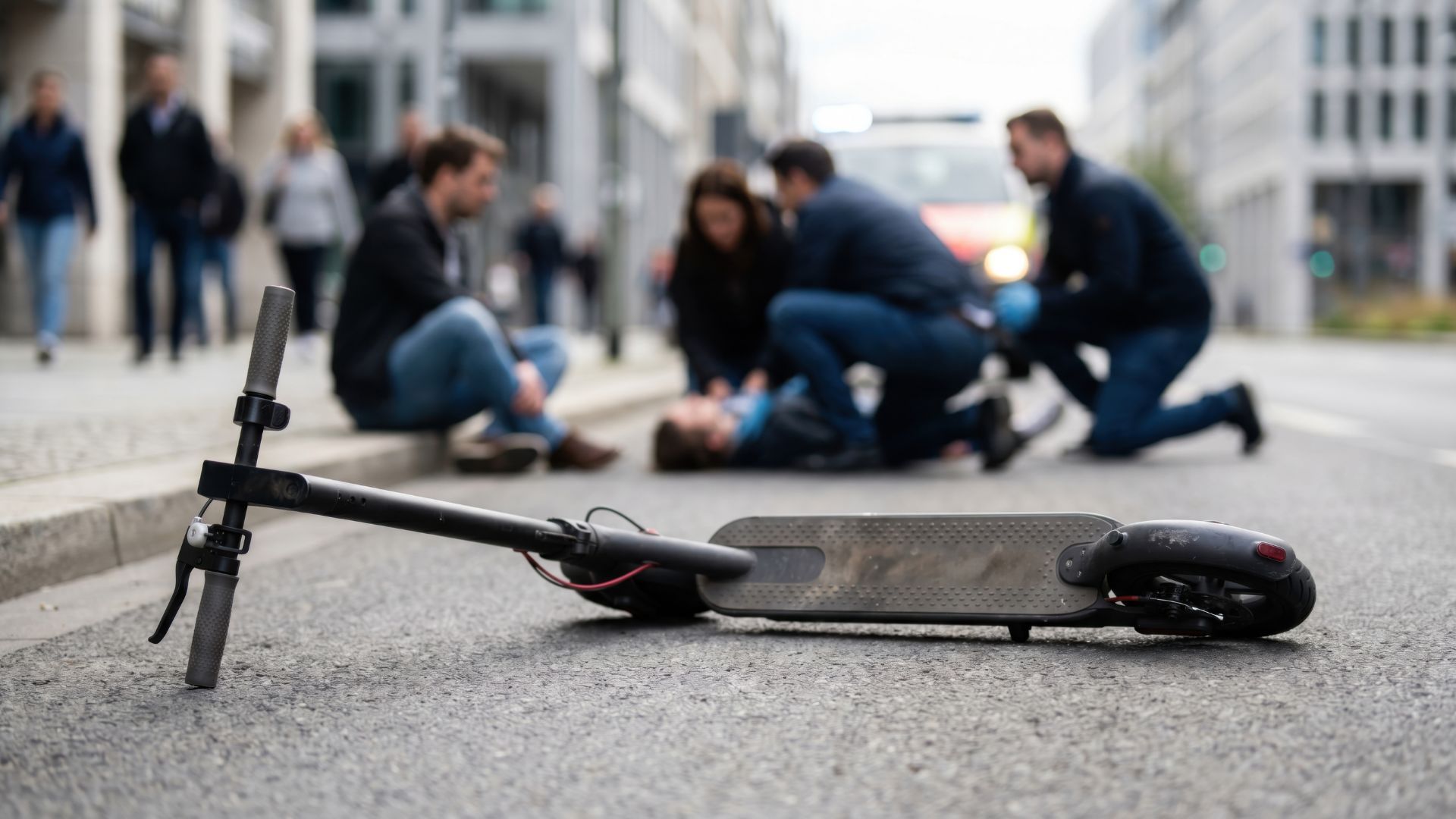
Imagine slipping on a wet floor or taking a bad fall during a cricket match. There's sharp pain, and something doesn't feel right. Could it be a fracture? In India, over 600,000 hip fractures occur every year, and fractures are among the leading causes of disability, especially after 50.[1] The steps you take in the first few minutes matter enormously. This guide tells you exactly what to do.
How to Identify a Possible Fracture
Fractures don't always look dramatic. A hairline crack can feel like a bad sprain. Watch for these signs:
Intense, localised pain that worsens with movement or touch
Swelling and bruising appearing within minutes to hours
Visible deformity: the limb looks bent, twisted, or out of place
Difficulty moving the affected area normally
A 'snap' or 'crack' sound at the time of injury
Numbness or tingling near the injury site
Some of the common fracture symptoms include pain, swelling, tenderness, inability to move a body part normally, bruising, and visible deformity. When in doubt, always get an X-ray; sprains and fractures can feel identical.
When a Fracture Needs Emergency Help
Some situations need a 108 call right away. Don't wait:
If the person is unconscious or not breathing, begin CPR immediately
Heavy, uncontrolled bleeding
Bone visible through the skin (open/compound fracture)
Suspected neck or spine fracture: do not move the person
Fingertip or toe tip turns numb, pale, or blue
Signs of shock: pale skin, rapid shallow breathing, confusion
According to StatPearls (NCBI), open fractures occur at 30.7 per 100,000 persons per year and carry serious risks, including neurovascular injury and wound contamination. Motor vehicle accidents, highly prevalent in India, account for 34.1% of open lower-extremity fractures.[2]
Immediate First Aid Steps after a Fracture
When waiting for professionals to arrive, follow these steps:
Stay calm, reassure the injured person, and keep them still.
Call for help, dial 108 for emergencies, or arrange transport to the hospital.
Stop bleeding; press a clean cloth firmly over any open wound. Don't probe it.
Don't move the injured area; unnecessary movement worsens the injury.
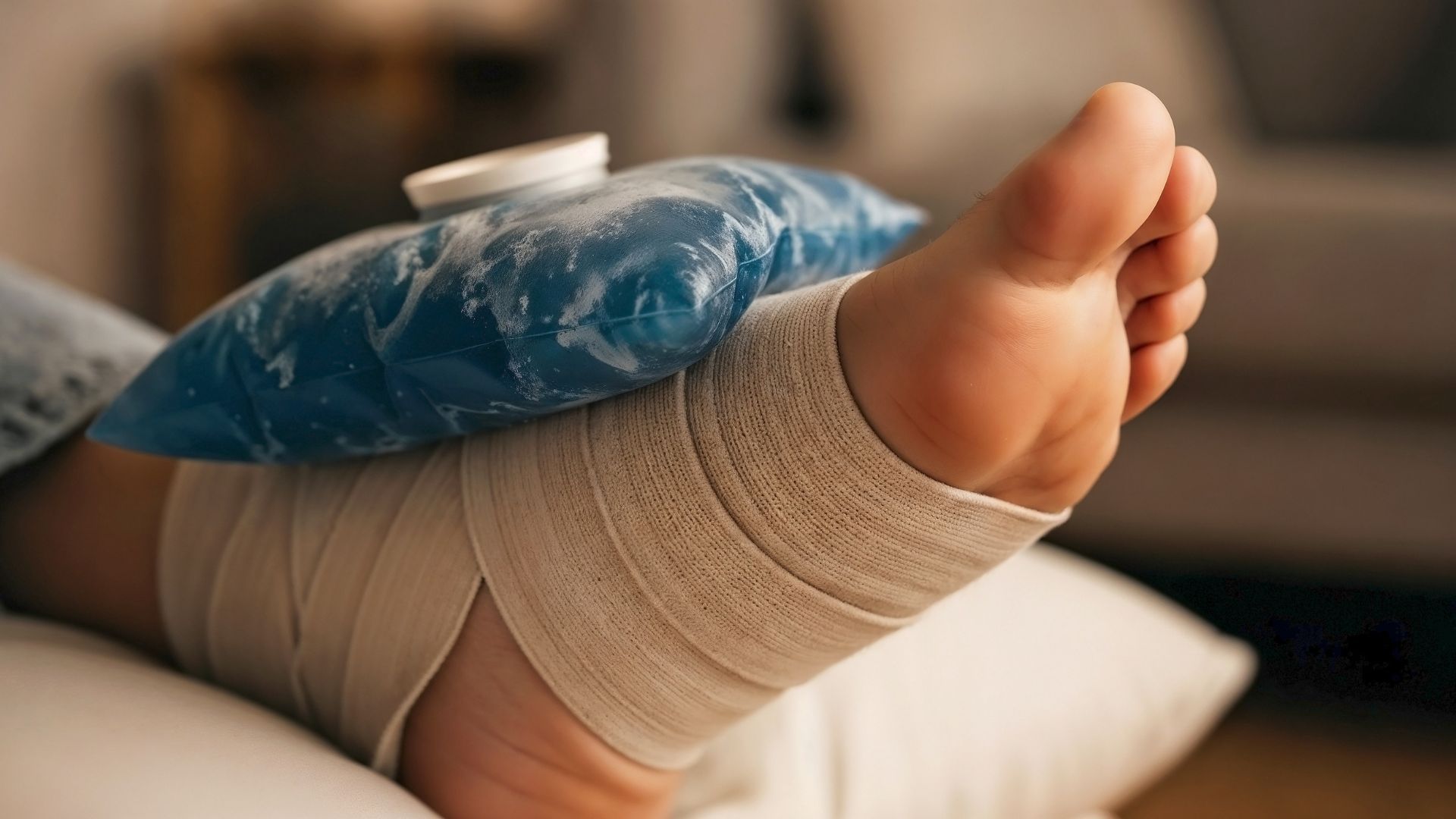
Apply a cold pack, wrap ice in a cloth, and place it gently over the area to reduce swelling.
Elevate if possible; raise the limb above Heart level to reduce swelling.
Treat for shock: lay the person flat, head slightly lower than the body, legs raised.
For open fractures, the StatPearls NCBI review recommends irrigating the wound with at least 1 litre of saline, then covering it with a sterile dressing. Repeatedly uncovering the wound increases the risk of infection.[2] Once covered, leave it alone.
How to Immobilise the Injured Area
Immobilisation prevents further damage to bones, nerves, and blood vessels. Here's a quick reference:
Fracture Site | How to Immobilise | Watch For |
Forearm / Wrist | Rolled magazine + bandage; support with sling | Finger colour & sensation |
Lower Leg / Ankle | Folded blanket around leg; tie above & below fracture | Toe colour & movement |
Upper Arm | Strap arm to body; sling for support | Hand circulation |
Finger / Toe | Buddy tape to the adjacent digit with padding | Tip colour & circulation |
Spine / Neck | DO NOT MOVE -use rolled towels to prevent head movement | Breathing & consciousness |
Note: These are emergency measures only. All fractures require professional medical evaluation.
How Fractures Are Treated After Initial First Aid
First aid steps such as stabilising the injury, controlling swelling, and preventing movement are important to avoid further damage. However, most fractures still require medical evaluation to confirm severity and determine the appropriate treatment approach.
Depending on the type and severity of the fracture, treatment may involve casts, splints, or surgery to restore proper bone alignment and stability. In fractures that require surgical fixation, orthopaedic implants play an important role in supporting bone healing and recovery.
One such example is Auric™ Bionik Gold Surface by Meril Life, which is designed for surgical fracture fixation. It is designed with a Titanium Niobium Nitride (TiNbN) ceramic surface that improves biocompatibility, reduces ion release, and helps lower the risk of adverse tissue reactions, while maintaining the implant’s mechanical performance required for fracture stabilization.
What Not to Do After a Fracture
Don't try to realign the bone; only doctors should set bones; attempting it damages nerves and vessels.
Don't apply ice directly to skin; always wrap it in cloth to prevent frostbite.
Don't give food or water; surgery may be needed, requiring an empty stomach.
Don't massage the injury; this can dislodge bone fragments and cause further damage.
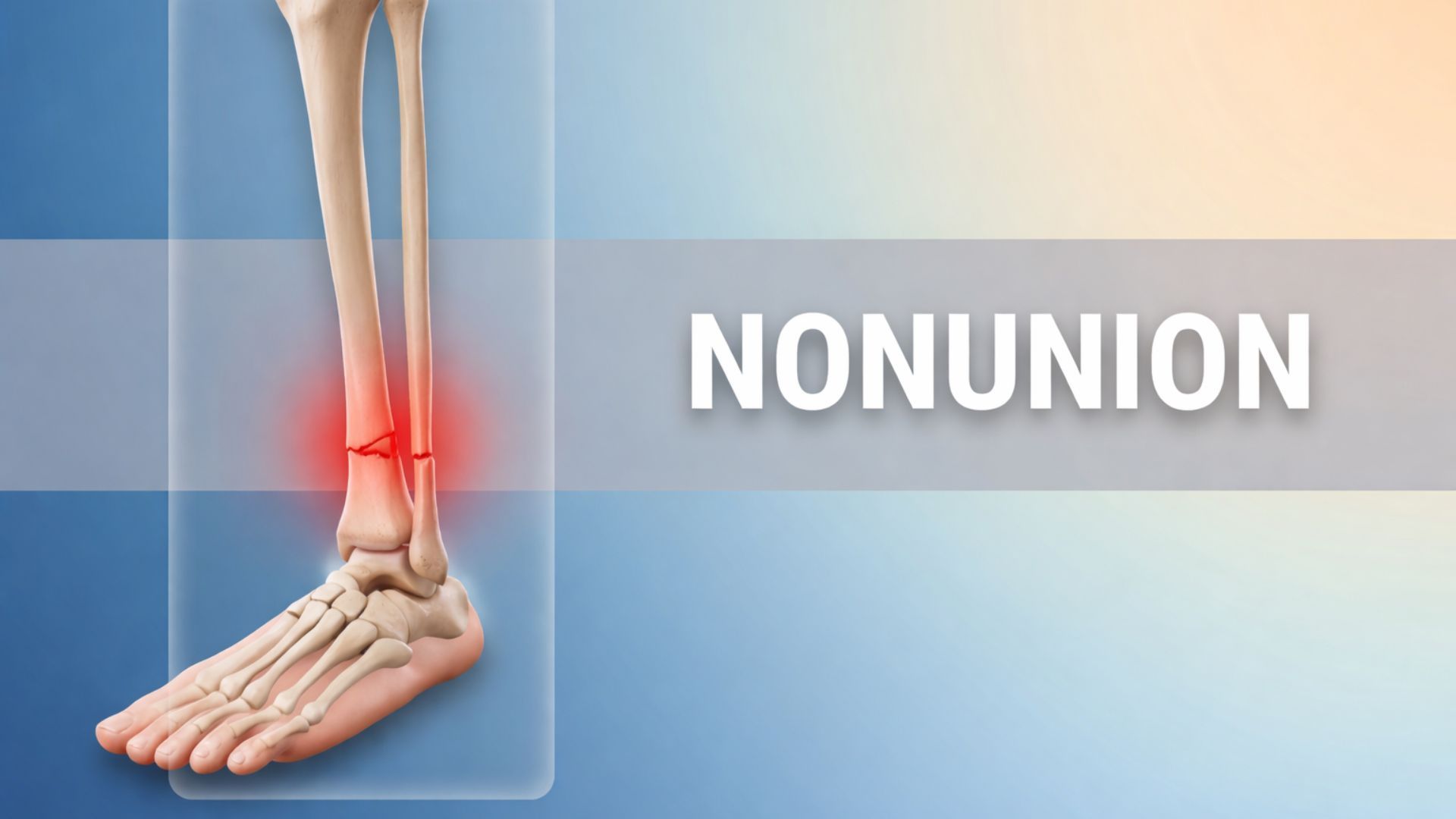
Don't ignore it and 'walk it off', untreated fractures lead to malunion or non-union.
Don't repeatedly expose an open wound; each exposure significantly increases the risk of infection.
Signs That Need Urgent Medical Attention
Even after first aid, watch for these warning signs that mean you need to return to the hospital immediately:
Pain in spite of immobilization, which might be due to compartment syndrome
Numbness or tingling sensation, indicating nerve damage
Change of color or pallor, which may be an indication of a lack of blood circulation
Fever or discharge in a wounded area, which could be deadly
Tightness of the cast or splint, which may indicate increased pressure due to swelling
Leaving it untreated can cause it to heal improperly and lead to malunion, non-union, bone infections, and compartment syndrome as real fracture complications, especially when injuries are poorly managed or ignored.
Conclusion
The first few moments after sustaining a fracture can be significant in determining the recovery process. Being able to identify any red flags, like extreme pain, swelling, deformed shape, and inability to use the part that was fractured, is necessary. Should you find yourself in cases of open fractures, back injury, excessive bleeding, and signs of shock, calling 108 is crucial. Before help arrives, make sure that the fractured area remains still and avoid trying to set the bones yourself. Refrain from touching the part, exposing open wounds, and making any adjustments. Be vigilant of any new symptoms, including fever.
Stay safe, stay informed, and always seek help when you need it.