






















Hard Arteries and Poor Circulation: Why Calcium Matters
Introduction
Arteries are supposed to be flexible, smooth, and resilient, almost like a rubber hose that easily lets water flow through. But over time, calcium deposits can build up within the walls of these vessels, making them stiffer and narrower. When this happens, blood doesn't move through as freely as it should. And when blood flow slows down or gets restricted, every part of your body, your heart, legs, brain, and kidneys, starts to feel the impact.
This blog breaks down exactly what happens when arteries harden, why calcium is necessary, and how it quietly affects your life. Most importantly, it explains what you can do about it.
Why Artery Health Matters for Blood Circulation
A healthy artery has smooth inner walls that allow blood to flow without friction or resistance. They can also widen or narrow slightly in response to your body's needs, expanding when you exercise to allow more blood to reach your muscles. When arteries lose this ability, because they've become stiff or blocked, the whole delivery network breaks down.
What Are Hard Arteries (Arterial Calcification) and Why It Happens?
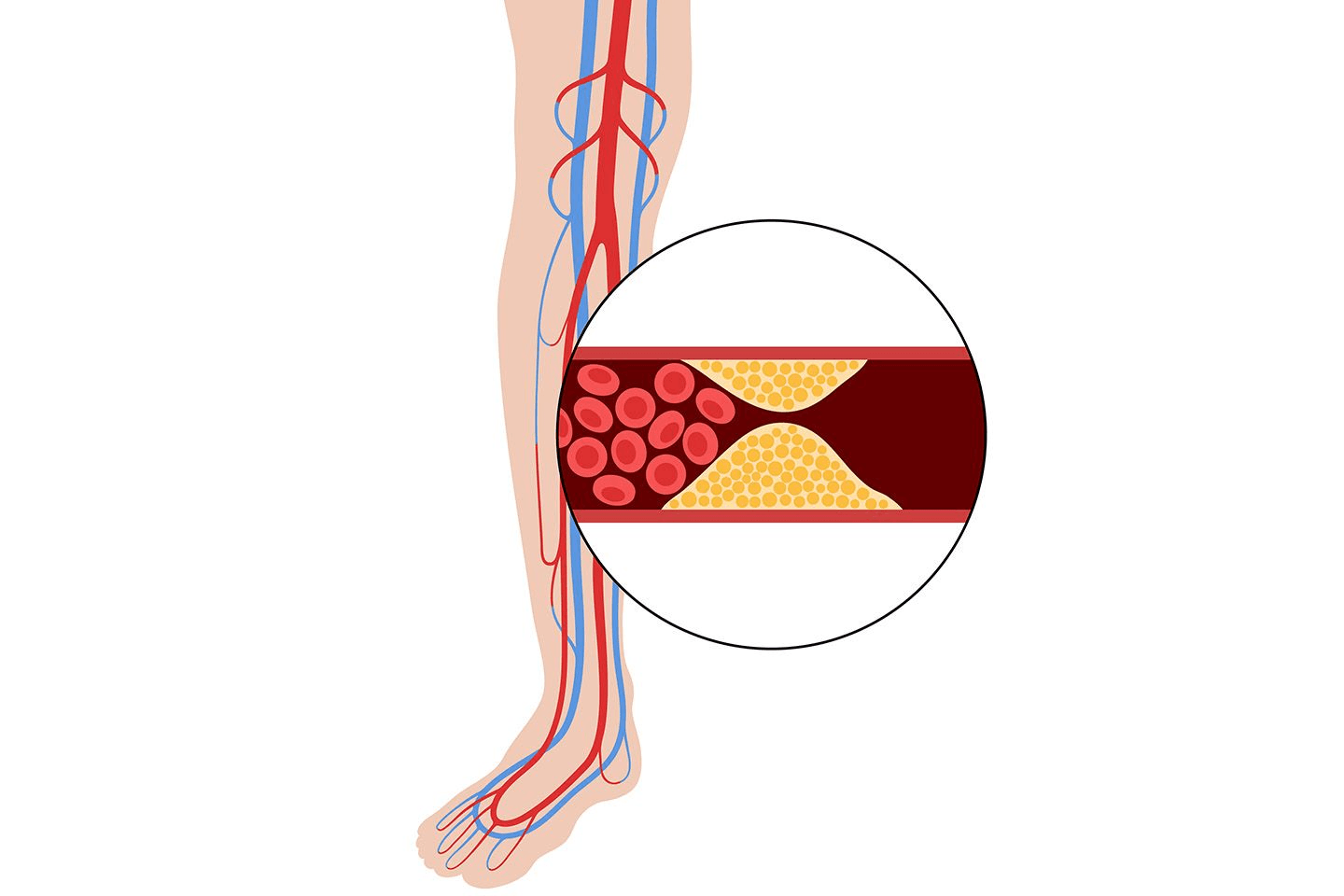
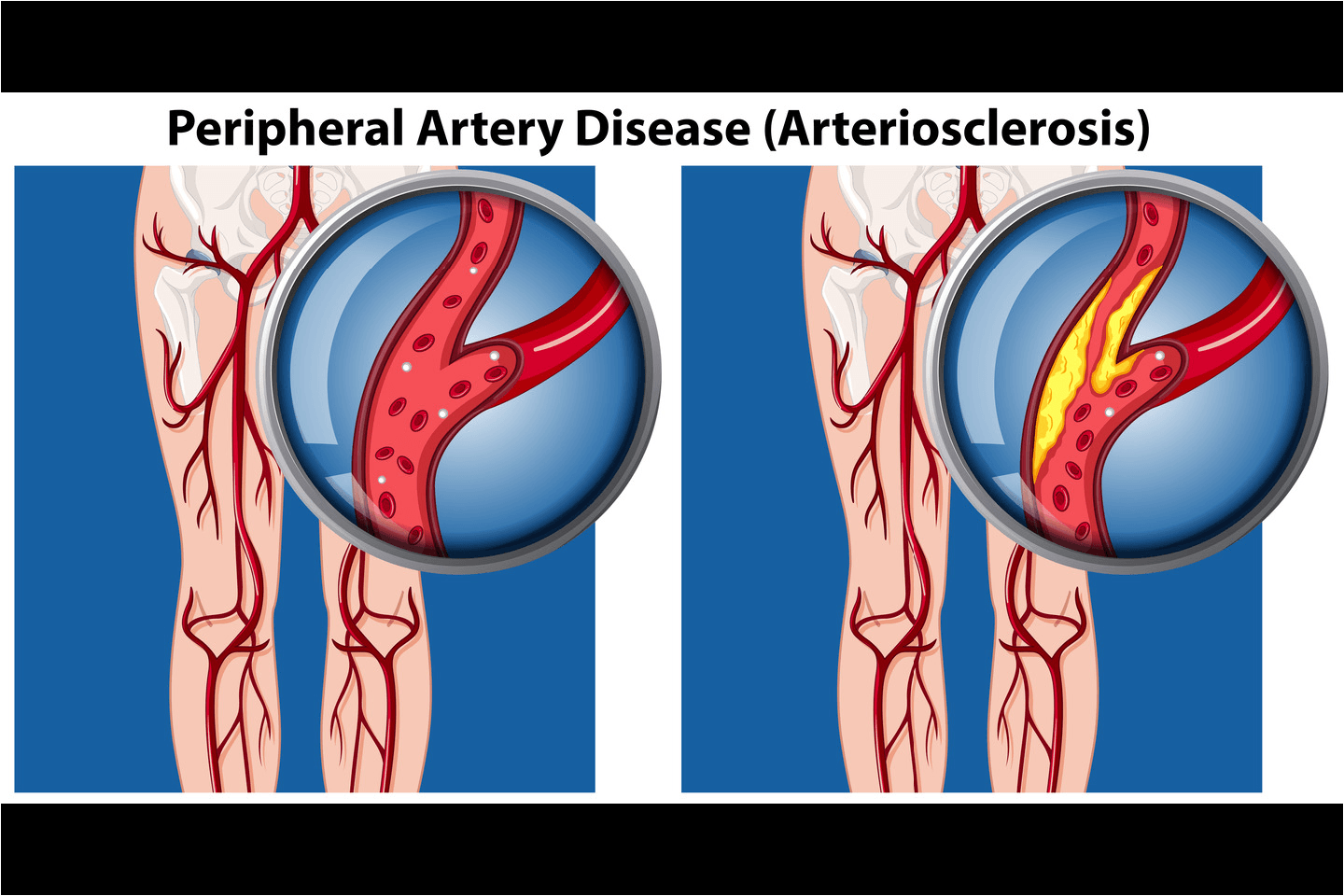
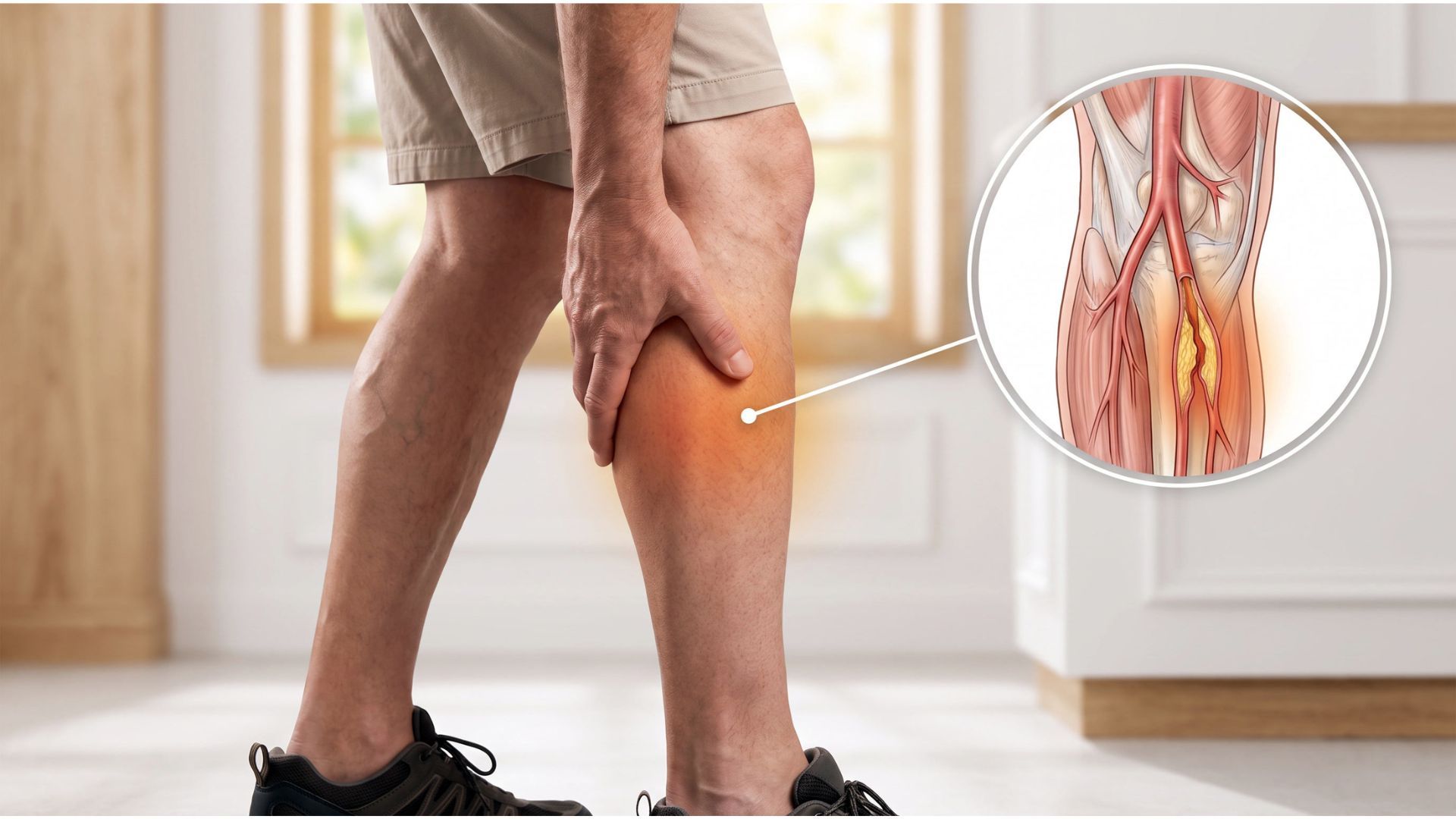
Arterial calcification means calcium has collected inside the walls of your arteries.[1] You might think of calcium only in terms of bones and teeth, and yes, calcium is essential for those. But when it ends up depositing inside blood vessel walls, it causes them to stiffen and sometimes narrow.
Arterial calcification develops gradually and is closely linked to a condition called atherosclerosis, in which fat builds up as plaque along artery walls. Calcium then collects within or around these plaques, making them harder and more rigid.[1]
How Calcium Builds Up in Arteries
Calcium builds up in arteries in a similar way to how it forms in bones, through a process involving mineral deposits that the body triggers in response to damage or disease. Here is a way to understand it:
Plaque first forms along the artery wall when fat and cholesterol accumulate there.
The body's immune system recognises this plaque as a threat and sends inflammatory cells to address it.
Over time, cells within the plaque begin to behave like bone-forming cells, triggering calcium to deposit in the area.
As calcium hardens around the plaque, the artery wall becomes stiffer and less flexible.
The longer the condition goes unaddressed, the more calcium builds up, and the harder and narrower the artery becomes.[2]
How Reduced Blood Flow Affects the Body and Limbs
Reduced circulation doesn't always announce itself with dramatic symptoms. Ways that reduced blood flow makes itself known include the following:
Cold or numb feet and hands, even in warm environments.
A persistent feeling of heaviness or achiness in the legs.
Cramping in the calves or thighs when walking, this eases with rest.
Slow-healing wounds or sores on the feet or ankles.
Discolouration of the skin on the legs, with pale, bluish, or reddish patches.
Swelling in the lower limbs, particularly in the evenings.
Common Risk Factors for Arterial Calcification
Several factors can increase the likelihood that calcium will deposit in your arteries. Some are within your control; others are part of your biology or background:
Risk Factor | Why It Matters |
Older Age | Arterial calcification becomes more common with ageing.[3] |
High Blood Pressure | Constant high blood pressure can damage artery walls, promoting plaque and calcium buildup. |
High Cholesterol | Excess LDL cholesterol contributes to plaque formation in arteries. |
Diabetes | High blood sugar levels accelerate vascular damage and inflammation. |
Chronic Kidney Disease | Impairs the body's ability to regulate calcium and phosphate levels. |
Family History | Genetic factors can predispose individuals to early-onset calcification. |
Symptoms That May Indicate Circulation Problems
Not everyone with arterial calcification will experience noticeable symptoms right away, which is part of what makes this condition tricky. These include:
Leg pain or cramping that occurs during physical activity and resolves with rest.
A persistent feeling of fatigue or weakness in the limbs without an obvious cause.
Wounds or cuts on the feet or lower legs that take unusually long to heal.
A weak or absent pulse in the feet or legs.
Symptoms That May Suggest More Serious Circulatory Involvement
Shortness of breath or chest discomfort during light exertion.
Frequent dizziness or sudden confusion may indicate reduced blood flow to the brain.
These symptoms don't always indicate arterial calcification, but they are signals from your body that deserve medical attention.
Ways to Support Arteries and Blood Circulation
Calcification is difficult to reverse, but progression can be slowed, and plaques stabilised. There is a great deal you can do to slow its progression and support better circulation. Here's where you start:
Stay physically active: Regular walking, swimming, or cycling improves circulation and keeps the blood flowing.
Eat a heart-friendly diet: Focus on whole grains, fruits, vegetables, lean proteins, and healthy fats.
Manage your blood pressure and cholesterol: These two factors are among the most controllable contributors to arterial damage.
Keep blood sugar in check: Maintaining stable blood sugar levels reduces damage to blood vessels.
Stay hydrated: Drinking enough water helps maintain healthy blood volume and circulation throughout the body.
Manage stress: Chronic stress raises blood pressure and promotes inflammation.
When to Seek Medical Advice for Circulation Problems
It is always better to get checked sooner rather than later. You should speak to a doctor if you experience any of the following:
Unexplained pain, cramping, or heaviness in your legs, especially if it occurs when walking
Persistent coldness or numbness in your hands or feet
Wounds on your feet or lower legs that aren't healing properly
Sudden chest pain, breathlessness, or palpitations
If you experience dizziness, sudden weakness, or difficulty speaking, seek emergency help immediately, as these could be signs of stroke.
A doctor can assess your circulation using simple tests to get a clearer picture of what's inside your arteries.
Conclusion
Hardened arteries and poor circulation are conditions rooted in identifiable causes, and to a meaningful extent, they can be prevented, slowed, and managed. Calcium deposition is a later-stage feature of atherosclerosis and contributes to arterial stiffness, quietly stiffening vessels that should remain flexible and open.
The most important thing you can do is stay aware. And don't put off a conversation with your doctor just because your symptoms seem mild or manageable. Your circulatory system works quietly and constantly to keep you going; giving it the care and attention it deserves is an investment in your long-term health.