Internal vs External Hemorrhoids: Why Treatment Response Is Different
Introduction
Hemorrhoids are one of those topics nobody really wants to talk about. But here's the thing: they're incredibly common, and staying quiet about them often means people suffer longer than they need to.
If you've been dealing with discomfort, bleeding, or itching and wondering why your friend's treatment worked quickly while yours seems to be taking forever, the answer often lies in the type of hemorrhoid you have. Not all hemorrhoids are the same. Where they develop, how they behave, and how your body responds to treatment can be very different. And understanding that difference is the first step toward real relief.
Understanding the Different Types of Hemorrhoids
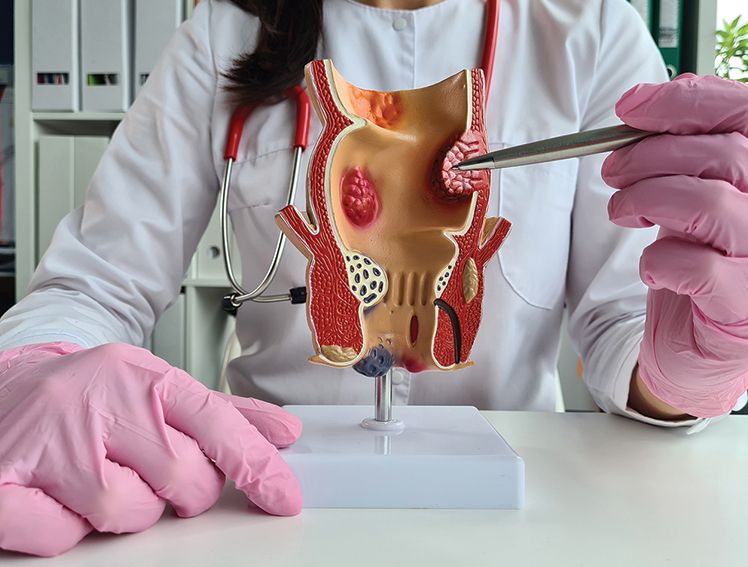
Hemorrhoids are swollen veins in the lower rectum or anus. They are broadly classified into two types:
Internal Hemorrhoids
They are located inside the rectum
Usually not visible externally
Often painless due to fewer pain-sensitive nerves
May cause painless bleeding during bowel movements
External Hemorrhoids
Found under the skin around the anus
Easily visible or felt as lumps
Can be painful, especially when thrombosed (clotted)
Associated with itching, irritation, and swelling
Feature | Internal Hemorrhoids | External Hemorrhoids |
Location | Inside the rectum | Around the anus |
Pain Level | Usually painless | Often painful |
Bleeding | Common | Less common |
Visibility | Not visible | Visible lumps |
Treatment Response | Often responds to simple care | May need targeted treatment |
Why Symptoms and Pain Can Vary Between Individuals
It has probably happened that you have come across individuals experiencing severe pain, and on the other hand, some only feel mild discomfort. The main reason for this lies in the body's structure and nerve supply.
The internal type is found in areas with fewer pain receptors and thus remains undetected.
The external one, on the other hand, is found at nerve-rich spots, thus making them highly aware of any pain.
There are also certain lifestyle choices that contribute to the same. Lifestyle factors like diet, hydration, and bowel habits also influence symptoms. Also, conditions like constipation or prolonged sitting can worsen the severity. Someone with a desk job and a low fibre intake may experience more intense symptoms than someone with active habits.
How Treatment Approaches Differ
Here's where it gets really important, because treating an internal hemorrhoid is fundamentally different from treating an external one.
For internal hemorrhoids, the goal is usually to reduce blood flow to the swollen vein and shrink it, often without surgery. Since the area isn't very sensitive, procedures like rubber band ligation can be done comfortably in a clinic.
For external hemorrhoids, treatment focuses more on relieving pain, reducing swelling, and preventing complications like clotting. The area tends to be very sensitive, hence even minor treatments can be painful. Surgical intervention through drainage may be necessary for thrombosed external hemorrhoids.
What works for internal won't always work for external, and that's why self-diagnosis and self-treatment can sometimes make things worse.
What to Expect from Non-Surgical Treatments
Most hemorrhoids improve without surgery, especially in the early stages.[1]
Dietary and lifestyle changes that work well for both types:
Increase fibre intake; aim for 25–35g every day
Drink 8–10 glasses of water daily
Avoid straining during bowel movements
Don't sit ideally on the toilet for a long period
Topical treatments (primarily for external hemorrhoids):
Creams and ointments with hydrocortisone or lidocaine to reduce itching and swelling
Sitz baths are when the anal area is soaked in warm water for 10–15 minutes, about 2–3 times a day, and are highly effective for soothing external hemorrhoid pain.
Oral medications:
Supplements can help strengthen vein walls and reduce bleeding, useful for both types.
Stool softeners to prevent straining
When Procedures Become More Effective
If symptoms persist, doctors may recommend minimally invasive procedures.
Common Procedures for Internal Hemorrhoids
- Rubber band ligation: It cuts off the supply of blood to the hemorrhoid.
- Sclerotherapy is an injection to shrink hemorrhoids.
- Infrared coagulation: Uses heat to reduce tissue.
Why These Work Better
- Target the root cause (blood flow)
- Less invasive than surgery
- Quick recovery time
External hemorrhoids, especially thrombosed haemorrhoid ones, may require different approaches, including clot removal.
When is Surgery Recommended?
Surgery is typically considered when:
Internal hemorrhoids have reached Grade III or IV and don't respond to banding or injections.
There are mixed internal and external hemorrhoids that can't be treated with office procedures alone.
A thrombosed external hemorrhoid is large or hasn't improved within 72 hours.
There's persistent bleeding, significant prolapse, or strangulation.
Common surgical options include:
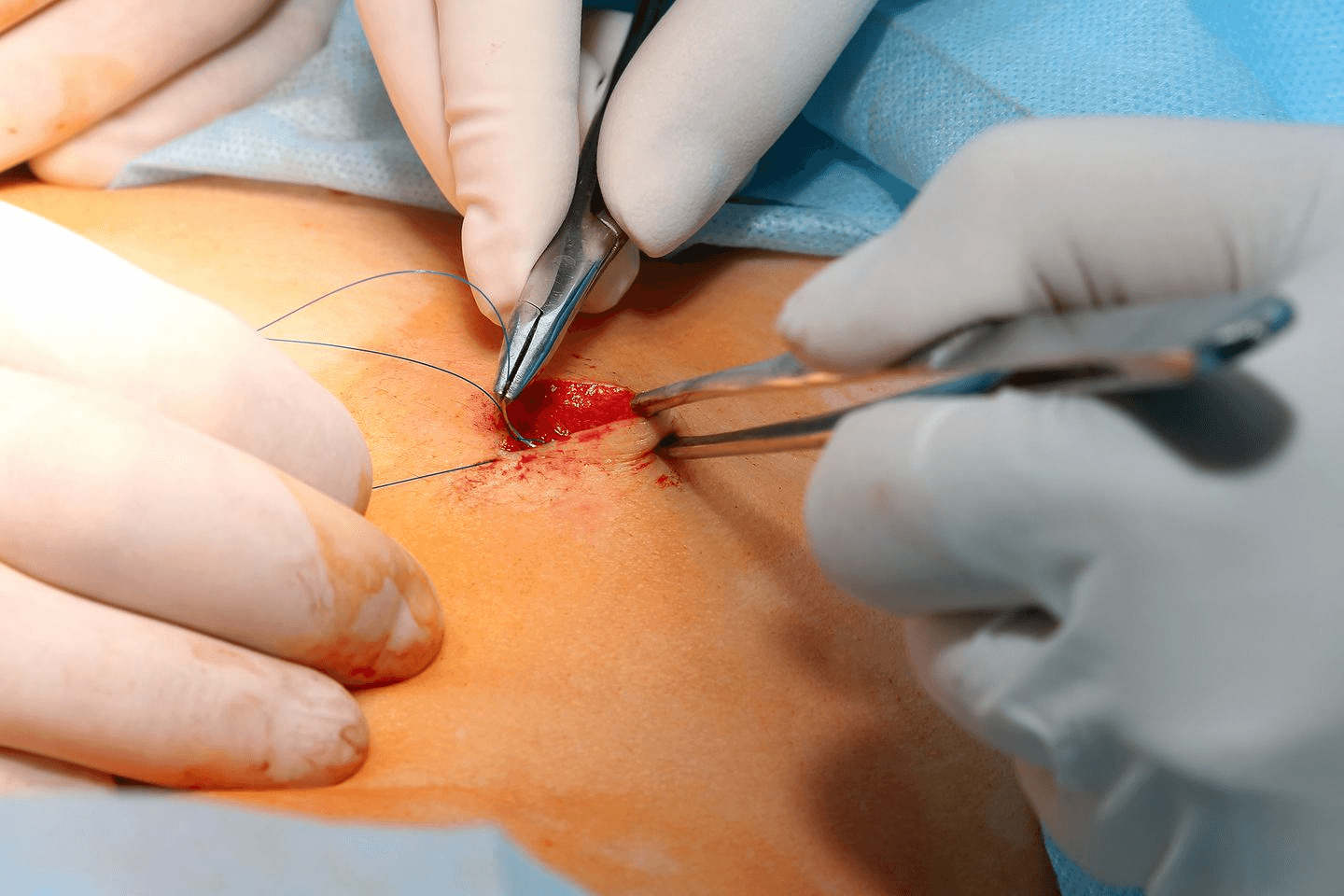
Hemorrhoidectomy: Surgery for the removal of the hemorrhoids.[2]
Stapled Hemorrhoidopexy (PPH): A stapling device repositions prolapsed internal hemorrhoids, resulting in less pain post-surgery but a slightly higher recurrence rate.
Laser Hemorrhoidoplasty: This method involves laser therapy, which is used to reduce the size of the hemorrhoids.[3]
Healing, Recovery, and Chances of Recurrence
Recovery timelines vary based on:
Type of hemorrhoid: External hemorrhoids may take longer to heal due to post-inflammatory skin changes
Treatment used: Dietary adjustments may take 4–6 weeks to show effect; banding results are seen in 1–2 weeks; surgical recovery can take 2–4 weeks
Recurrence Factors
Lifestyle-related hemorrhoids (from constipation, poor diet) have a higher chance of coming back if the root causes aren't addressed.
After rubber band ligation, recurrence is possible but manageable with repeat procedures.
Surgical hemorrhoidectomy has the lowest long-term recurrence rate.
Recurrence is common without lifestyle modification.
How Anatomy Influences Treatment Outcomes
Here's something many people don't know: your body's anatomy plays a surprising role in how hemorrhoids develop and respond to treatment.
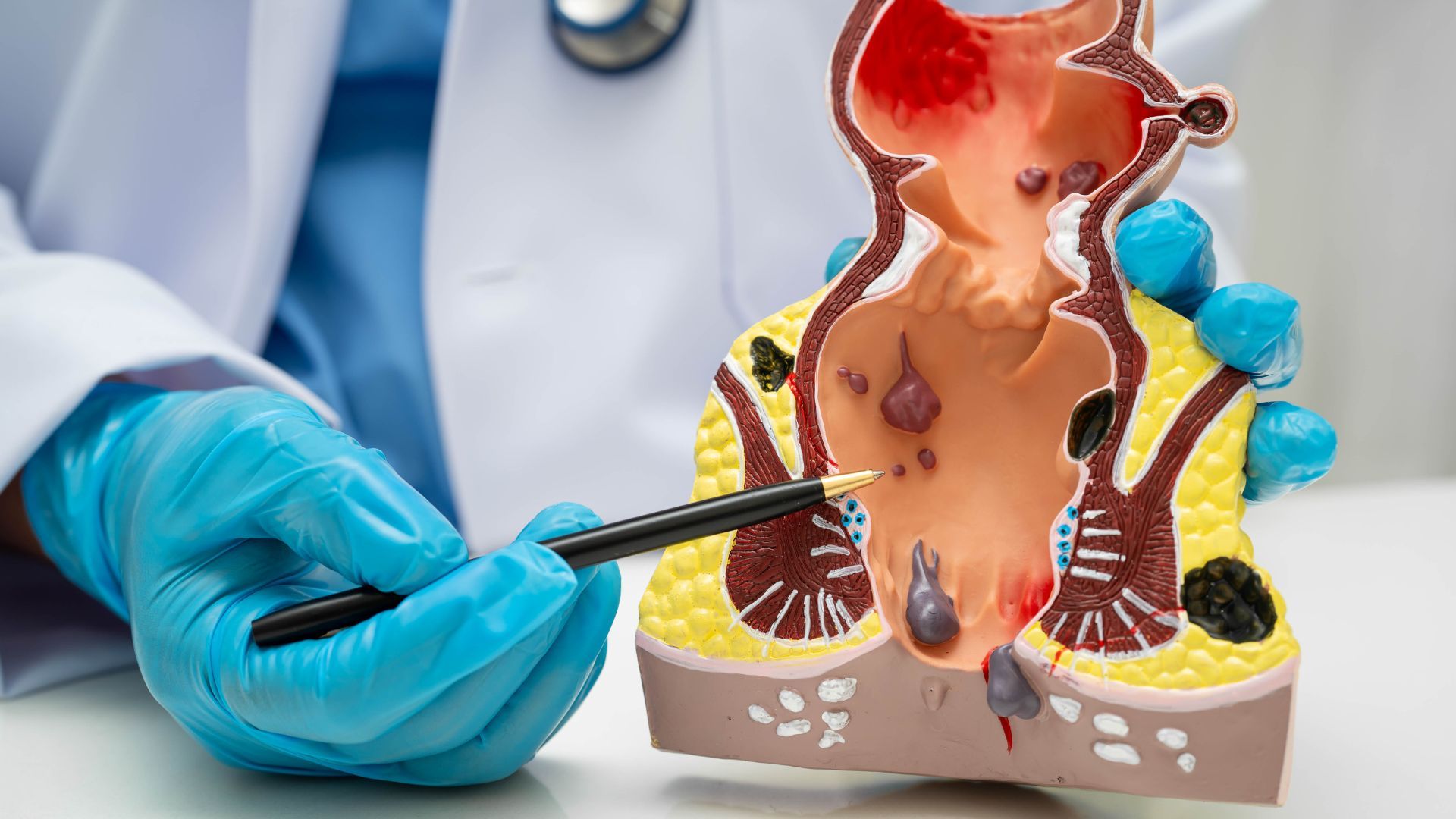
The dentate line, a visible boundary inside the anal canal, separates the internal from the external hemorrhoid territory. This line also separates zones with different nerve and blood supply, which is why the same type of treatment feels totally different depending on which side of this line your hemorrhoid is on.
People with naturally larger or more tortuous rectal veins may see faster progression and need procedural treatment sooner.
Pregnancy dramatically changes pelvic anatomy and blood flow. Hemorrhoids during pregnancy often resolve after delivery with conservative care, without needing procedures.[4]
Obesity increases intra-abdominal pressure, making hemorrhoids harder to manage long-term without addressing weight.
Understanding your own anatomy with your doctor's help helps personalise your treatment, rather than following a generic approach that may not work for your body.
Why Accurate Diagnosis Matters
Many conditions mimic hemorrhoids, including:
Anal fissures
Polyps
Colorectal cancer
Importance of Diagnosis
Prevents mismanagement
Ensures correct treatment
Reduces complications
A proper clinical examination or imaging may be required in some cases.
Choosing the Right Treatment Approach (Product Integration)
Selecting the right treatment depends on multiple factors:
Considerations
Type of hemorrhoid
Severity of symptoms
Patient lifestyle
Medical history
Modern Treatment Support
Advanced medical technologies and minimally invasive solutions now allow:
More precise targeting of hemorrhoids
Reduced recovery time
Improved patient comfort
Innovations in colorectal care are helping clinicians deliver safer and more effective outcomes tailored to individual needs.
Conclusion
Internal and external hemorrhoids look alike but act differently. Internal hemorrhoids respond well to conservative management or minimally invasive techniques, while external hemorrhoids might need targeted therapy owing to their painful nature.
It is important to understand the differences between the two to receive appropriate medical care and avoid potential risks or complications.