
























Treatment Options for Sports Injuries: From Rehabilitation to Surgery
Introduction
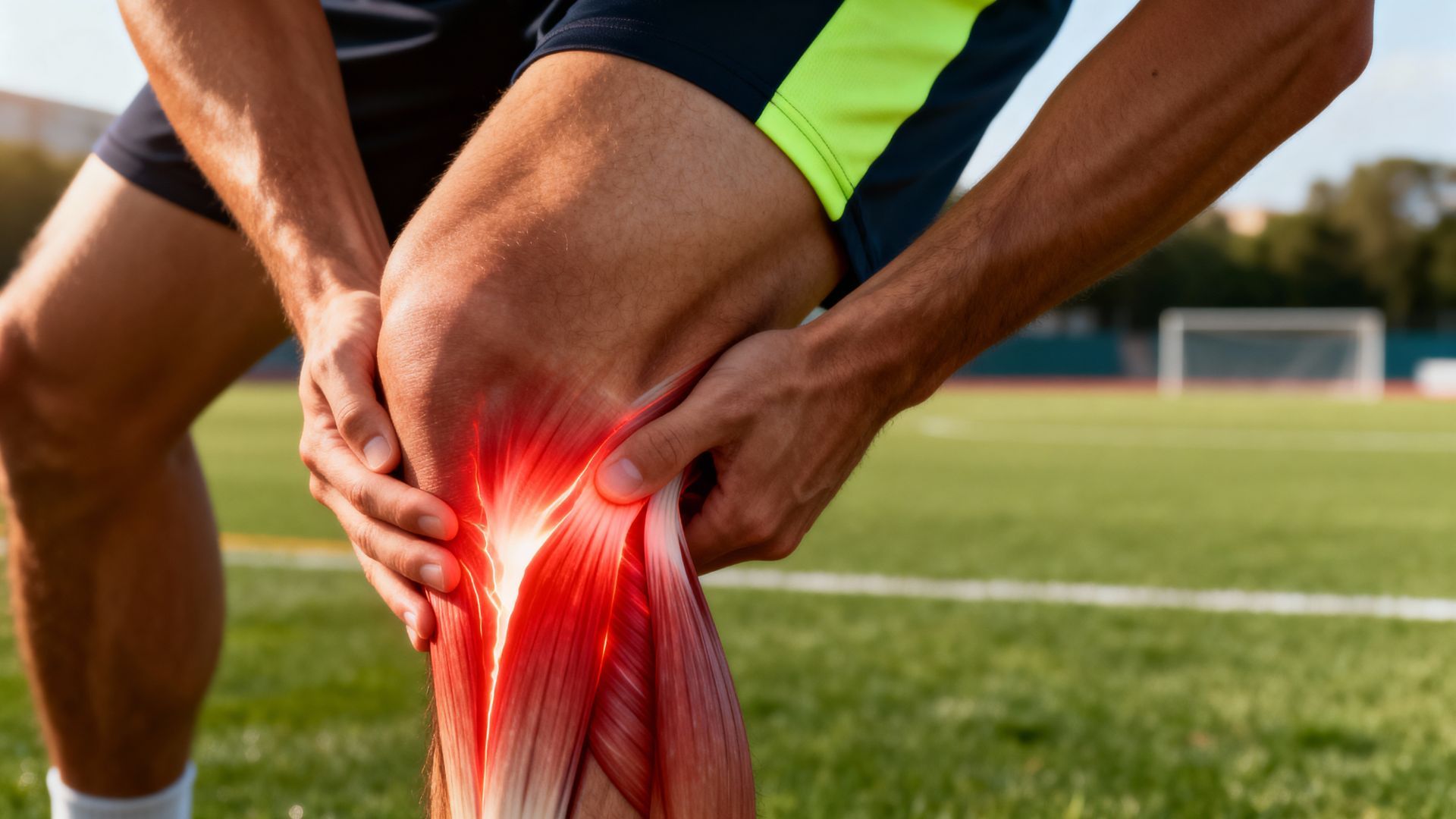
Playing weekend cricket or professional kabaddi, sports injuries are something many players encounter at some point. It could be a sudden ankle twist, a muscle pull while exercising, or repeated joint strain that leads to discomfort affecting daily movement.
Injuries common in sports are generally referred to as sports injuries. Most sports injuries are very treatable. Treatment options for sports injuries range from simple first aid and rehabilitation to advanced therapies and, in some cases, surgery. The aim is to restore function, reduce the pain, and return to sports safely.
Understanding the Nature of Sports Injuries
You should understand what kind of injury you're dealing with. Sports injuries are broadly classified into these two types:
Acute injuries: These happen suddenly, such as fractures, sprains, or dislocations.
Chronic injuries: These develop over time due to repetitive stress, such as tendonitis or stress fractures.
According to a study done by NIAMS, common sports injuries include sprains, strains, fractures, and dislocations. Each type requires a different treatment strategy.[1]
First-Line Response: Immediate Care after Injury
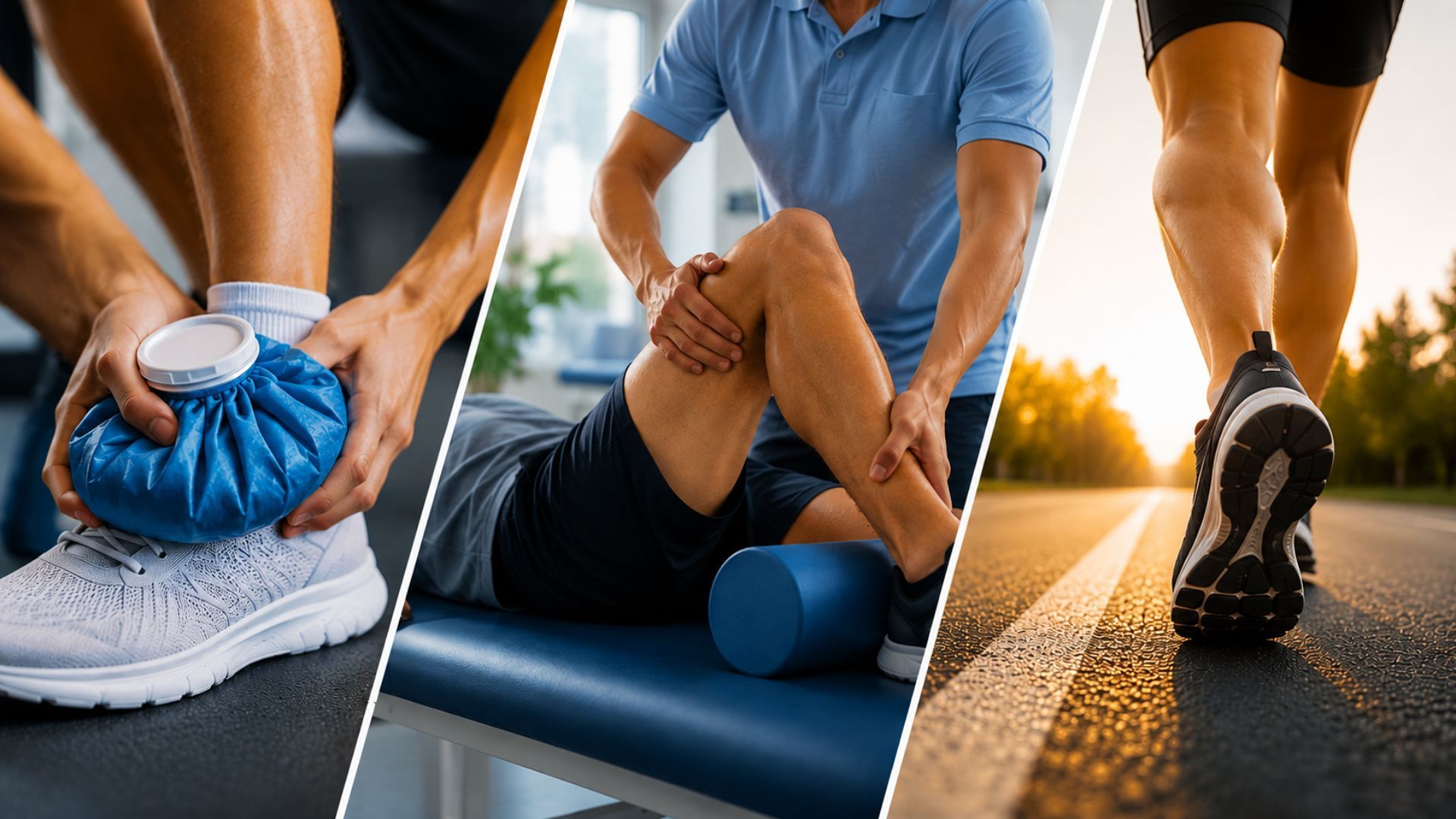
The first response to an injury can help reduce swelling, control pain, and prevent further damage. A widely recommended approach is the R.I.C.E method:
Rest
Ice
Compression
Elevation
Prompt care improves recovery outcomes and may also reduce the need for more intensive treatments later.
For many years, the standard advice was RICE. However, modern sports medicine now recommends an updated approach called POLICE:
Protect the injured area from further harm
Optimal Loading: gentle movement as soon as pain allows
Ice to reduce swelling and pain
Compression by wrapping the area snugly
Elevation: keep the limb raised above heart level
Non-Surgical Treatment: When Conservative Care Is Enough
Many sports injuries are minor and do not need surgery. Conservative treatment focuses on allowing the body to heal itself while giving it support in the meantime.
Common non-surgical approaches for sports injuries include:
Pain management using medications
Rest
Use of braces or supports
Guided physiotherapy
Ice and heat therapy
Research indicates that a significant proportion of soft-tissue injuries respond well to conservative management, especially when treatment begins early.[2]
Role of Physiotherapy and Rehabilitation
Physiotherapy is necessary for recovery from sports injuries. It focuses on restoring strength, flexibility, and function. A physiotherapist may design a personalised program that includes:
Strengthening exercises
Range-of-motion training
Body balance and coordination
Training for return to daily activities
Consistent rehabilitation reduces the risk of re-injury and ensures that you return to your routine safely and confidently.
Advanced Non-Surgical Therapies
When standard physiotherapy alone isn't moving things along, or for stubborn injuries that aren't healing, several advanced non-surgical options are available today.
Some options are:
Platelet-Rich Plasma (PRP) therapy
Shockwave therapy
Ultrasound-guided injections
These treatments are often used for chronic, ongoing conditions, such as tendon injuries or joint pain. While not always the first choice, they can be effective when standard rehabilitation cannot provide complete relief.
Indicators That Surgery May Be Required
Surgery is usually considered when non-surgical treatments cannot provide adequate results or when the injury is severe.
Surgery may be necessary if:
Complete ligament tears
Fractures that require alignment
Joint instability affects movement
Persistent pain despite rehabilitation
A proper medical evaluation, including imaging, can help to determine if surgery is the right option.
Common Surgical Procedures in Sports Injuries
If surgery is recommended, it's helpful to understand what the procedure involves. You can ask your doctors to guide you on how the procedure will take place.
Here are the commonly performed surgeries for sports injuries:
Arthroscopy
Ligament reconstruction
Fracture fixation
Tendon repair
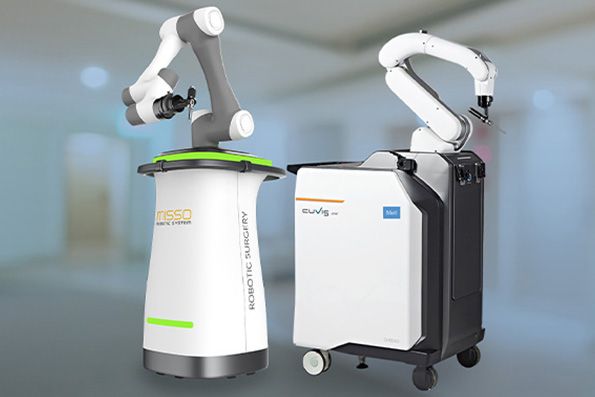
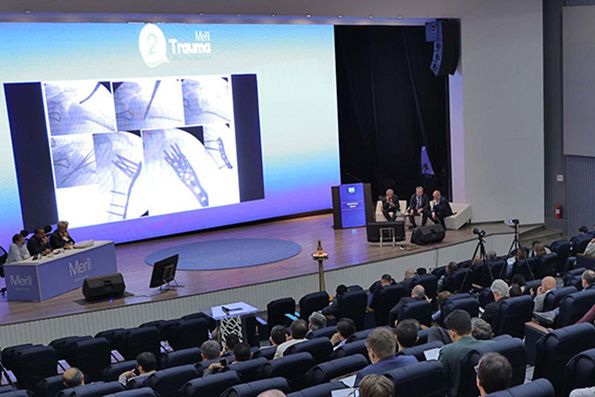
Advancements in surgical technology have made procedures precise.
Conclusion
Sports injuries are an unfortunate part of an active life, but they don't have to mean the end of the road.[3] Whether your injury calls for a few weeks of rest and physiotherapy or a more involved surgical procedure, there is a clear and well-supported path to recovery. The most important factor is timely intervention. When a diagnosis is made early, the right treatment approach can make a difference in how quickly and effectively one recovers.
If there is persistent pain or limited movement after an injury, seeking professional guidance ensures that you receive the most appropriate care.