




















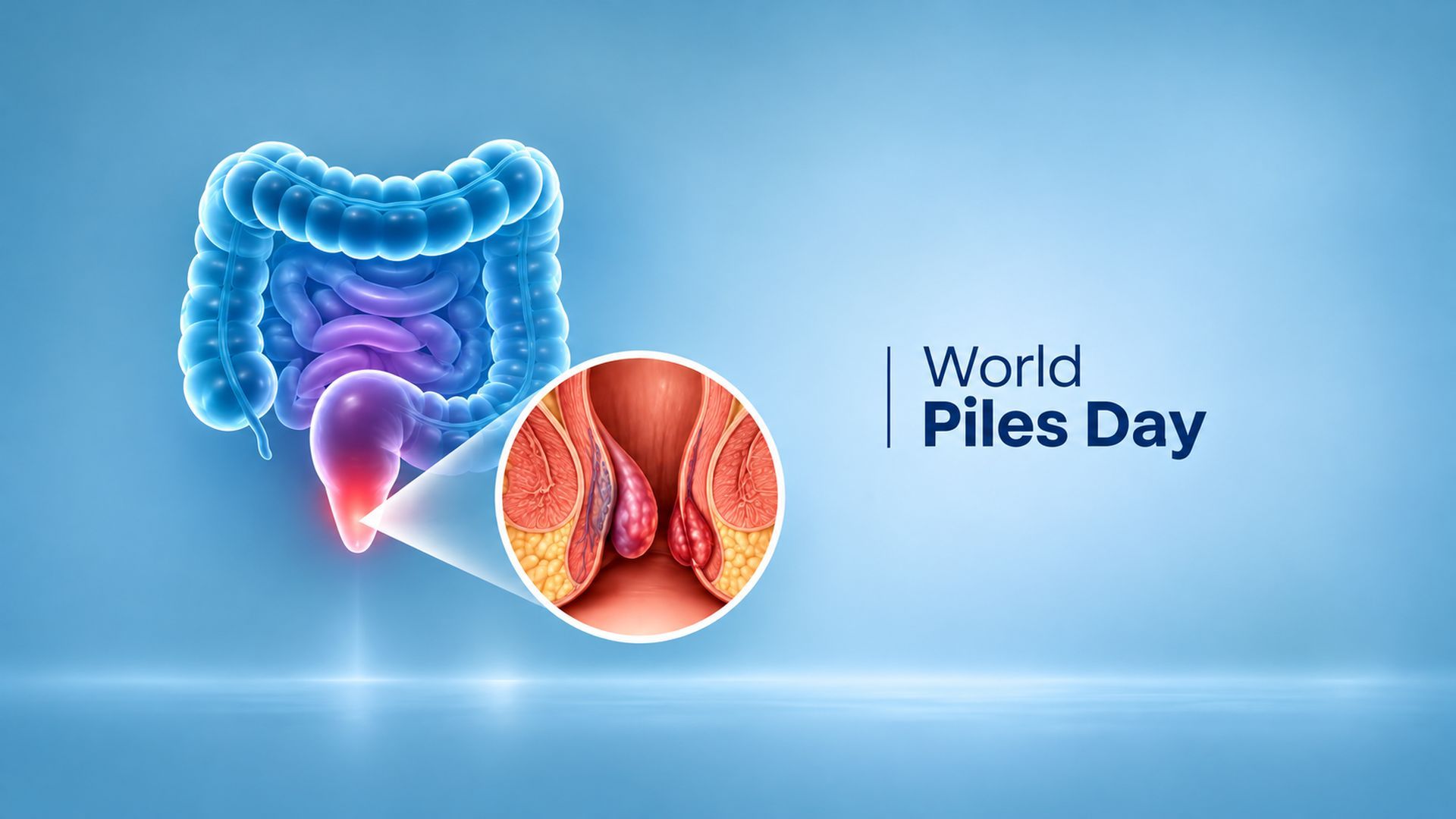
World Piles Day: Raising Awareness about Piles and Their Prevention
Introduction
Piles, also known as hemorrhoids, are a common condition that can cause pain, itching, swelling, and bleeding during bowel movements. Despite how frequently they occur, many people feel uncomfortable discussing these symptoms or seeking medical advice. World Piles Day, observed every year on 20 November, emphasizes the importance of awareness.
The day also encourages people to learn how everyday habits, including dietary choices, water intake, and bowel routines, can influence digestive health. Understanding the available treatment options and making informed lifestyle choices can help people manage symptoms and improve their comfort. By raising awareness about piles, World Piles Day aims to open conversations about this condition and encourage people to prioritise their health without hesitation.
What Is World Piles Day?
World Piles Day is observed every year on 20 November, and in 2026 it falls on a Friday. Clinics, doctors and health organisations use the date for awareness talks and online campaigns, since the topic rarely comes up otherwise. A recent global meta-analysis pooling Indian studies estimated the prevalence of piles in India at 25.34%[1], suggesting that far more people are affected than are willing to discuss it.
What Are Piles?
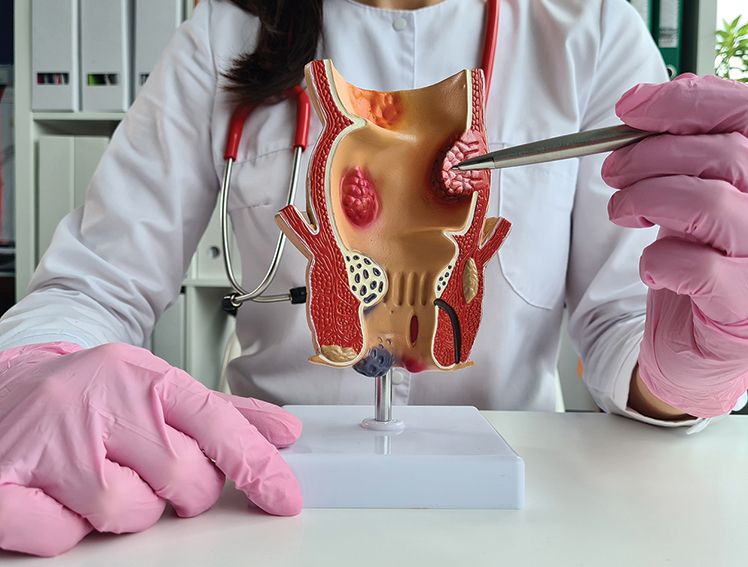
Piles, or hemorrhoids, are swollen veins and tissue in the lower rectum and around the anus. Everyone has soft cushions of this tissue, and they help hold stool in until you are ready to go. Trouble starts when the cushions swell, stretch, or slide downwards, which Indian colorectal surgeons say happens to about half of all people at some point, typically by age 50.[2]
The position of the piles determines their symptoms. Internal hemorrhoids are located higher up, where there are very few pain nerves, so they don't cause pain and usually show up only as bleeding. Whereas external hemorrhoids are around the anus, which is why they itch, ache, and can be felt as a lump.
What Are the Common Symptoms of Piles?
Piles can cause different symptoms depending on their type, size, and severity. Recognising these signs early can help you know when you need medical attention and keep discomfort from affecting your daily routine. Common symptoms to look out for include the following.
Bleeding During or After Bowel Movements
Bleeding is often the first symptom, and the blood is usually bright red, not dark. Common signs include streaks on toilet paper, drops in the toilet bowl, or blood covering the stool. Bleeding is usually painless, and people often treat it as a one-time incident.
Pain, Itching and Irritation
Uncomplicated piles are usually more of a nuisance than a pain. Sharp pain often means something more serious, such as a clot in an external pile or a small tear in the anal skin called a fissure. Itching and a raw, damp feeling are more common, especially when a pile lets mucus leak onto the skin. Scrubbing with harsh soaps usually makes it worse.
Swelling or Lumps around the Anus
A soft, tender bulge at the edge of the anus is often an external pile, and it is most noticeable after straining. Internal piles can drop during a bowel movement and then either retreat on their own or need to be gently pushed back. Some people also feel the bowel hasn't fully emptied, no matter how long they sit. A lump that turns hard, bluish, and very painful needs to be seen quickly.
What Increases the Risk of Developing Piles?
Several everyday habits and health factors can increase the chances of developing piles by putting extra pressure on the blood vessels around the anus and rectum. Understanding these risk factors can help you recognise which habits may need attention and make simple changes to support better bowel health.
Constipation and Straining
Pressure is the common thread behind most piles, and nothing builds it quite like a hard stool. Pushing to pass it forces blood into the anal veins and drags the cushions downwards. Over months, the supporting tissue loosens, and the swelling becomes harder to reverse. Pregnancy, heavy lifting and extra body weight raise the same pressure by other routes.
Low-Fibre Diet and Poor Hydration
Stool consistency is primarily determined by the food that is consumed. Meals comprising refined flour, fried food, and ready-to-eat food, with less consumption of vegetables, pulses, and fruits, result in a lack of bulk to be worked upon by the intestines. In a case-control study from Satara, Maharashtra, 43.8% of individuals with piles reported drinking less water.[3] Hard stools make you strain in the toilet.
Sedentary Lifestyle and Prolonged Sitting
Sitting in an office all day puts constant pressure on your pelvic veins. Even the toilet can add to the issue, since it's easy to get engrossed in reading a phone and keep the veins under pressure. Genetics and age are factors you can't change, but everything else comes down to habits.
How Can You Prevent Piles?
Preventing piles often starts with a few everyday changes that support healthy digestion and regular bowel movements. Focusing on your diet, water intake, physical activity, and toilet habits can help reduce your risk of developing piles.
Eat More Fibre: Include fibre-rich foods such as vegetables, dal, rajma, oats, whole-wheat rotis, sprouts, and fresh fruits in your daily meals. Increase your fibre intake gradually to help soften stools and avoid gas or bloating.
Stay Hydrated: Drink water regularly throughout the day to keep stools soft and make bowel movements easier. You can also include fluids such as buttermilk, coconut water, and soups as part of your daily routine.
Stay Physically Active: Activities such as brisk walking, cycling, swimming, and yoga can support healthy digestion and regular bowel movements. If you spend long hours sitting at work, take short breaks to stand, stretch, or walk around.
Avoid Straining and Prolonged Sitting on the Toilet: Respond to the urge to pass stool rather than delaying it, and avoid spending too much time on the toilet. Using a small footstool to raise your knees above your hips may also make bowel movements more comfortable.
Understanding Diagnosis and Treatment Options
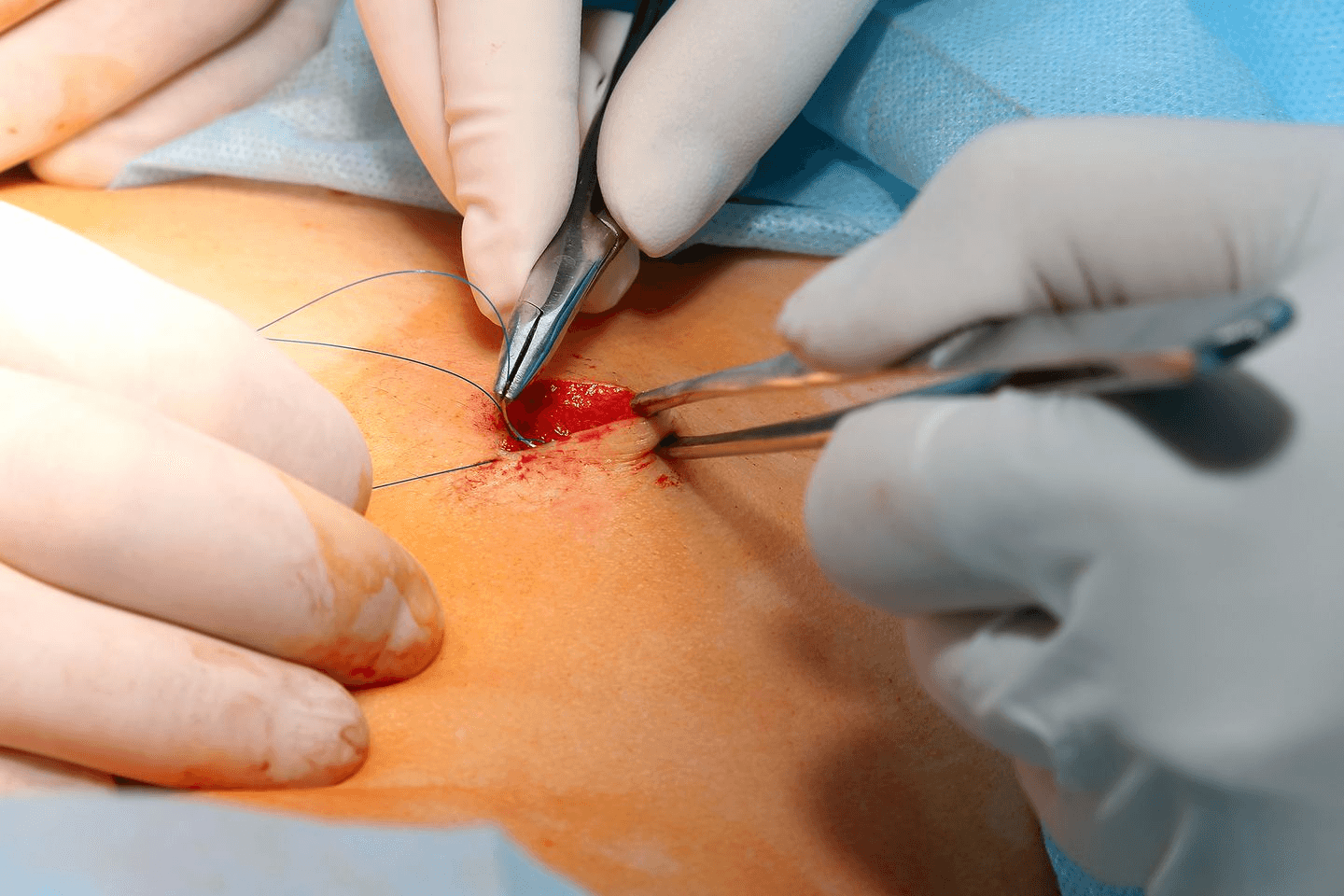
The consultation is shorter and less daunting than most people expect. The doctor will ask about your bowel habits and diet, and then examine the area, often with a proctoscopy, which is a brief look inside the lower rectum with a small, lit tube. Early piles usually settle with fibre, fluids and sensible toilet habits, while persistent ones can be treated in the clinic with procedures such as rubber band ligation. Surgery is reserved for advanced cases, and steroid creams should not be used for long stretches without supervision.
When Should You See a Doctor for Piles?
While mild piles symptoms may sometimes improve with lifestyle changes, certain signs need medical attention. Knowing when to consult a doctor can help identify the cause, rule out other conditions, and ensure you get the right treatment, especially if the discomfort continues or worsens.