





















Global Handwashing Day 2026: How Handwashing Prevents Disease
Introduction
We touch countless things throughout the day, from phones and door handles to lift buttons, desks, and shopping baskets. Germs can transfer to our hands during these routine interactions and then reach food, household surfaces, or our eyes, nose, and mouth.
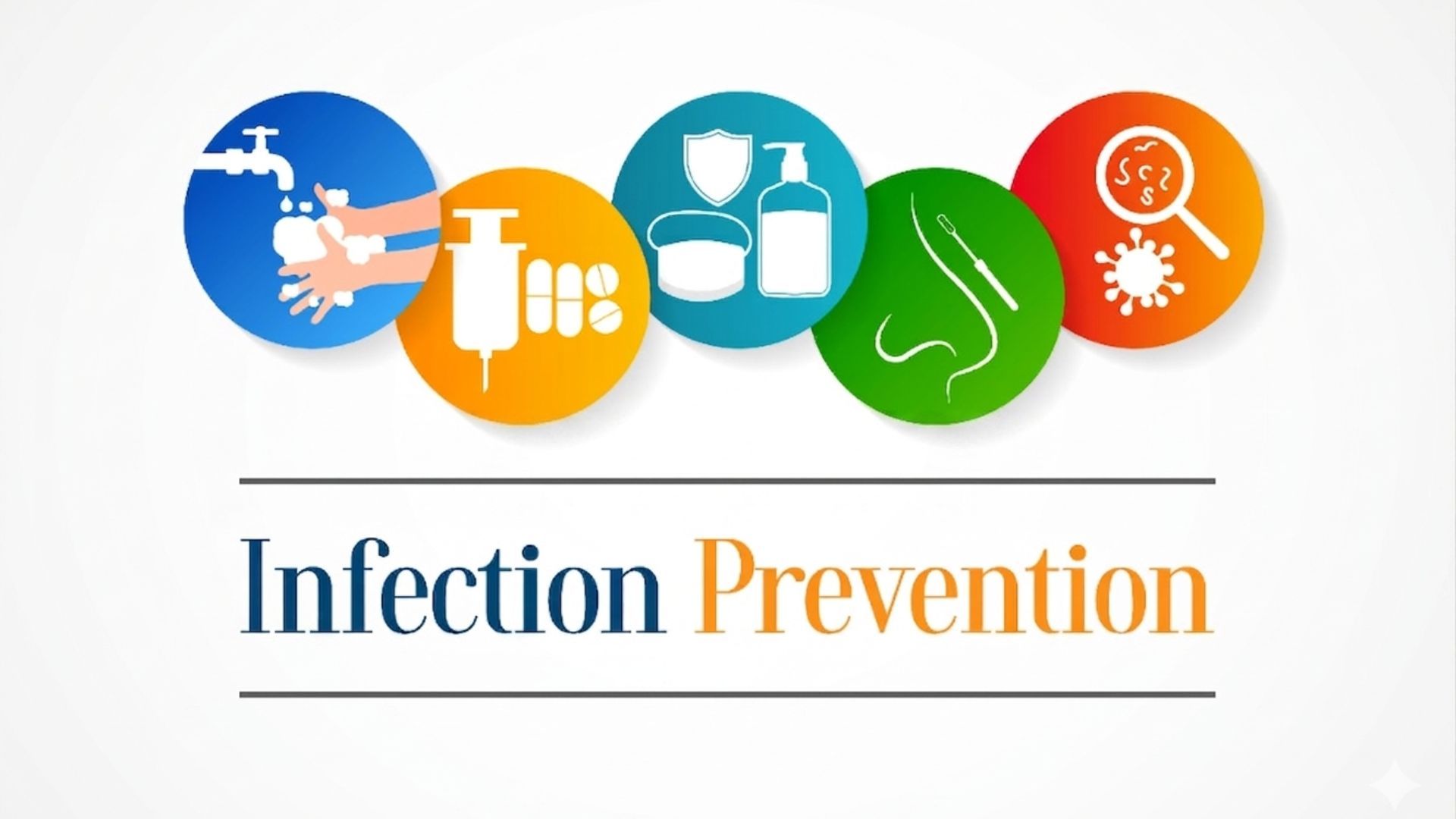
Handwashing with soap is one of the simplest ways to interrupt this chain. It does not require specialised equipment. Clean running water, soap, and proper washing technique can remove many microorganisms before they spread further.
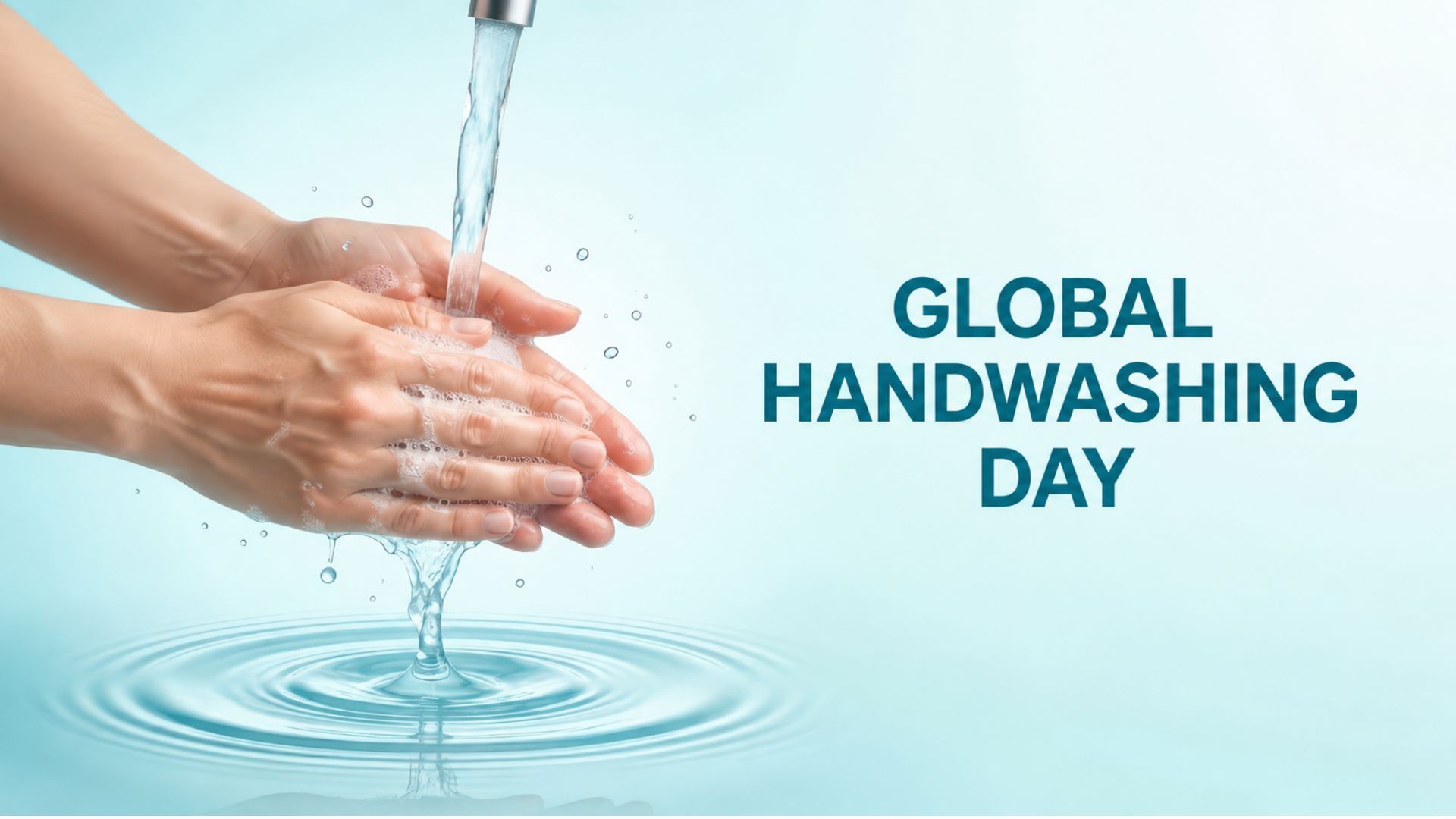
Global Handwashing Day is celebrated every year on October 15 and highlights this everyday habit and its role in preventing infectious diseases.
What Is Global Handwashing Day?
Global Handwashing Day began in 2008 and is observed every year on 15 October. It is part of a wider effort to improve water, sanitation and hygiene. In India, initiatives such as the Swachh Bharat Mission and Jal Jeevan Mission also support this broader goal by improving access to sanitation and clean water, both of which are essential for effective hand hygiene.
Schools, anganwadis, hospitals and municipal health departments typically use the day for demonstrations, handwashing stations and short classroom sessions timed around the mid-day meal. The format stays deliberately simple.
The Theme: What Being a “Handwashing Hero” Actually Means
The theme for Global Handwashing Day is “Be a Handwashing Hero.” The campaign encourages people to make hand hygiene part of their everyday routine rather than treating it as something to remember only during an outbreak.
Being an effective hand washer is as simple as washing your hands before cooking, encouraging kids to wash their hands after using the bathroom, placing soap near the common basin, or washing hands after returning from a crowded public place. The aim is to turn a health recommendation into a habit.
The Real Impact of Handwashing with Soap
Germs can be transported from dirty surfaces to food and then into the mouth via the hands. Soap helps loosen germs, dirt, and oils from the skin.
Proper hand hygiene may help curb the spread of gastrointestinal, respiratory, and hospital-acquired infections. According to UNICEF, proper handwashing with soap is necessary to combat diseases such as diarrhoea and pneumonia.
In 2019-21, 70.8 percent of the total Indian population had access to handwashing facilities with water and soap available, while 26.3 percent had access to handwashing facilities without water or soap.[1]
Preventing Diarrhoeal Diseases and Respiratory Infections
For diarrhoeal diseases, contaminated hands can transfer germs to food or drinking water after using the toilet or cleaning a child.
Hands can also contribute to the transmission of respiratory infections. Microorganisms deposited on surfaces may be picked up and transferred when a person touches their nose, mouth or eyes.
UNICEF India estimates that handwashing with soap at five critical times can reduce diarrhoeal disease by 47% and respiratory infections by 23%.[2]
These important moments include after using the toilet, after handling a child’s faeces, before feeding a child, before eating and before preparing food.
Why Soap Works and How to Wash Your Hands Correctly
Wet your hands with clean water, then apply soap. Rub palms together, and then clean the backs of your hands, the spaces between your fingers, thumbs, nail tips, and fingertips. Do these for at least 20 seconds, then wash your hands and dry them with a clean towel.
A quick splash of water is not enough. Rubbing helps loosen microorganisms from the skin, while rinsing removes them.
The Science behind Handwashing
Soap molecules have one end that interacts with water and another that interacts with oils and grease. This helps break up substances that allow microorganisms to remain on the skin.
Rubbing also physically lifts contaminants from the hands. Water then carries them away. This is why applying soap and immediately rinsing is less effective than washing thoroughly.
Common Mistakes to Avoid
Some common mistakes include:
- Washing for only a few seconds.
- Using water without soap when soap is available.
- Missing the thumbs, fingertips, and spaces between the fingers.
- Touching a dirty tap immediately after washing.
- Drying hands on a visibly dirty cloth.
- Assuming gloves removes the need for hand hygiene.
- Washing only when hands look dirty.
- Hands do not need to look dirty to carry infectious organisms.
Soap and Water vs. Hand Sanitiser: When to Use Which
Soap and Water | Hand Sanitiser |
Best when hands are visibly dirty or greasy. | Useful when soap and water are unavailable. |
Removes dirt, grease and germs from the hands. | Reduces many types of germs without water. |
Preferred after using the toilet and before preparing or eating food. | Convenient while travelling or in public places. |
Requires clean running water and soap. | Easy to carry and use anywhere. |
Wash for at least 20 seconds. | Rub over all hand surfaces until dry. |
Preferred after contact with certain chemicals or bodily fluids. | Less effective on visibly dirty or greasy hands. |
How You Can Be a Handwashing Hero Every Day
The simplest approach is to connect handwashing with habits that already form part of your day.
Wash your hands before eating and food preparation; after visiting the washroom; after cleaning up waste; after caring for a sick individual; and after returning from public places.
Keep soap within easy reach. Children are more likely to develop the habit when adults demonstrate it consistently.
Schools, workplaces and healthcare facilities can also support better hand hygiene by keeping washing stations functional and ensuring soap is available. Access remains uneven in India. NFHS-5 found basic handwashing facilities in 89% of urban settings compared with 68.2% of rural settings.[3]
Global Handwashing Day is therefore not only about October 15. The real value lies in carrying the habit into every ordinary day that follows.
Conclusion
Handwashing is easy to overlook because it is such a routine part of daily life. Yet proper hand hygiene can stop germs from moving from hands to food, faces, surfaces and other people.
Global Handwashing Day offers an opportunity to examine how hand hygiene is practised and whether people have access to the soap and water needed to do it properly. At home, at school, at work, or in healthcare settings, making handwashing routine can help reduce the spread of preventable infections.