




















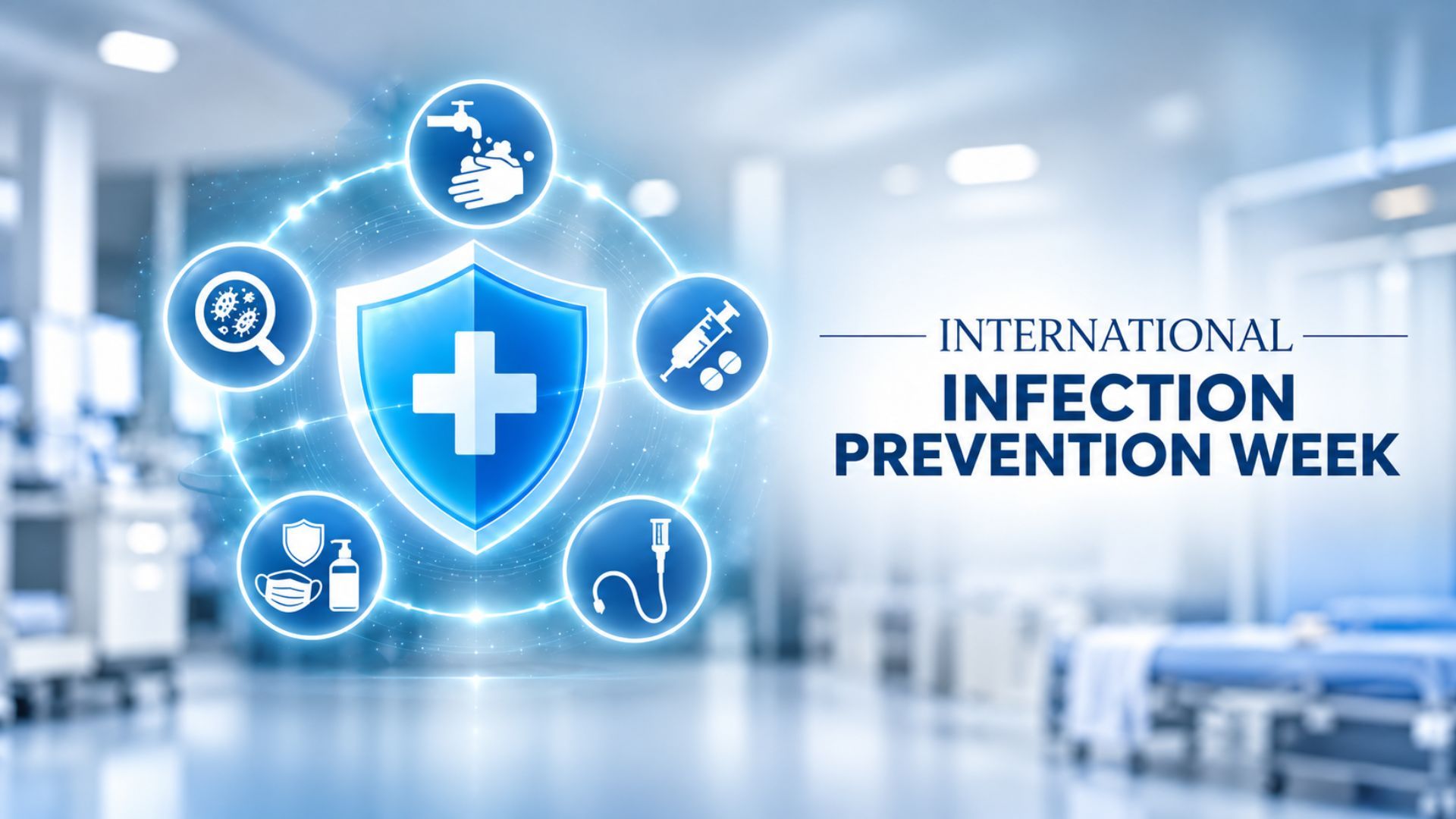
International Infection Prevention Week: Why Infection Prevention Matters for Sustainable Healthcare
Introduction
International Infection Prevention Week rolls around and quietly reminds us of something we don't think about enough: preventing infection protects everyone, not just the person in the hospital bed. The 2026 theme, “Generations of Infection Prevention | Past. Present. Protected,” runs from 19–25 October. It's a nod to how far prevention practices have come, and how much further they still need to go.[1]
Infection prevention isn't really a checklist you tick off just once. It is a journey that quietly shapes how patients recover, and whether a health system can keep up with demand.
Why Infection Prevention Is a Healthcare Priority
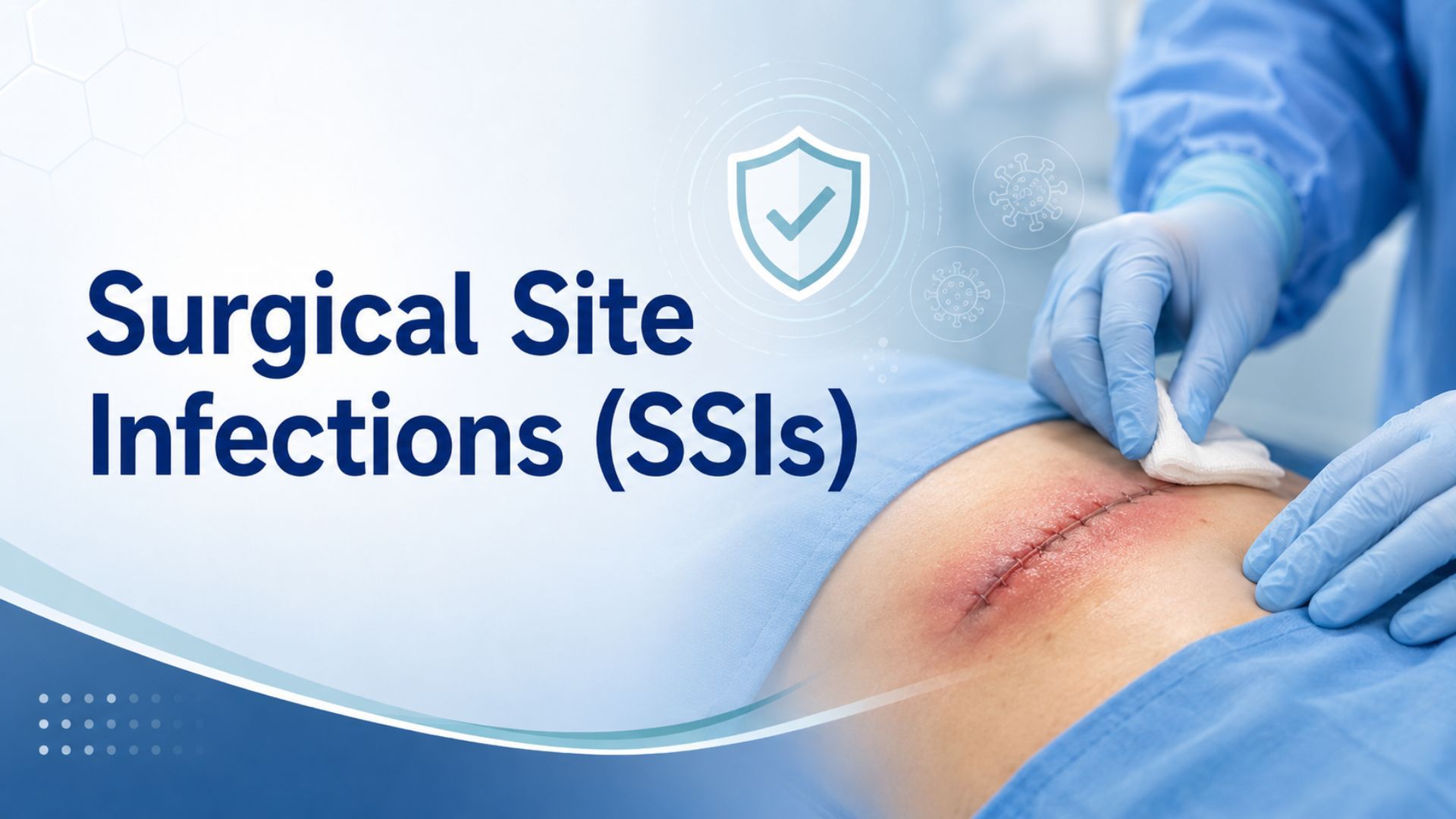
Infections picked up during hospital care, known as healthcare-associated infections or HAIs, are still a real problem, and not a rare one. In India, HAIs show up across hospitals fairly often, and device-related infections in intensive care units are notably higher than international benchmarks.[2]
Why does this deserve attention? A few reasons stand out. Every infection prevented is a patient spared unnecessary risk. Fewer infections usually mean quicker recoveries and fewer complications. There's also the antibiotic angle: fewer infections mean less antibiotic use, which helps slow drug resistance. And a hospital that's visibly serious about prevention tends to earn more trust from the people it treats.
Put simply, infection prevention protects patients before treatment has even properly begun.
How Healthcare-Associated Infections Affect Patients and Healthcare Systems
An HAI rarely stays contained to one patient. It tends to ripple outward, putting pressure on hospital resources and the teams running them.
Impact Area | What Typically Happens |
Patient | Longer recovery time, added discomfort, risk of complications |
Hospital resources | Extended bed occupancy, higher workload for care teams |
Healthcare costs | Additional treatment, diagnostics, and medication |
Antimicrobial resistance | Increased antibiotic use, contributes to resistant infections |
Because the fallout affects so many areas at once, it helps to think of infection prevention as a system-wide priority rather than something confined to a single ward or department.
The Role of Infection Prevention in Sustainable Healthcare
Sustainability in healthcare is frequently associated with its environmental aspects. In reality, sustainability is the development of an efficient, cost-effective, and safe system that can function effectively over time.
Infection prevention measures can be regarded as sustainable actions because they help reduce the number of extra days spent in hospitals, making it possible to use fewer resources, such as available hospital beds and staff time, which can sometimes be scarce. In addition, these measures minimize the excessive use of antibiotics, which have become increasingly scarce resources. Devices designed with infection risk in mind, materials that resist bacterial build-up, for instance, are becoming a bigger part of this picture. They help clinicians tackle risk at the source instead of just managing it once it shows up.
Key Practices That Help Prevent Infections in Healthcare Settings
Most infection prevention isn't complicated. It comes down to a handful of everyday actions, done properly and done often.
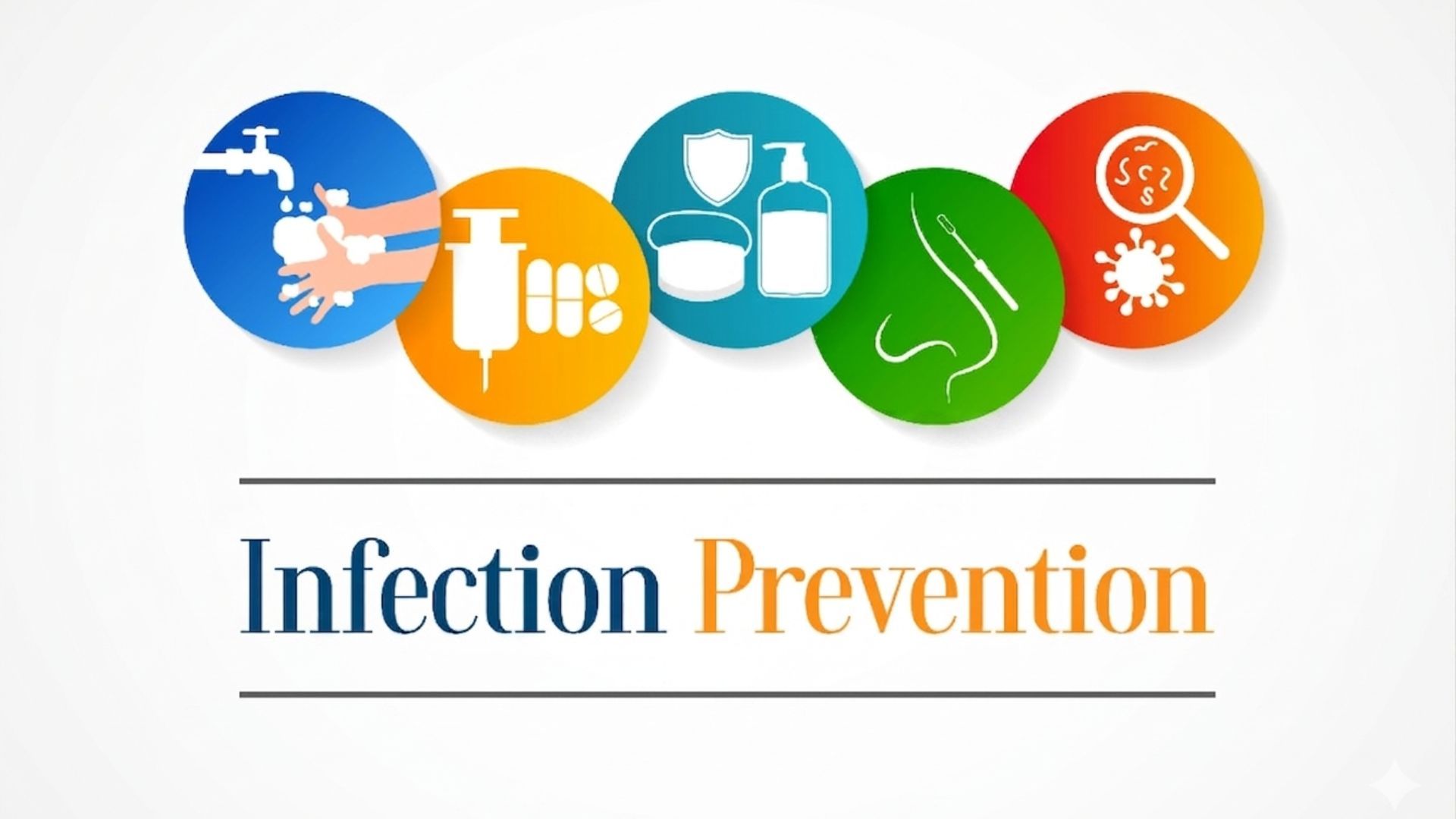
Washing hands before and after every single patient interaction
Wearing personal protective equipment (PPE) the right way, not just wearing it
Sterilising instruments and disinfecting surfaces
Handling and maintaining devices like catheters with care
Using antibiotics responsibly, based on need
Keeping up ongoing surveillance so patterns are caught early
None of this is new information. What makes the difference is whether everyone follows it consistently, every single time, not just when someone's watching.
How Technology and Innovation Can Strengthen Infection Prevention
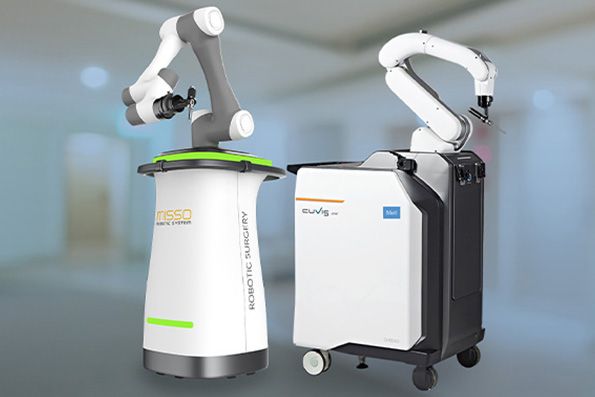
Technology has advanced in ways that support infection control, but it complements, not replaces, normal practice.
Technologies for digital monitoring of infection patterns before their spread
Materials in medical devices that prevent microbial growth
Single-use infection-conscious devices when appropriate
Monitoring in risky locations like ICUs
None of these technologies eliminates the importance of hand hygiene and sterility in the treatment process. These technologies offer an additional layer of security, especially where risks are high.
Building a Safer and More Sustainable Healthcare System
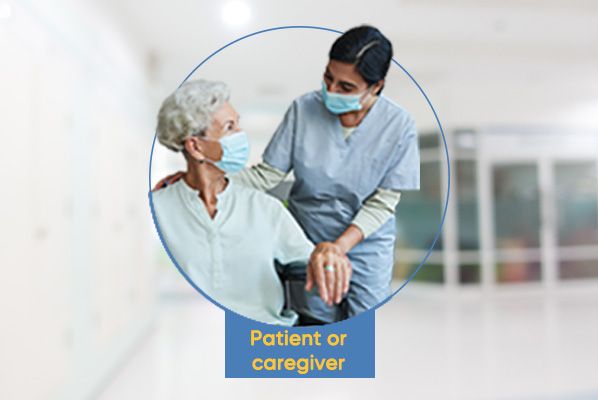
Infection prevention does not work well when it is left solely to one department; rather, it requires coordination throughout the entire system, with everyone working together towards a common goal: top leadership within hospitals providing infection prevention protocols that are consistently followed by the front-line staff, design of equipment taking infection risks into account, and patients being aware of their care.
This is precisely what this year’s IIPW theme also means in essence: infection prevention as an ongoing process that is handed down from one generation to the next.
Conclusion
Infection prevention was never meant to be a one-off initiative. It's an ongoing, collective work that protects patients, keeps healthcare systems functioning, and helps build a more sustainable future for care.
This International Infection Prevention Week is a good moment to remember something fairly simple: small, consistent actions, carried out by everyone involved, add up to safer healthcare for all of us.