























Types of Fractures and How They Are Treated: A Complete Guide
Introduction
Fractures are classified based on factors such as fracture pattern, location, displacement, and injury to the overlying skin. This classification is crucial because it decides the treatment method, whether conservative or surgical, that needs to be adopted by the clinician. We shall take a closer look at the various types of fractures, the reasons why a physician adopts a particular treatment method, and the prognosis for each category.
Common Types of Fractures Explained
Doctors classify fractures by how the bone broke, not only where. The pattern of the break often tells a surgeon as much as an X-ray does about how urgently it needs attention.
Closed fracture (simple fracture): The bone breaks, but the skin over it remains intact.
Open fracture (compound fracture): The broken bone pierces the skin, increasing the risk of infection and usually requiring prompt surgical repair.
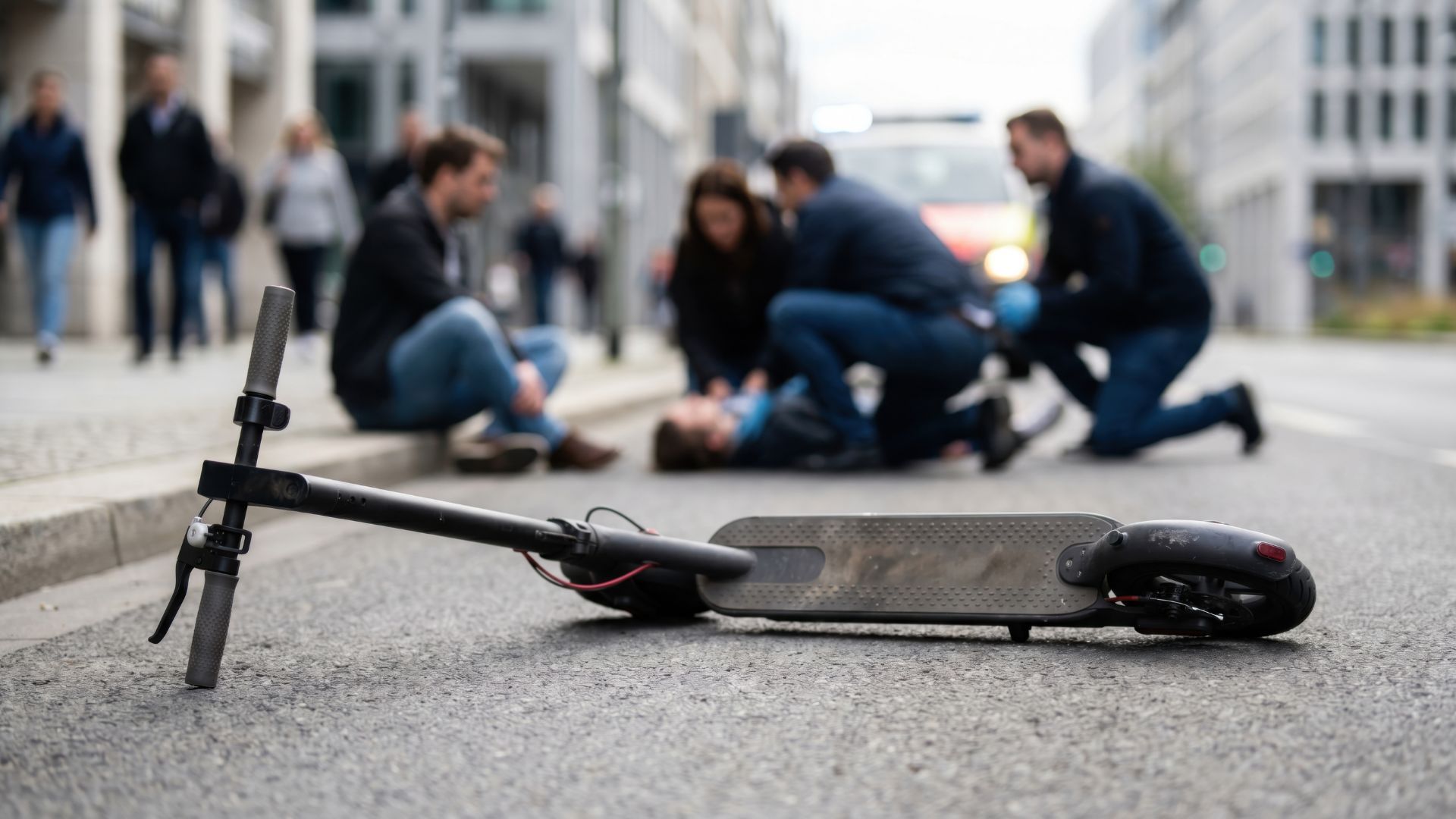
Comminuted fracture: It is when the bone shatters into three or more pieces, typically from a high-impact injury such as a road accident or a fall from height.
Transverse fracture: The break runs in a straight line across the bone.
Oblique fracture: The break line runs at a slant across the bone.
Spiral fracture: The bone twists apart, usually from a rotational force, such as that from a sporting injury.
Greenstick fracture: It is seen mostly in children, where the bone bends and cracks on one side without breaking all the way through.
Stress fracture: A fine hairline crack that develops from repeated strain, often seen in runners and athletes.
Fracture patterns in India carry something of their own signature. A review of 3,000 patients at a major Mumbai trauma centre found that road traffic accidents caused close to half of all fractures, with the proximal femur being the single most affected site, followed by the forearm and shinbone.[1] Separately, hip fractures among Indians above the age of 50 are estimated at over 120 cases per 100,000 people each year, with women affected more often than men.[2]
How Doctors Decide on Treatment
Two fractures that look similar on an X-ray can still need very different care. Before recommending a course of treatment, an orthopedic doctor usually weighs several factors together rather than any single one in isolation.
Factor | Why It Matters |
Location of the fracture | Weight-bearing bones like the femur usually need firmer stabilization than a finger or toe. |
Displacement | If the broken ends have shifted out of alignment, they may need to be manually or surgically repositioned. |
Open vs. closed | Open fractures require urgent attention to prevent infection at the wound site, whereas closed fractures do not involve a break in the skin. |
Age and bone health | Children generally heal faster than adults, while osteoporosis can slow healing in older patients. |
Joint involvement | Fractures that extend into a joint carry a higher risk of stiffness or arthritis later on. |
Overall health and habits | Conditions like diabetes, along with smoking and nutrition, all influence how well a fracture heals. |
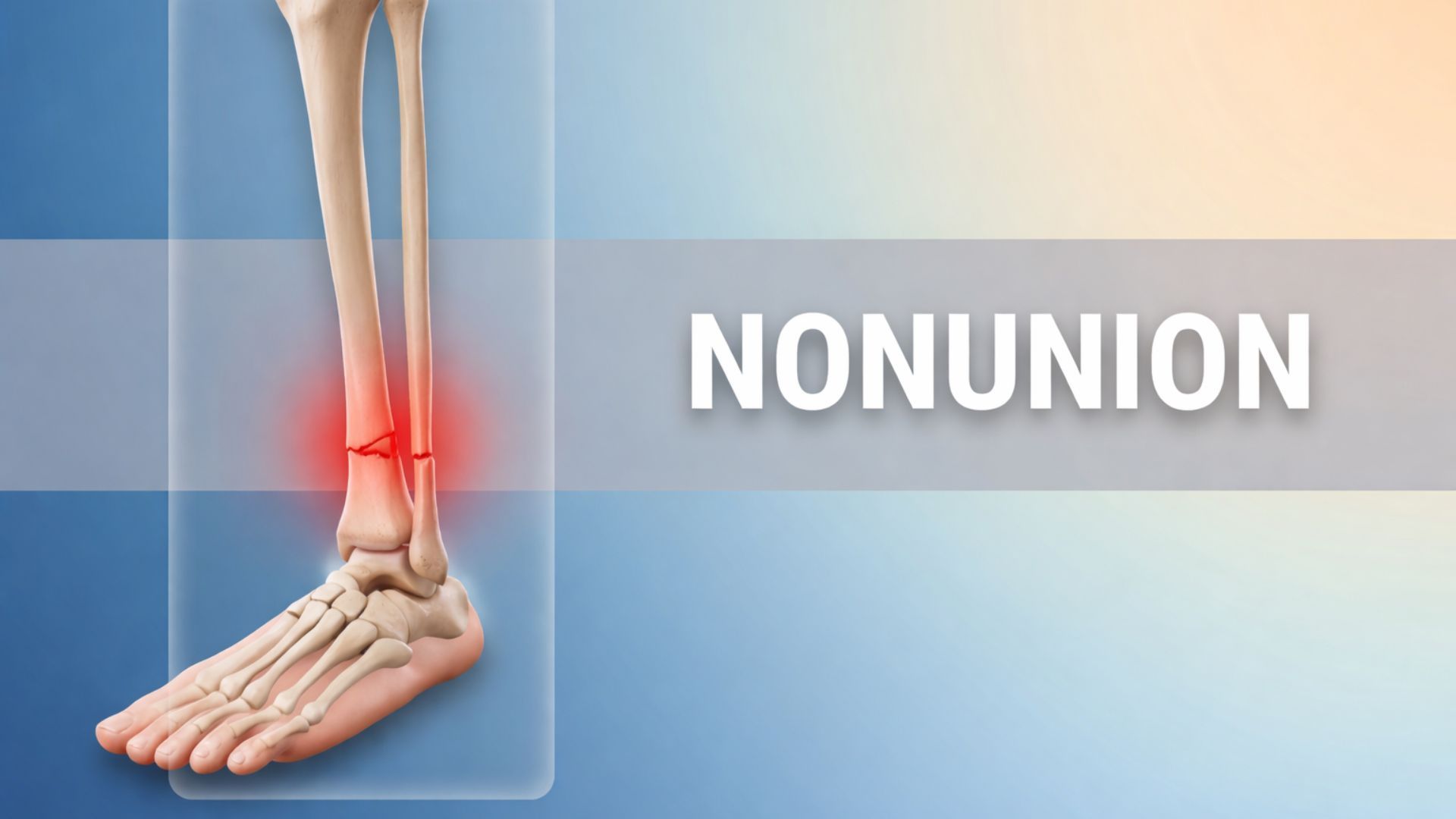
Doctors also track how a fracture heals over time, adjusting follow-up visits and imaging based on early progress rather than on a fixed schedule alone.
Non-Surgical Treatment Options
Many fractures, especially those that are stable and nondisplaced, heal well without surgery.
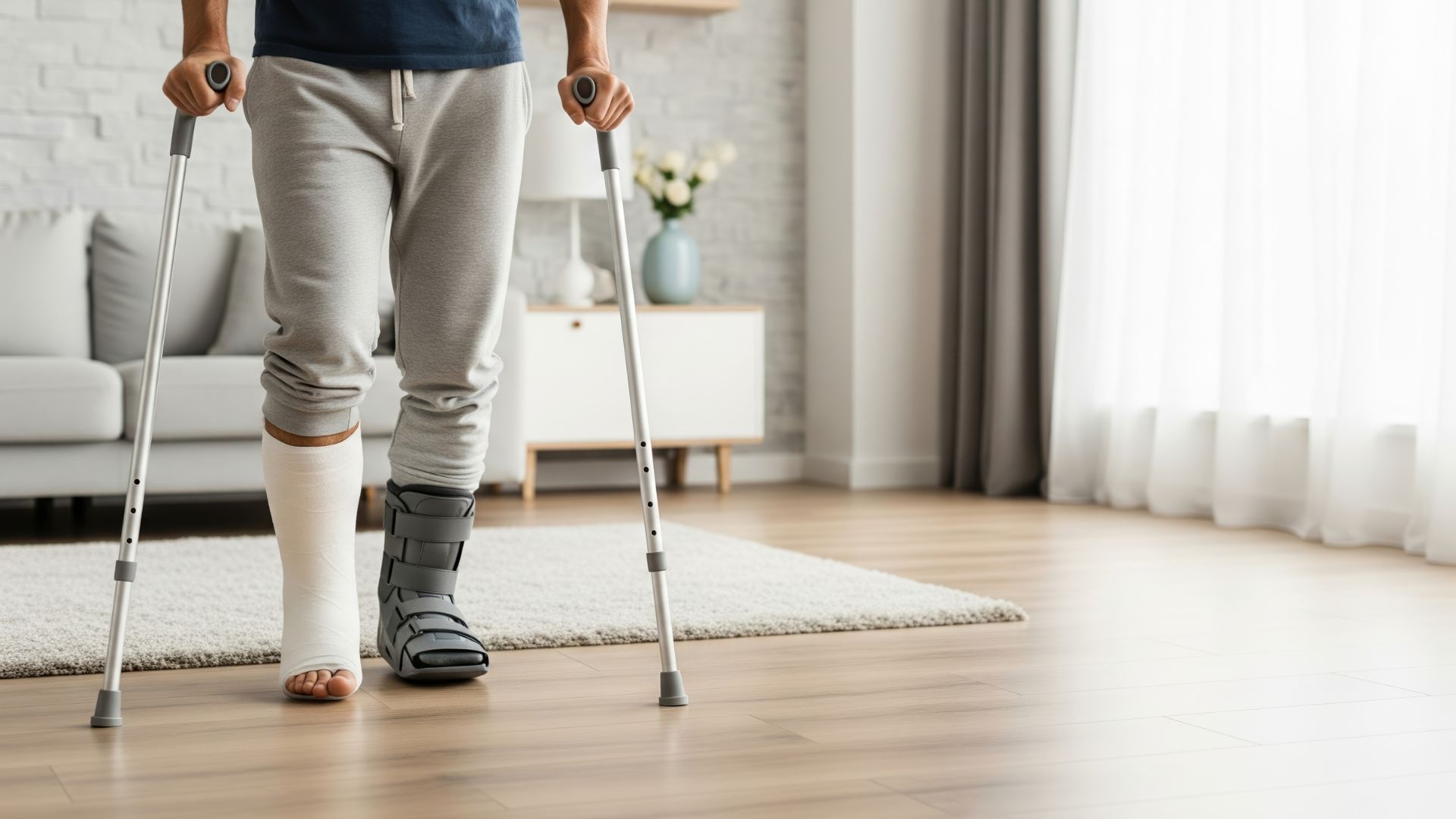
Immobilisation: A splint or cast holds the bone still while it knits back together. Splints are usually worn for three to five weeks, and casts for six to eight weeks.
Closed reduction: For a displaced fracture, a doctor manually realigns the bone from outside the body, usually with sedation or local anaesthesia, before applying a cast.
Functional bracing: This is a mouldable, removable brace. It helps treat certain stable fractures, allowing some joint movement during healing.
Traction: A gentle, steady pulling action used to align bones.
When Surgical Fixation Is Needed
Some fractures cannot be held in place by a cast alone. Surgery generally becomes necessary when the break is unstable, badly displaced, involves a joint surface, or the bone has broken through the skin.”
ORIF (open reduction and internal fixation): The surgeon realigns the bone pieces and fixes them internally using plates, screws, or other fixation devices.
External fixation: Pins or screws are inserted into the bone above and below the fracture through the skin and connected to an external frame, usually a preliminary measure to internal fixation.
Intramedullary nailing: A metal nail is inserted into the medullary canal of a long bone to stabilize the fracture, typically for fractures of the femur and tibia.
Bone grafting: Bone grafting is a surgical procedure that places new bone or replacement material into spaces where bone is missing, damaged, or weak.
Joint replacement: Used when a fracture has badly damaged the surfaces inside a joint, most often seen in elderly hip fractures.
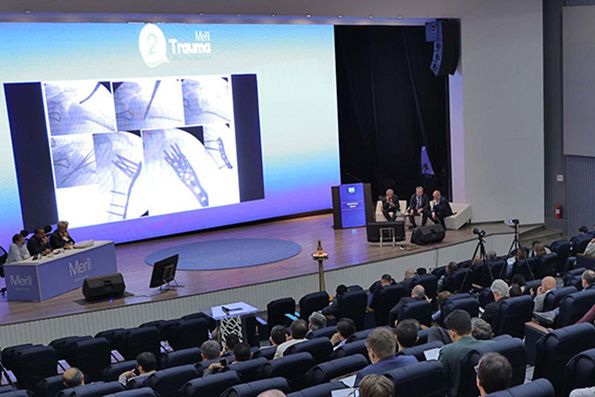
Implant design has a real bearing on how well fixation surgery holds up over time. Meril's Auric range of trauma plates and screws is one such system, built with pre-contoured designs meant to fit natural bone anatomy more closely and reduce the need for reshaping during surgery. Your operating surgeon is the right person to discuss whether a specific implant system suits your fracture.
Recovery Timeline by Fracture Type
Recovery time depends on the bone involved, the treatment used, and the person's overall health. The ranges below are general guides rather than guarantees.
Fracture Type | Common Treatment | Approximate Healing Time |
Wrist or forearm (non-displaced) | Cast | 6 to 8 weeks |
Stress fracture | Rest, activity modification | 4 to 8 weeks |
Ankle (stable) | Cast or walking boot | About 6 weeks |
Hip or femur (surgical) | Surgical fixation, physiotherapy | 3 to 6 months for functional recovery |
Open (compound) fracture | Surgery, infection monitoring | 3 to 6 months or longer |
Comminuted fracture | Surgical fixation, extended rehab | 4 to 8 months |
Full bone remodelling, especially after larger fractures, can continue quietly for a year or more, even once a patient has returned to normal activity. Physiotherapy plays a meaningful role at every stage, helping restore strength and range of motion lost during immobilization.